

Rain-revived Wadi Ayouj Northern Borders attracts visitors as landscapes flourish
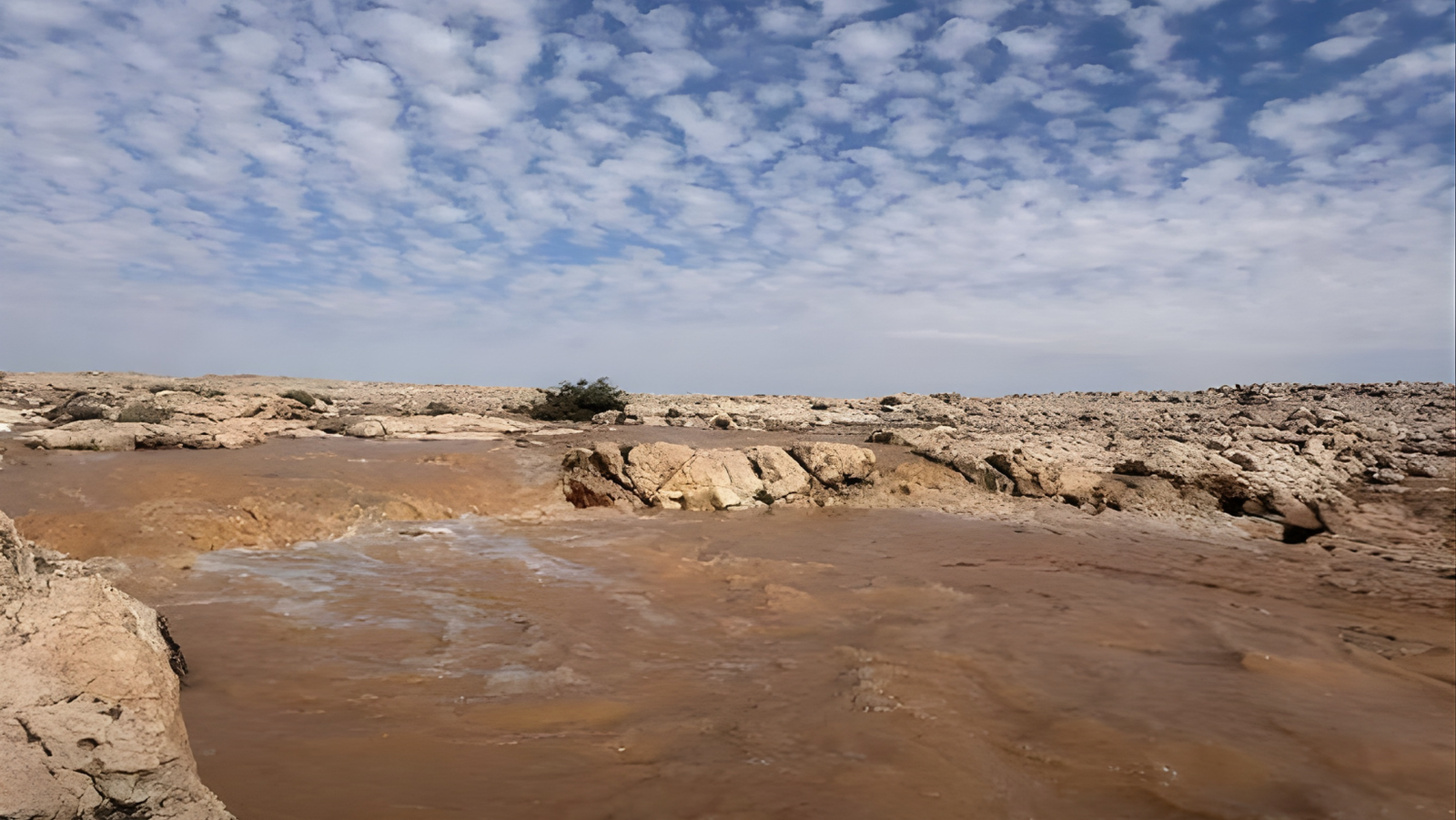
Wadi Ayouj transformed by recent rainfall
Rain-revived Wadi Ayouj Northern Borders has become a major attraction for residents and tourists following recent moderate to heavy rains that swept across Saudi Arabia’s Northern Borders region. The rainfall significantly increased the wadi’s water flow, reactivating ancient tributaries and expanding the course of the river. This natural transformation has brought lush greenery and a striking revival to the surrounding landscapes.
Picnickers, photographers, and nature enthusiasts have flocked to the banks of Wadi Ayouj to witness this rare spectacle. The flowing waters, vibrant flora, and rejuvenated terrain are attracting attention from across the region, highlighting Wadi Ayouj’s growing prominence as a key ecotourism destination.
Authorities have urged visitors to exercise caution while exploring the area due to swift water currents and the occasional unstable riverbanks. Despite these precautions, the surge in visitors underscores the wadi’s appeal and its significance as a natural heritage site in the Northern Borders.
Overflow of Wadi Ayouj Dam adds to scenic allure
The increased water flow caused the overflow of Wadi Ayouj Dam, which spans 365 meters in length, stands 4 meters high, and has a storage capacity of over 251,000 cubic meters. The dramatic overflow has become a visual highlight for visitors, providing stunning photography opportunities and emphasizing the dam’s crucial role in managing water resources.
Local authorities and emergency teams were quick to respond, ensuring the safety of workers and visitors, and monitoring water levels to prevent accidents. The event demonstrates both the power of nature and the importance of infrastructure in controlling and preserving the region’s water resources.
The dam’s overflow has not only created a spectacular scene but also contributed to the ecological revival of the surrounding area. Wetlands and tributaries that had been dry for months have once again filled with water, supporting the resurgence of flora and attracting local wildlife back to the habitat.
Northern Borders’ ecological and cultural significance
The Northern Borders region is renowned for its wadis, plains, and hills, which possess significant ecological and cultural value. Areas such as Wadi Arar, located near the regional capital, have historically supported diverse vegetation and wildlife and have been celebrated in classical Arabic poetry.
Wadi Ayouj, in particular, holds both environmental and historical importance. The revival of the wadi after rainfall offers a glimpse into the region’s natural richness and demonstrates how traditional landscapes continue to shape local culture. The wadi’s transformation reflects broader efforts by authorities to protect and develop Saudi Arabia’s natural heritage while promoting sustainable tourism.
Government initiatives in recent years have focused on environmental conservation, biodiversity restoration, and ecotourism development. These measures include creating designated walking paths, monitoring wildlife habitats, and implementing educational programs to raise awareness among visitors about the ecological value of the Northern Borders.
Ecotourism opportunities at Wadi Ayouj
The rain-revived Wadi Ayouj Northern Borders has opened new opportunities for ecotourism. Visitors can explore the renewed wadi, observe wildlife returning to the flowing streams, and enjoy the scenic beauty that has been dormant for months. Local guides provide information about the wadi’s history, its role in regional ecology, and the importance of maintaining the natural environment.
Picnic areas have seen an increase in visitors as families and tourists take advantage of the lush surroundings. Photographers and content creators have also highlighted Wadi Ayouj as a prime location for capturing the seasonal transformation. This growing interest underscores the potential for the region to establish itself as a sustainable ecotourism hub.
Authorities encourage responsible tourism practices to ensure that the influx of visitors does not negatively affect the environment. Measures include limiting access to certain sensitive areas, monitoring human activity, and providing educational signage to guide behavior in line with conservation goals.
Biodiversity and environmental restoration
The surge in water levels has significantly impacted the biodiversity of Wadi Ayouj. Replenished water sources have allowed native plants to flourish, while wildlife such as birds, small mammals, and amphibians have returned to the revitalized habitats. Environmental experts highlight that such rainfall-driven events are essential for maintaining the ecological balance of arid regions like the Northern Borders.
The presence of water in previously dry areas also supports soil rejuvenation and helps prevent desertification. Over time, these environmental benefits strengthen the resilience of local ecosystems, ensuring that the wadi remains a valuable natural resource for future generations.
Community engagement and awareness
Local communities have embraced the revival of Wadi Ayouj as an opportunity for education and recreation. Schools, environmental organizations, and local councils have organized guided tours, clean-up drives, and nature awareness campaigns to foster appreciation for the region’s natural heritage.
Residents see the wadi’s transformation as a reminder of the importance of environmental stewardship, while tourism brings economic benefits to nearby towns. Hospitality and transport services in the Northern Borders are experiencing increased demand, showing how nature and sustainable tourism can complement regional development.
Strategic importance of rain-fed wadis
Rain-fed wadis like Wadi Ayouj are crucial not only for biodiversity and tourism but also for water management and flood control. Dams such as Wadi Ayouj Dam help regulate water flow, protect surrounding communities, and support agricultural and ecological activities. The recent overflow demonstrates the dam’s functionality and the need for continued investment in infrastructure to cope with extreme weather events.
Authorities are assessing water management strategies to enhance safety while maximizing environmental benefits. This approach ensures that rainfall events contribute positively to the region’s natural and economic systems.
Conclusion
Rain-revived Wadi Ayouj Northern Borders has emerged as a spectacular natural attraction, drawing visitors, photographers, and nature enthusiasts from across Saudi Arabia. The overflow of Wadi Ayouj Dam, the resurgence of flora and wildlife, and the thriving landscapes showcase the region’s ecological richness and cultural value.
Efforts by authorities to promote sustainable tourism, preserve biodiversity, and enhance safety measures have ensured that the wadi remains a key destination for both recreation and education. The revival of Wadi Ayouj not only highlights the transformative power of rainfall but also emphasizes the importance of conservation and responsible visitation in maintaining the Northern Borders’ natural heritage.
For more Gulf news and updates, please visit our website