

Min Aung Hlaing nominated as president Myanmar as junta tightens political control
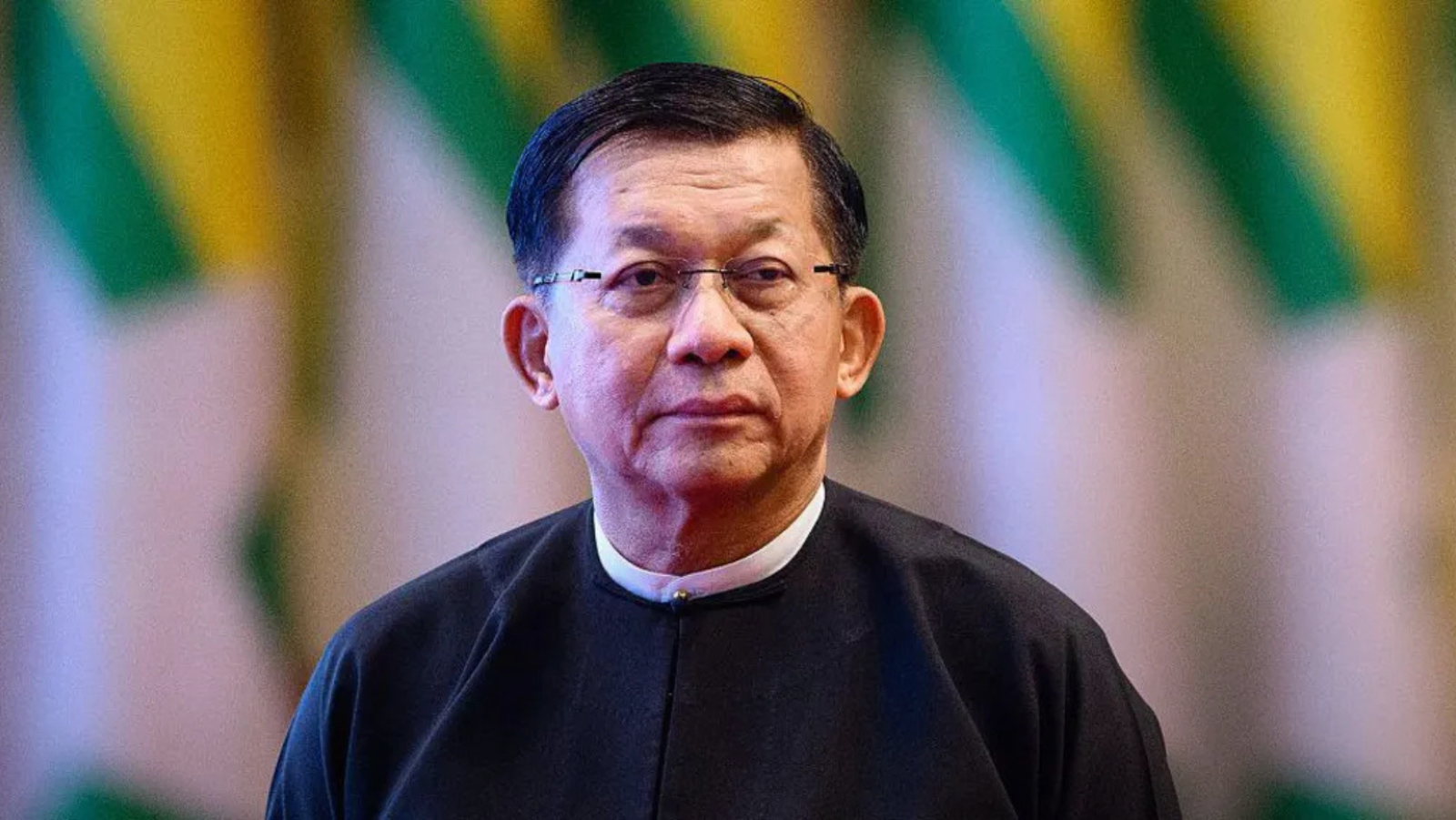
Min Aung Hlaing nominated as president Myanmar after controversial elections
Myanmar’s military leader Min Aung Hlaing has been nominated for the presidency as the country’s newly formed parliament convened following widely criticized general elections. The development comes as the ruling junta seeks to formalize its authority after years of political unrest and ongoing conflict.
The nomination of Min Aung Hlaing, who has led the country since the military takeover five years ago, is widely seen as a formality. With the parliament largely dominated by military-backed representatives and loyalists, there is little doubt that he will secure the presidency once the voting process concludes.
Observers say this move marks a significant step in consolidating power under a system that blends military leadership with a civilian political structure, although critics argue it is merely a continuation of military rule under a different title.
Military-backed parliament ensures strong support
The current composition of Myanmar’s parliament strongly favors the military establishment. A significant portion of seats is reserved for serving members of the armed forces, while many of the remaining lawmakers are affiliated with the military’s political wing.
This structure ensures that decisions, including the presidential nomination, align closely with the interests of the junta. Analysts believe that the outcome of the presidential selection process is effectively predetermined, given the overwhelming influence of pro-military lawmakers.
The general elections that led to the formation of this parliament were held over several weeks but were widely criticized for excluding major opposition parties. Large parts of the country were also unable to participate due to ongoing conflict, raising questions about the legitimacy of the process.
Background of the military takeover
Min Aung Hlaing first came to power after leading a military coup that removed the elected government. The move followed disputes over election results and marked a turning point in Myanmar’s political history.
Since then, the country has faced prolonged instability, with widespread protests, armed resistance, and a growing humanitarian crisis. Thousands of people have been killed in clashes, while millions have been displaced from their homes.
The military leadership has defended its actions, claiming that it acted to preserve national stability. However, international observers and human rights organizations have strongly condemned the coup and its aftermath.
Civil war and humanitarian impact
The situation in Myanmar remains volatile, with large areas of the country still outside government control. Armed opposition groups continue to resist military authority, leading to ongoing clashes in multiple regions.
The conflict has taken a heavy toll on civilians, disrupting daily life and limiting access to essential services such as healthcare and education. Humanitarian agencies have warned of worsening conditions, particularly in areas affected by fighting.
Despite these challenges, the junta has moved forward with its political roadmap, presenting the recent elections and the presidential nomination as steps toward stability and governance.
Criticism of the election process
The general elections held prior to the parliamentary session have been widely criticized by both domestic and international observers. Many prominent political parties were barred from participating, and restrictions on campaigning limited political competition.
Additionally, security concerns prevented voting in several regions, leaving a significant portion of the population without representation. Critics argue that these factors undermine the credibility of the electoral process.
The military government, however, has rejected these claims, insisting that the elections were conducted fairly and in accordance with the law. Officials maintain that the process reflects the will of the people, despite the absence of key opposition voices.
Leadership ambitions and political strategy
Min Aung Hlaing has long been associated with ambitions to assume a formal political role beyond his position as military chief. The presidency represents an opportunity to solidify his authority within a civilian framework while maintaining influence over the country’s governance.
However, the transition is not without challenges. According to Myanmar’s constitutional framework, taking on the presidential role may require him to step back from direct military command. This could potentially shift internal dynamics within the armed forces.
To address this, he has reportedly positioned trusted allies in key military roles, ensuring that his influence remains intact even if his official responsibilities change.
Balancing military and civilian authority
The expected transition of Min Aung Hlaing into the presidency highlights the ongoing blending of military and civilian structures in Myanmar. While the move may give the appearance of a traditional political system, many analysts believe that real power will continue to reside within the military establishment.
The creation of advisory bodies and councils linked to the leadership further reinforces this perspective. These structures allow continued oversight of key decisions, ensuring that the military retains a central role in shaping national policies.
This approach reflects a broader strategy aimed at maintaining control while presenting a more structured and institutionalized form of governance.
International response and sanctions
Min Aung Hlaing has faced sanctions from several Western countries in response to his role in the military takeover and subsequent actions. These measures have targeted both individuals and institutions linked to the junta.
International reactions to his presidential nomination have been cautious, with many governments expressing concern about the direction of Myanmar’s political future. Calls for inclusive dialogue and democratic reforms continue, although progress remains limited.
The geopolitical implications of Myanmar’s situation also add complexity, as regional and global powers balance diplomatic engagement with concerns over human rights and stability.
Outlook for Myanmar’s political future
The nomination of Min Aung Hlaing as president signals a continuation of the current political trajectory in Myanmar. While the move may bring a degree of administrative structure, it is unlikely to resolve the underlying issues driving conflict and instability.
Much will depend on how the new leadership approaches governance, reconciliation, and engagement with opposition groups. Without meaningful efforts to address these challenges, tensions are likely to persist.
As the situation evolves, Myanmar remains a focal point of international attention, with its political developments carrying significant implications for regional stability.
Conclusion
The development that Min Aung Hlaing nominated as president Myanmar underscores the military’s continued dominance over the country’s political system. While presented as a step toward formal governance, the move is widely viewed as an extension of existing power structures.
With ongoing conflict, limited political inclusion, and international scrutiny, Myanmar faces a complex and uncertain future. The coming months will be critical in determining whether the country can move toward stability or remain caught in a cycle of unrest.
For more news updates, latest stories, and breaking news, visit our website.