U.S. military strikes Venezuela captures Maduro in bold operation
U.S. military strikes Venezuela captures Maduro as tensions rise
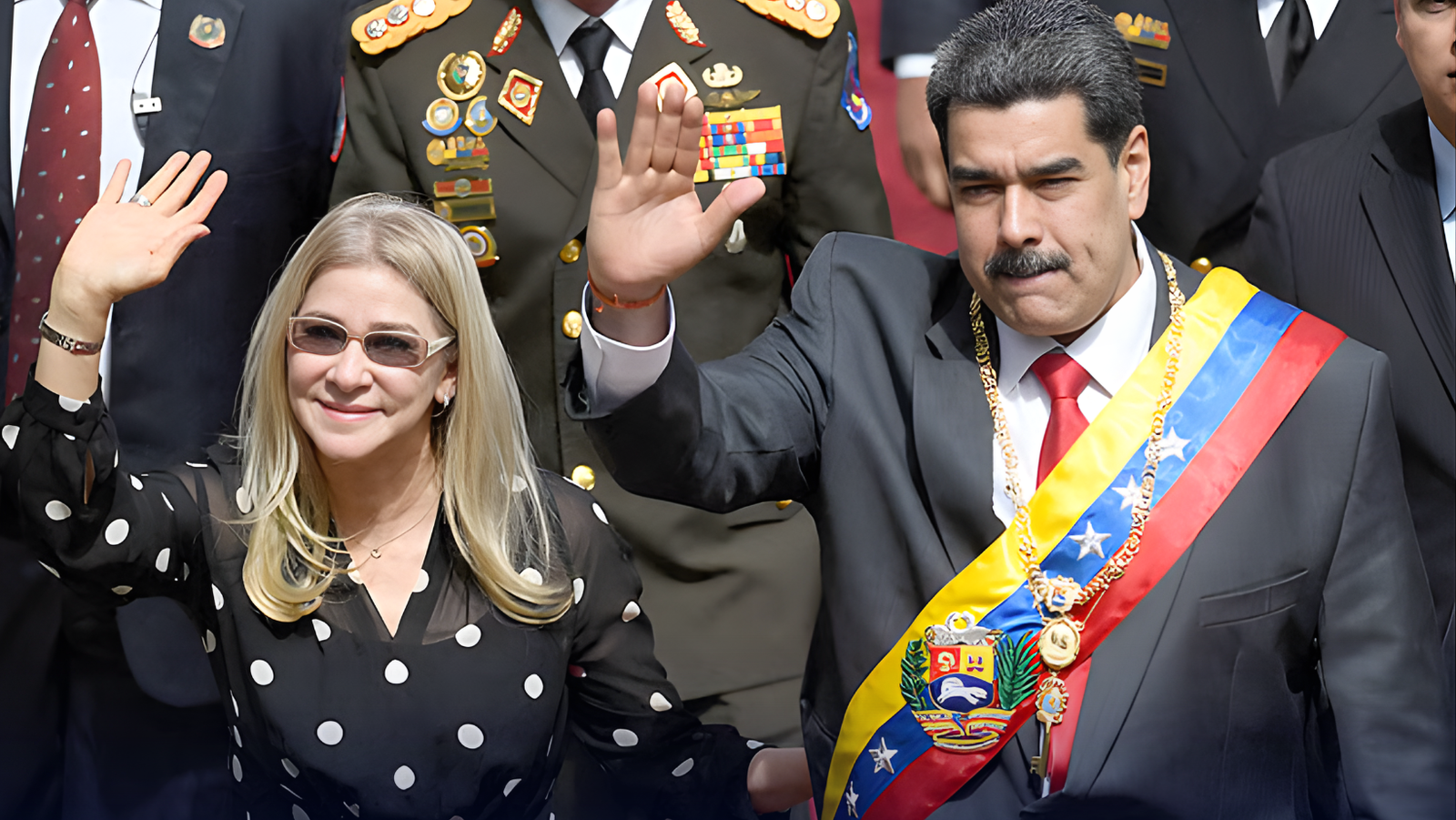
In a dramatic escalation of military action, the United States carried out a large-scale strike in Venezuela early Saturday morning, resulting in the reported capture of President Nicolás Maduro and his wife, Cilia Flores. The operation, executed under the coordination of U.S. law enforcement and military intelligence, has plunged the nation into a period of uncertainty and intense speculation regarding the future of its governance.
Residents of Caracas reported hearing multiple explosions and witnessing low-flying aircraft over key areas of the city. Panic spread as the sudden military activity disrupted daily routines and public services. Maduro’s government condemned the strike as an “imperialist aggression” and called on Venezuelan citizens to remain vigilant and mobilize in response.
Strategic execution and military details
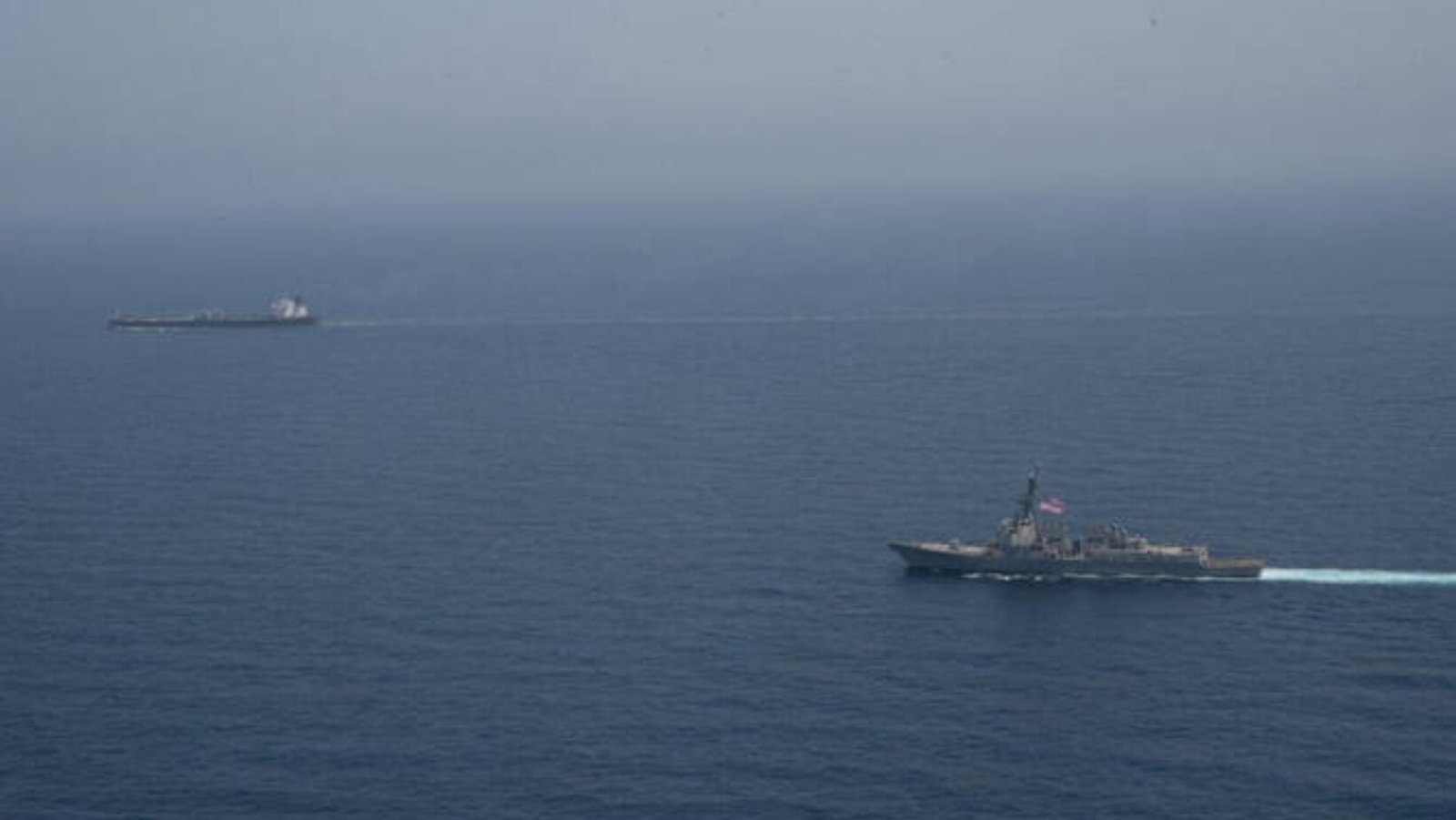
The operation involved a coordinated effort between multiple branches of the U.S. military. Air, naval, and special operations units targeted key locations across Caracas and other strategic points to minimize civilian casualties while securing high-value targets. The precision of the strikes ensured that major infrastructure outside military and government compounds remained largely intact, though power outages and communication disruptions were reported in several neighborhoods.
According to reports from local observers, smoke and fire were visible from military bases, and rapid troop movements were witnessed in strategic areas. Some militia groups and armed factions in Caracas took defensive positions, while other districts experienced minimal disturbance. The strike was carefully planned after months of surveillance and intelligence gathering.
Capture of Maduro and immediate consequences
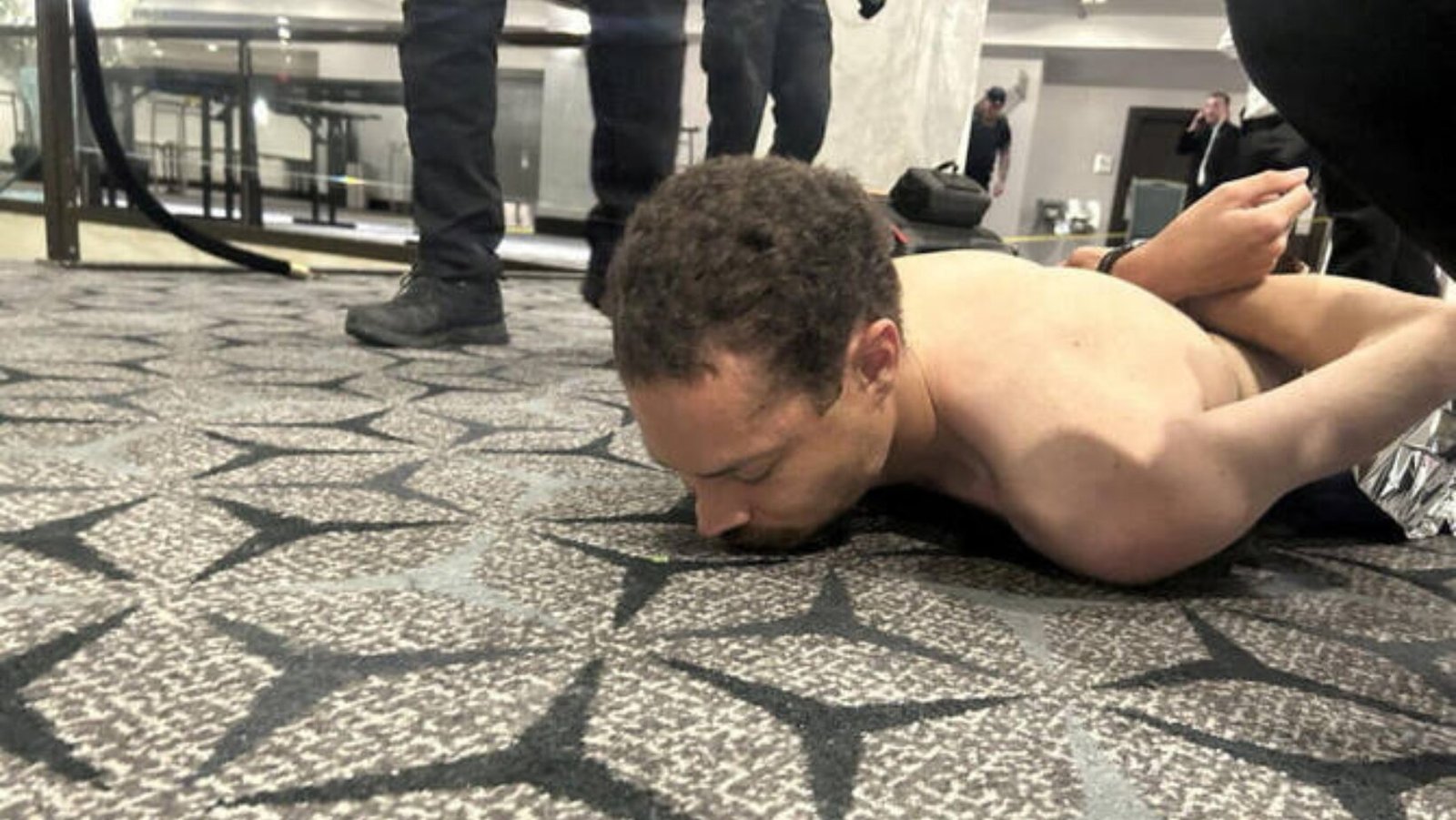
The operation resulted in the capture of President Nicolás Maduro and his wife. U.S. officials confirmed that both were removed from Venezuelan territory and placed under secure custody. The arrests mark the most direct U.S. intervention in Venezuela in decades, demonstrating a high level of operational coordination.
The removal of Maduro has left a temporary power vacuum in Caracas. Government officials, security forces, and political leaders are working to establish continuity of governance and maintain stability amid widespread uncertainty. Citizens have been advised to remain indoors until authorities can secure public areas.
Domestic reactions and public response
The U.S. military strikes and capture of Maduro triggered immediate reactions within Venezuela. Government statements denounced the operation as a violation of national sovereignty and called for widespread mobilization of civilian and military supporters. Residents reported fear and confusion, with reports of sporadic unrest and temporary road closures.
Power outages and disruptions to public transportation further complicated the situation. Local communities are adjusting to the new reality while awaiting guidance from interim authorities. The sudden removal of Maduro has raised concerns about potential looting, armed confrontations, and other disruptions in major cities.
International and regional impact
The strike and capture of Venezuela’s president have reverberated across the international community. Neighboring countries and regional organizations are monitoring the situation closely to anticipate potential refugee movements, economic disruption, and security challenges. Diplomatic channels are being used to manage emerging tensions and coordinate responses to prevent escalation.
Experts note that the intervention may influence geopolitical dynamics in Latin America, including relations between the U.S., neighboring states, and international allies of Venezuela. Regional stability is now contingent on the effective transition of power and cooperation among domestic and international stakeholders.
Humanitarian considerations
Beyond political and military developments, the operation has raised humanitarian concerns. Widespread power outages and limited access to essential services, such as healthcare and transportation, have affected thousands of residents. Authorities are working to restore electricity, water, and communications to ensure civilians are not unduly harmed during the transition.
Relief efforts are being coordinated to address immediate needs, including food, medical assistance, and shelter for vulnerable populations. Officials emphasize that restoring stability and public confidence will require both security measures and humanitarian support in the coming days.
Political and legal implications
The U.S. military strikes and subsequent capture of Maduro have significant political and legal implications. Analysts suggest that the operation could serve as a precedent for targeted interventions aimed at high-ranking foreign officials accused of corruption or criminal activity. The legal proceedings for Maduro and his wife, once fully initiated, are expected to draw intense international scrutiny.
Domestically, the removal of Maduro paves the way for interim governance and potential political reforms. Observers stress the importance of maintaining constitutional procedures and ensuring that the transition process respects Venezuelan law to prevent further instability.
Looking ahead: transition and stability
As Venezuela faces an uncertain future, authorities are focused on stabilizing the country and preventing a security vacuum. U.S. officials have indicated their support for a transitional process that includes reestablishing civilian control, securing public infrastructure, and facilitating the rule of law.
For Venezuelan citizens, the immediate priority remains safety, access to essential services, and reassurance from both local and interim leaders. International organizations and human rights observers are monitoring developments closely, emphasizing the importance of protecting civilians during periods of military and political upheaval.
Summary
The U.S. military strikes Venezuela captures Maduro in a decisive operation that has altered the nation’s political landscape. With the president and his wife under U.S. custody, Venezuela enters a period of uncertainty, requiring careful management of security, governance, and humanitarian needs. The international community is watching closely as the country navigates this unprecedented transition.
For ongoing updates and comprehensive coverage of Venezuela and regional developments, visit TimeOfGulf.