US Cautions Iran Won’t Ease Hold on Hormuz Strait Amid Rising Tensions
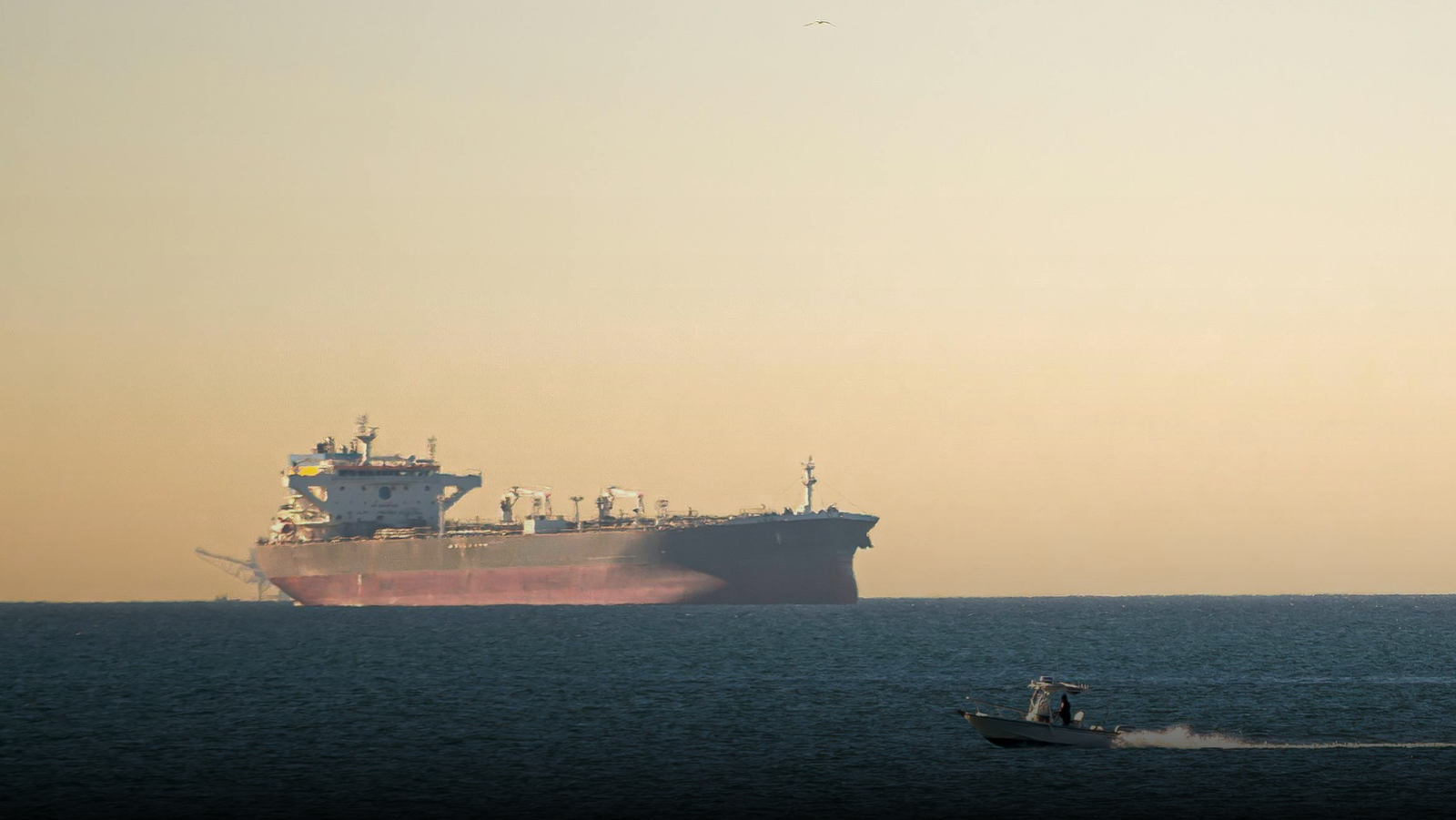
Washington: The United States has warned that Iran is unlikely to ease its grip on the strategically vital Strait of Hormuz, a narrow waterway through which roughly one-fifth of the world’s oil supply passes. According to senior US officials, Tehran regards its control over the strait as a crucial instrument of leverage in ongoing tensions with Washington and its regional allies.
The Strait of Hormuz, which separates Iran from Oman, narrows to just 21 miles at its tightest point, with maritime traffic confined to a few lanes in each direction. Its significance in global energy security cannot be overstated: around 20 percent of all internationally traded oil flows through this channel. By asserting control over this chokepoint, Iran has the ability to influence global energy markets and potentially pressure other nations into political or economic concessions.
Tehran’s Strategic Calculations
US cautions Iran won’t ease hold on Hormuz Strait because analysts believe Iran views the strait as an indispensable bargaining chip. Surrendering control could diminish Tehran’s influence both regionally and globally, leaving it with less leverage in negotiations over sanctions, military presence, and geopolitical influence.
Intelligence assessments indicate that Iran is prepared to maintain restrictions on commercial and military vessels for the foreseeable future. This could take the form of intermittent closures, heightened inspections, or other measures aimed at demonstrating dominance over one of the busiest maritime corridors in the world. Iranian leaders have publicly affirmed that the strait will remain under national authority, signaling their intent to deter foreign intervention and reinforce regional standing.
Military Risks of Reopening the Strait
Efforts to reopen the Strait of Hormuz through military action carry serious risks. Its narrow geography makes it highly vulnerable to missile, drone, and asymmetric attacks. Experts warn that even limited operations could escalate into a broader conflict involving neighboring countries, destabilizing the region further.
While the United States possesses the capability to deploy significant naval and air assets, success is not guaranteed. Even if US forces were to secure key positions along Iran’s southern coast or nearby islands, Tehran could still disrupt maritime traffic using long-range missiles, unmanned drones, and unconventional tactics. Such challenges could prolong confrontation, further drive up oil prices, and trigger ripple effects across the global economy.
Economic Implications of Iranian Control
US cautions Iran won’t ease hold on Hormuz Strait also underscores the potential economic fallout for global markets. Iran’s control over this critical passage introduces uncertainty, contributing to rising energy prices and heightened market volatility. Prolonged restrictions could lead to inflationary pressure, supply chain disruptions, and unpredictable swings in commodity trading.
Countries heavily dependent on Gulf oil are especially at risk. Fuel price surges may increase transportation costs, raise production expenses, and ultimately affect the prices of consumer goods and services. Many energy-dependent nations may need to consider alternative shipping routes, increase reserves, or adopt contingency policies to mitigate the impact of Iranian control.
Diplomatic Challenges and Responses
Iran’s firm stance over the strait has intensified pressure on Washington to employ a mix of diplomatic and military strategies. The United States emphasizes its commitment to free navigation, yet officials acknowledge that diplomacy is essential to avoid escalation. International organizations and regional allies are being urged to engage with Tehran to explore sustainable solutions.
The US caution reflects broader geopolitical stakes. Control over the strait extends beyond energy flows, serving as a measure of influence and strategic power. Tehran’s ability to restrict shipping signals to other countries that it remains a major player in Middle Eastern affairs, while also projecting regional strength.
Historical Lessons
Historically, control over key maritime passages has been closely tied to military and economic power. The Strait of Hormuz similarly plays a decisive role in shaping regional power and economic influence. Analysts note that past attempts to forcibly reopen blocked waterways often led to prolonged conflicts with unintended consequences. Military experts stress that any US action must carefully balance the need to ensure freedom of navigation with the risks of wider regional confrontation.
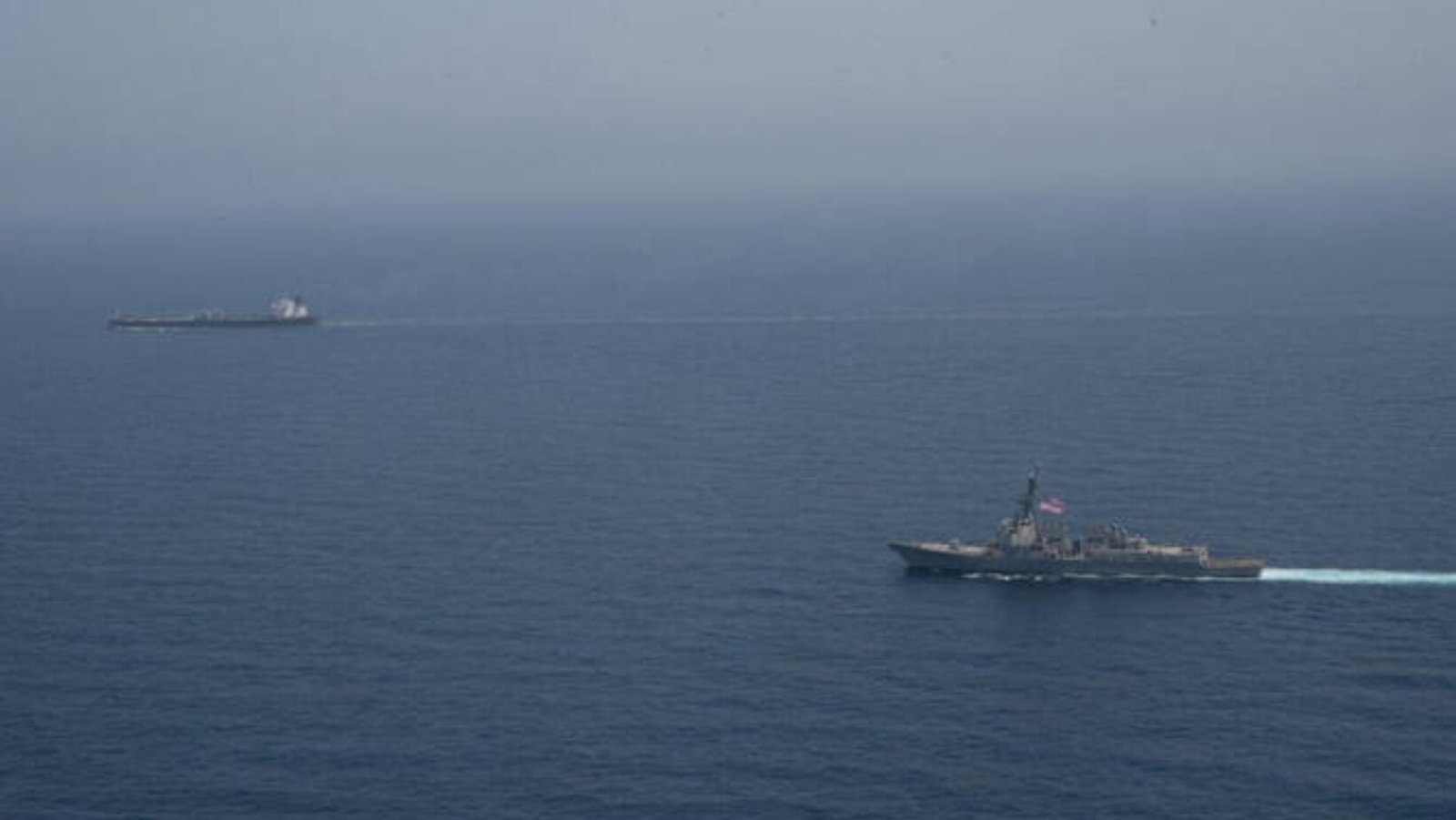
The United States has conducted regular naval patrols and exercises to assert its presence in the Gulf and deter hostile actions. However, Iran’s sophisticated missile and drone capabilities continue to pose a significant threat. The dense traffic in the narrow strait increases the risk of accidents or escalation, even from minor incidents.
Preparing for Multiple Scenarios
If Iran maintains its current hold, the US and allied nations may need to explore alternative strategies. These could include securing new shipping corridors, enhancing energy storage, and bolstering naval deployments in surrounding waters. Diplomatic engagement with Tehran and other Gulf nations will also be critical in reducing disruptions and ensuring global energy stability.
Analysts warn that Iran’s use of the strait as leverage may persist for months or even years without a diplomatic breakthrough. The region’s security and the stability of the global oil market will remain closely tied to developments in this strategic chokepoint.
Strategic Significance Beyond Oil
The strait’s importance extends beyond economic considerations. Controlling Hormuz enables Iran to monitor maritime movements, influence regional military dynamics, and project power across the Gulf. This strategic leverage keeps both regional and international actors attentive to Iranian policies and actions.
US cautions Iran won’t ease hold on Hormuz Strait serves as a warning to shipping companies, energy traders, and governments worldwide. Contingency planning for potential disruptions is now considered essential. This includes monitoring Iranian naval activity, updating maritime safety protocols, and coordinating with allies to mitigate risk.
Conclusion
In conclusion, US cautions Iran won’t ease hold on Hormuz Strait highlights the intricate mix of strategic, economic, and political challenges surrounding one of the world’s most critical maritime passages. Iran’s control provides substantial leverage, and any attempt to forcefully reopen the channel carries significant risks. Washington must balance military preparedness, diplomatic efforts, and economic planning to navigate this ongoing crisis successfully while minimizing potential global fallout.
For more breaking news and the latest stories from the Gulf region, visit Time of Gulf for real-time updates.