
Trump says US leaving Iran very soon without deal as global tensions rise over oil routes and conflict
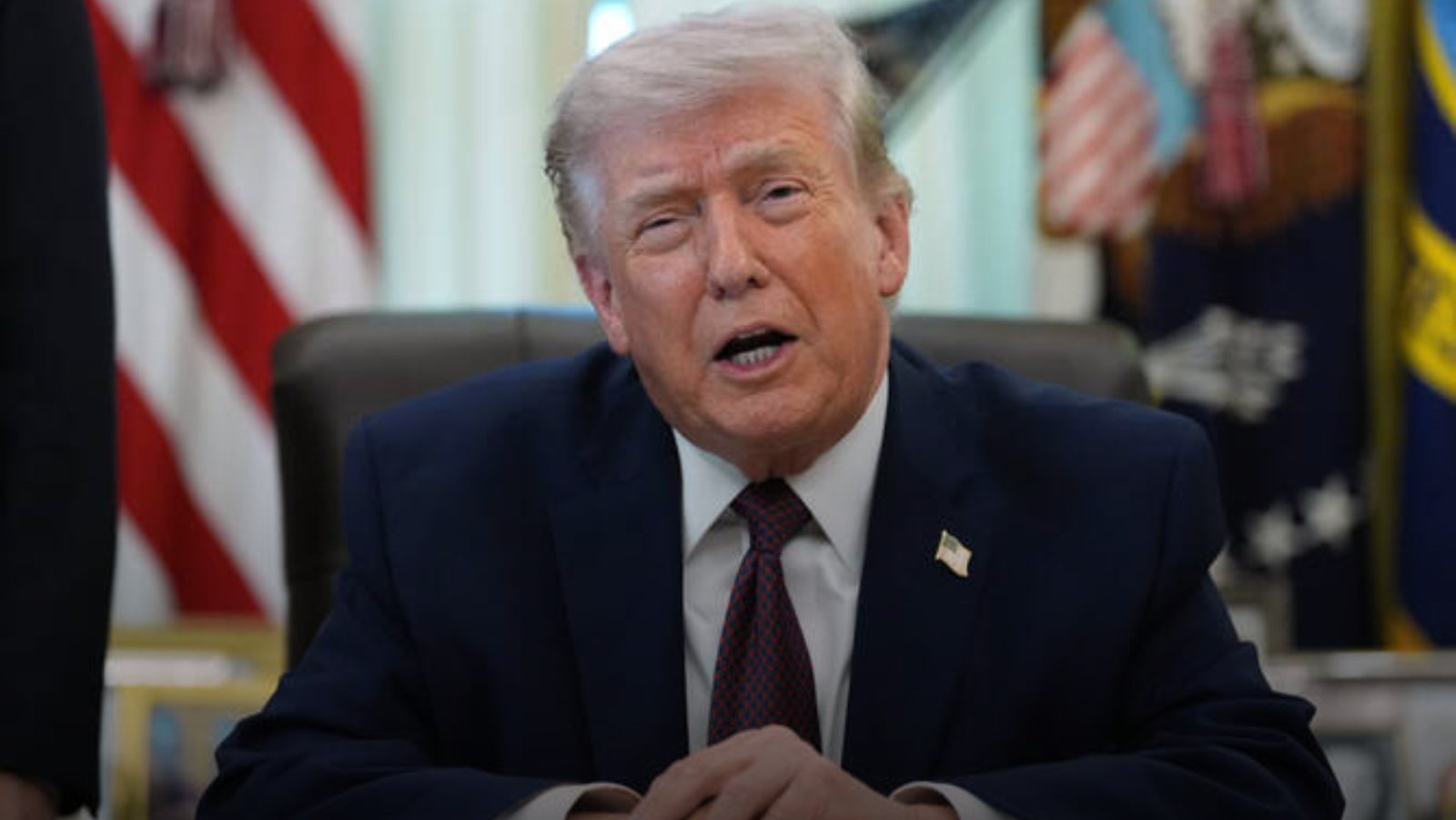
Trump says US leaving Iran very soon without deal amid US Iran conflict 2026 escalation
President Donald Trump announced that the United States is preparing to end its military operations in Iran very soon, marking a significant moment in the ongoing US Iran conflict 2026 and signaling a shift in Washington’s strategic direction.
Speaking at the White House, Trump said the withdrawal could happen within two to three weeks, reinforcing his position that Trump says US leaving Iran very soon without deal, regardless of ongoing diplomatic discussions with Tehran.
US Iran conflict 2026 and US military operations Iran update
The current phase of the conflict began in late February, when US forces launched a series of airstrikes targeting key Iranian military and infrastructure sites. These actions form the core of the latest US military operations Iran update, aimed at reducing Iran’s operational capabilities.
According to officials, the campaign has achieved many of its immediate objectives. Trump stated that the United States is “finishing the job,” a remark that supports the claim that Trump says US leaving Iran very soon without deal as military goals are nearing completion.
Despite the progress, tensions remain high across the region. The US Iran conflict 2026 continues to impact geopolitical stability, with multiple countries closely monitoring developments and preparing for possible consequences.
Trump Iran withdrawal timeline and Trump foreign policy Iran war
The Trump Iran withdrawal timeline suggests that the administration is focused on concluding its involvement quickly. Trump emphasized that a deal with Iran is not necessary for the withdrawal to proceed.
“They don’t have to make a deal with me,” he said, underlining the administration’s approach to Trump foreign policy Iran war, which prioritizes strategic outcomes over prolonged negotiations.
This approach reflects a broader shift in US foreign policy, where reducing long-term military commitments has become a key objective. The repeated message that Trump says US leaving Iran very soon without deal highlights a clear intention to disengage once core goals are achieved.
At the same time, the administration insists that its actions are based on national security concerns, particularly in relation to Iran’s military and nuclear capabilities.
Iran nuclear tensions US and strategic objectives
One of the central issues driving the conflict is Iran nuclear tensions US, which continue to shape US policy decisions. Trump stated that the United States aims to ensure Iran cannot develop nuclear weapons before completing its withdrawal.
“When we feel that they are no longer capable of producing nuclear weapons, then we will leave,” he said, reinforcing the administration’s position.
This objective remains a critical factor behind the strategy outlined in Trump says US leaving Iran very soon without deal, as the US seeks to secure long-term stability through targeted military action.
Analysts note that while progress has been made, concerns about Iran’s nuclear ambitions persist, making the situation highly sensitive.
Strait of Hormuz crisis oil supply and oil tanker crisis Hormuz Strait
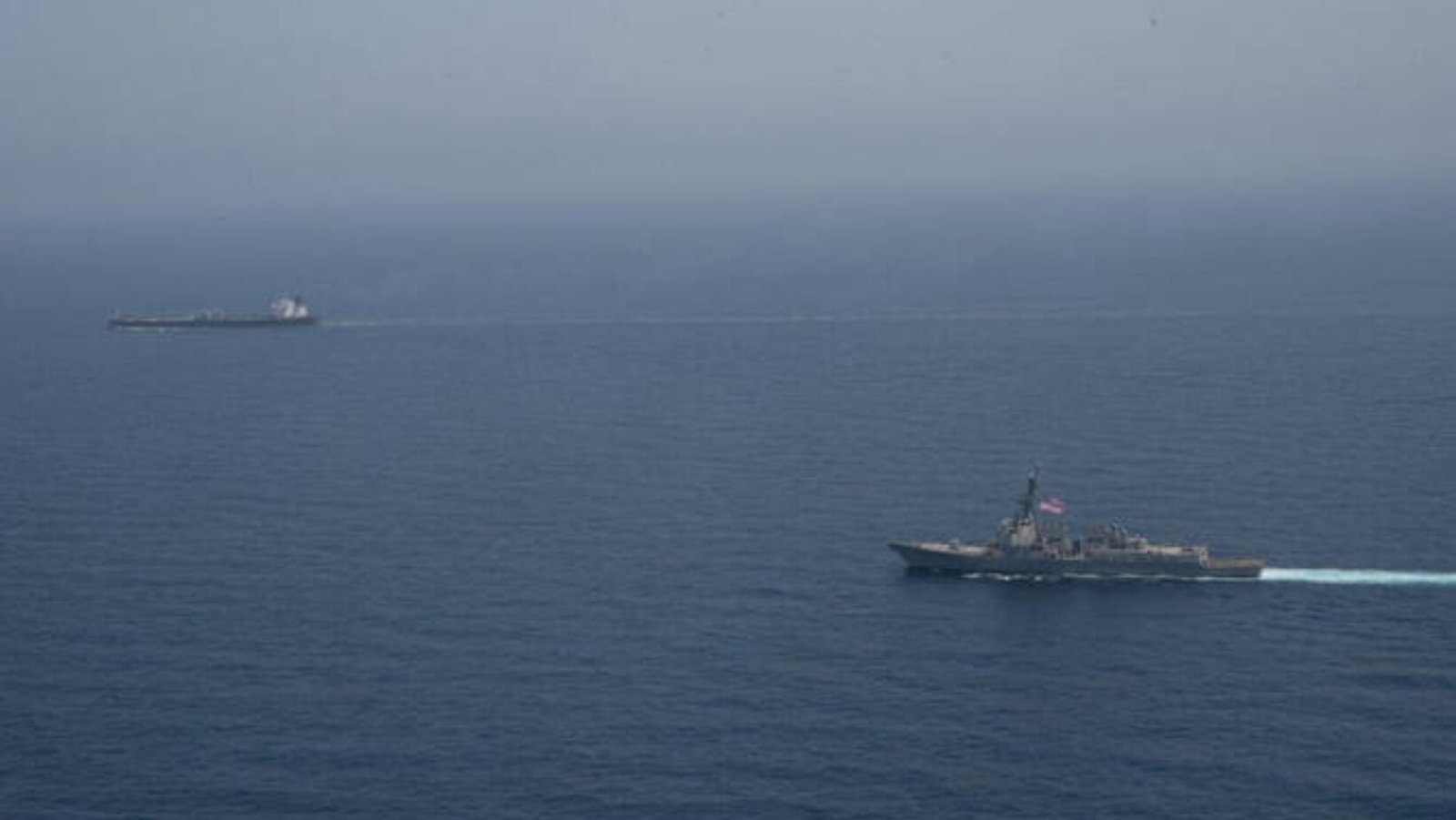
The conflict has also triggered a major Strait of Hormuz crisis oil supply issue, affecting global energy markets. Iran’s response to US actions has included restricting tanker movement through the strait, a vital route for international oil shipments.
This has led to an ongoing oil tanker crisis Hormuz Strait, with several countries facing challenges in securing energy supplies. The disruption has caused fluctuations in oil prices and raised concerns about long-term supply stability.
Trump addressed the issue by urging other nations to take responsibility for their own energy needs. “If countries want oil, they should go and get it themselves,” he said, signaling a shift in US involvement.
This stance further supports the idea that Trump says US leaving Iran very soon without deal, while reducing its role in protecting global shipping routes.
US defense secretary Iran comments and military outlook
US Defense Secretary Pete Hegseth provided additional insight into the situation through his recent statements, which reflect key US defense secretary Iran comments on the conflict.
He described the coming days as “decisive,” indicating that the situation may soon reach a turning point. His remarks align with the broader narrative that Trump says US leaving Iran very soon without deal, as military operations approach their final phase.
Hegseth also confirmed that he visited US troops involved in operations, though details about their locations were withheld for security reasons. This visit highlights the ongoing nature of the US military operations Iran update.
While preparing for withdrawal, Hegseth did not rule out the possibility of further action if required. He stated that all options remain available, including the use of ground forces if necessary.
Global reaction and future outlook
The announcement has drawn mixed reactions from the international community. Some countries have expressed concern about the potential impact of a US withdrawal on regional stability and energy security.
Others view the move as part of a broader transformation in Trump foreign policy Iran war, where the United States is redefining its role in global conflicts.
The US Iran conflict 2026 remains a complex situation, with multiple factors influencing its outcome. As the Trump Iran withdrawal timeline progresses, global attention is focused on how the situation will evolve.
Energy markets continue to monitor the Strait of Hormuz crisis oil supply, while policymakers assess the risks associated with the oil tanker crisis Hormuz Strait.
At the same time, Iran nuclear tensions US remain a key concern, shaping both military and diplomatic strategies.
The consistent message that Trump says US leaving Iran very soon without deal indicates a clear policy direction, though uncertainties remain about what will follow.
As developments continue, the coming weeks are expected to be critical in determining the future of the region and the broader geopolitical landscape.
For more updates and latest international news, visit Time Of Gulf
For official statements, visit https://www.whitehouse.gov/

Some really quality posts on this website , saved to my bookmarks.