

Rohingya Genocide Case Against Myanmar Heard at World Court
International Court of Justice Examines Allegations
The Rohingya genocide case against Myanmar began hearings at the International Court of Justice (ICJ), drawing global attention to decades of persecution against the Rohingya Muslim minority. The case, filed by The Gambia in 2019, alleges that Myanmar pursued systematic policies aimed at destroying the Rohingya population.
During the opening session, Gambia’s Foreign Minister Dawda Jallow emphasized that credible evidence shows “brutal and targeted violations” inflicted upon a vulnerable group. He outlined a history of oppression and stated that the military-led campaigns had attempted to erase the Rohingya presence in Myanmar.
Humanitarian Crisis and Refugee Challenges
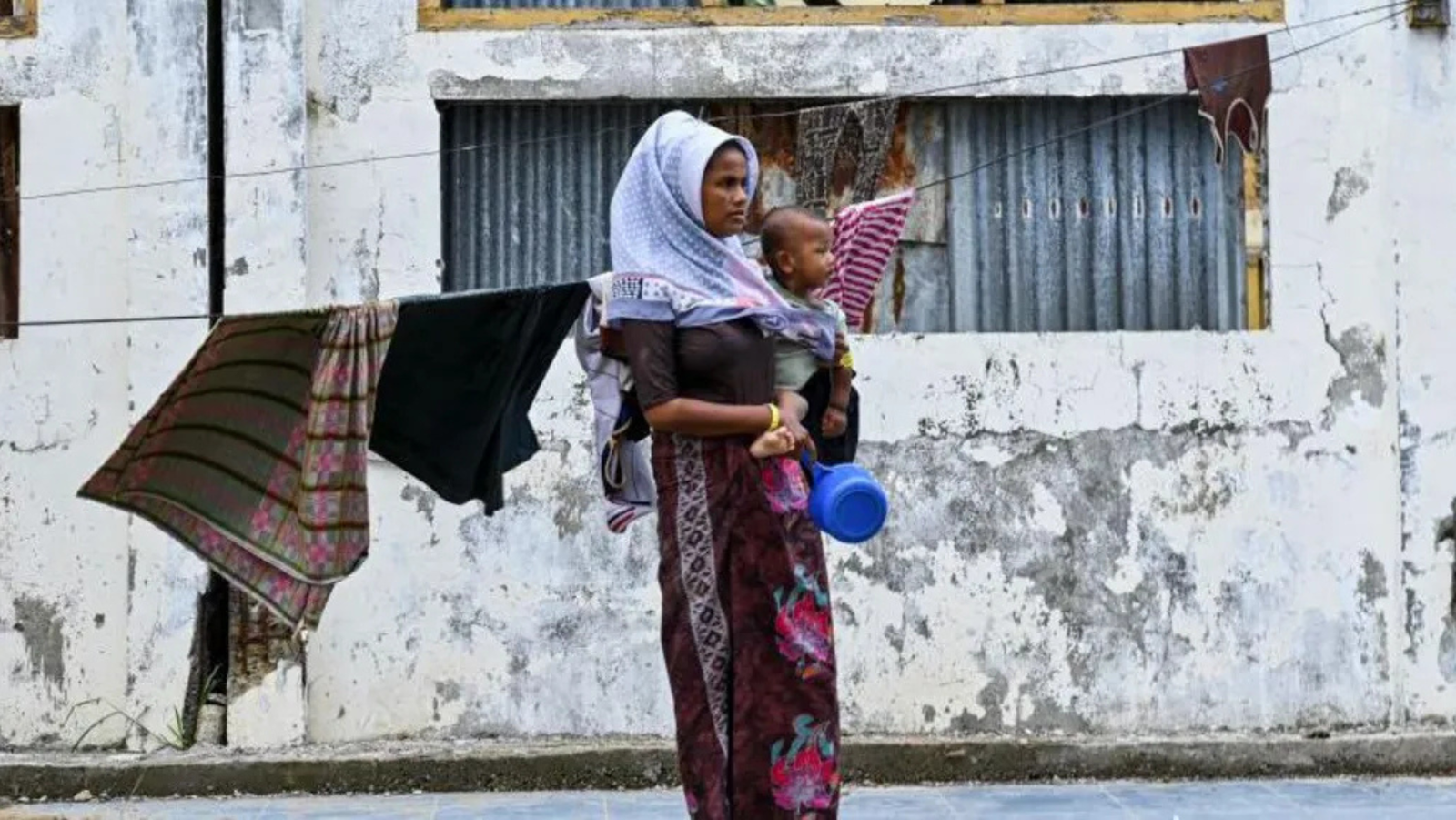
Over 700,000 Rohingya fled Myanmar during a violent military crackdown in 2017, most seeking refuge in neighboring Bangladesh. Camps in Cox’s Bazar have become the largest and most densely populated refugee settlements in the world. Many Rohingya have risked perilous journeys by sea to reach Malaysia, Indonesia, and other safe havens.
The refugee crisis remains unresolved, with humanitarian organizations warning of inadequate living conditions, limited access to health care, and persistent risks of exploitation. The ICJ proceedings bring renewed focus on these ongoing challenges, reinforcing the urgent need for international accountability.
Myanmar Military Actions Under Scrutiny
The case highlights the role of Myanmar’s military in orchestrating attacks that resulted in mass killings, forced displacement, and destruction of villages in Rakhine state. LSI keywords such as “Myanmar military crimes” and “Rakhine state atrocities” emphasize the scope of alleged violations.
Myanmar has consistently denied the allegations, insisting that its operations were intended to target militants rather than civilians. However, investigations by the United Nations and other international bodies have documented systematic patterns of violence and human rights abuses.
Legal and Political Implications
Legal experts say the Rohingya genocide case against Myanmar could set a precedent for how international law defines and enforces the 1948 UN Genocide Convention. Judges are expected to clarify what constitutes intent to destroy a national, ethnic, racial, or religious group.
The ICJ cannot prosecute individuals but its rulings carry significant legal and political weight. The proceedings are closely monitored by international observers, governments, and human rights organizations worldwide.
Testimonies from Survivors
The court has set aside time to hear testimonies from Rohingya survivors, though these sessions are closed to the public. Witness accounts are expected to provide crucial evidence of the military’s systematic abuse, including forced displacement, killings, and destruction of property.
Survivors and advocacy groups continue to demand accountability from Myanmar’s leadership, emphasizing that justice has been delayed for far too long. The stories of those affected underscore the human toll of prolonged persecution.
Regional Impact and International Support
The case has drawn backing from dozens of countries, including members of the Organisation of Islamic Cooperation and several Western nations. LSI keywords like “Bangladesh Rohingya camps” and “genocide accusations Myanmar” highlight the regional and international implications.
The Gambia’s initiative reflects its commitment to human rights, informed by its own history under military rule. By bringing the case to the ICJ, The Gambia seeks to ensure enforcement of international norms and protections for vulnerable populations.
Myanmar’s Political Landscape
The proceedings also touch on Myanmar’s internal politics. Following the military coup in 2021, the country has faced renewed instability and cycles of violence. Myanmar’s former civilian leader, Aung San Suu Kyi, has seen her international reputation diminish after defending military actions during prior allegations of genocide.
Analysts note that the military’s continued control complicates the prospects for accountability and democratic governance. The ICJ case provides an important international forum for addressing these challenges.
Parallel Investigations
In addition to the ICJ hearings, the International Criminal Court (ICC) is investigating alleged crimes committed by Myanmar’s military ruler, Min Aung Hlaing, in relation to the Rohingya crisis. While the ICJ focuses on state responsibility, the ICC addresses individual criminal accountability.
This dual-track approach underscores the complexity of international legal mechanisms for addressing genocide and other mass atrocities. Observers stress that global cooperation is critical for effective enforcement of justice.
Potential Global Precedents
The Rohingya genocide case against Myanmar is the first genocide case to be heard in over a decade, raising questions about how international law can prevent and punish atrocities. Judges’ interpretations could influence future cases involving mass violence and state accountability.
The ICJ’s decisions may also shape how humanitarian crises and refugee protection are addressed worldwide, reinforcing the principle that state sovereignty cannot shield governments from responsibility for systematic human rights violations.
Conclusion: Justice and Accountability Await
The ICJ hearings mark a pivotal moment in the fight for justice for the Rohingya people. While the final ruling may take months or years, the proceedings highlight the need for accountability, international vigilance, and humanitarian support for affected communities.
With more than one million Rohingya still living in crowded refugee camps, the world watches closely. The outcome of this case has the potential to strengthen protections for vulnerable populations and ensure that acts of genocide are confronted globally.
Stay updated on global human rights news, breaking stories, and major international events — visit our website.