
Pakistan condemns Israeli strikes on Lebanon
Pakistan Condemns Israeli Strikes on Lebanon Undermining Regional Peace Efforts and Escalating Tensions
Pakistan has strongly criticized Israel’s ongoing military strikes in Lebanon, warning that the attacks are undermining fragile diplomatic efforts and threatening broader regional stability. The statement comes at a time when tensions remain high despite a temporary ceasefire between the United States and Iran.
Officials in Pakistan described the escalation as deeply concerning, stressing that continued violence risks derailing ongoing initiatives aimed at restoring peace across the Middle East.
Foreign Office Calls Attacks a Violation of International Law
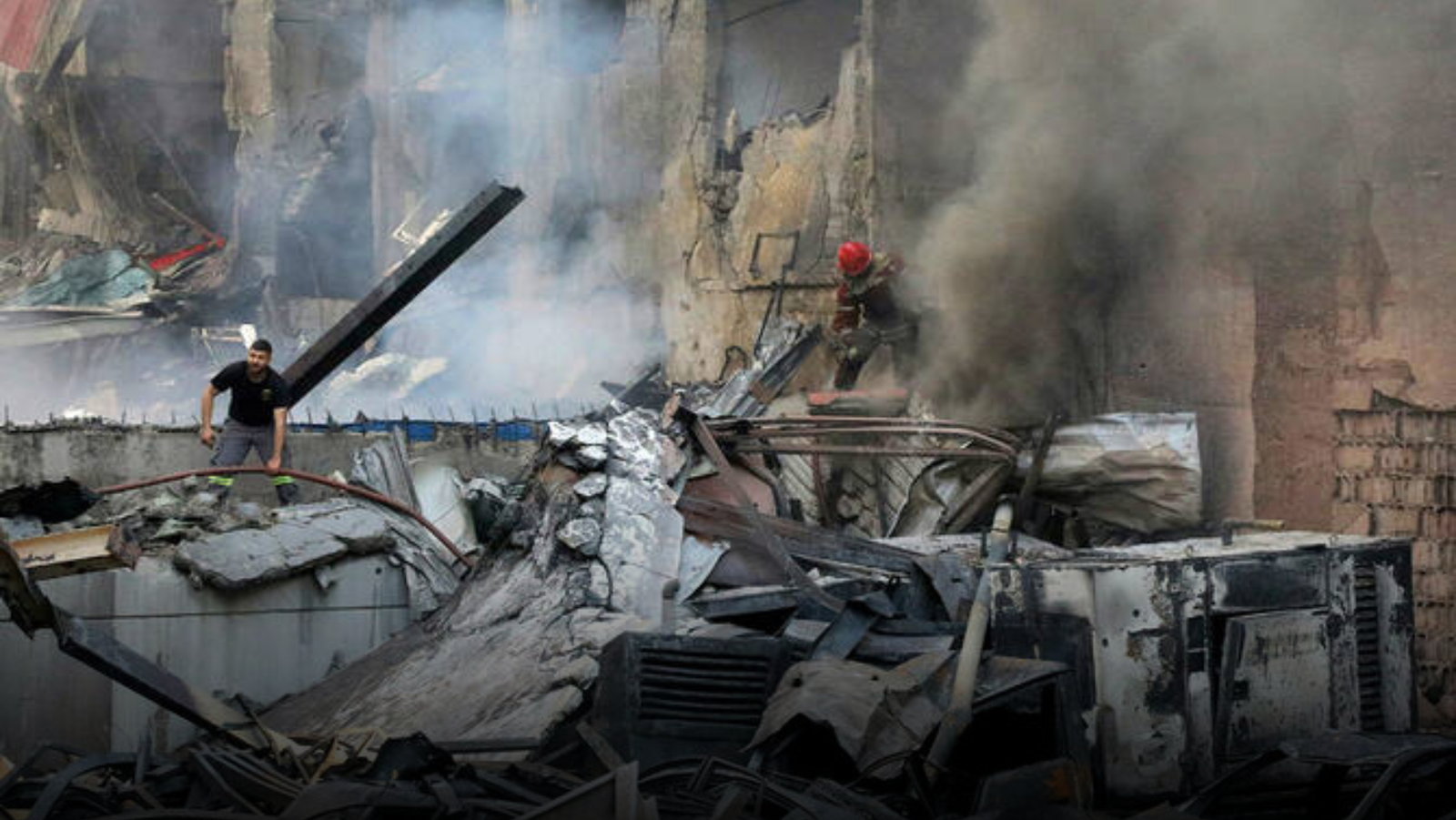
Pakistan’s Foreign Office issued a strong condemnation, stating that Israeli strikes have resulted in civilian casualties and significant damage to infrastructure. The ministry emphasized that such actions violate international law and basic humanitarian principles.
The statement urged the international community to take immediate and concrete steps to halt the attacks. It also highlighted the importance of protecting civilian lives and maintaining respect for national sovereignty during times of conflict.
Pakistan reaffirmed its unwavering support for Lebanon’s territorial integrity and expressed solidarity with its people amid the escalating crisis.
Strikes Continue Despite Broader Ceasefire Efforts
The criticism comes in the context of a fragile ceasefire between the United States and Iran, which has provided limited relief in parts of the region. However, the truce does not explicitly cover Israeli military operations in Lebanon.
As a result, airstrikes have continued, raising concerns that the conflict could expand further. Observers warn that excluding Lebanon from ceasefire arrangements may weaken overall peace efforts and contribute to renewed instability.
Hezbollah Factor Adds Complexity to Conflict
Lebanon remains a key flashpoint due to the presence of Hezbollah, which operates along Israel’s northern border and maintains strong ties with Iran.
Israel has repeatedly justified its actions by citing security threats posed by Hezbollah. However, ongoing strikes risk escalating tensions and drawing additional actors into the conflict.
Pakistan’s statement reflects growing international concern that continued military action could trigger a wider regional confrontation.
Rising Risk of Regional Escalation
The continuation of hostilities in Lebanon highlights the fragile nature of current diplomatic efforts. While the US-Iran ceasefire has reduced tensions in some areas, the situation remains volatile.
Analysts warn that sustained military activity could undermine trust between parties and complicate negotiations aimed at achieving long-term peace.
Pakistan has called for a comprehensive approach that addresses all conflict zones in the region rather than focusing on limited agreements.
Humanitarian Impact Raises Alarm
Beyond political and military considerations, the humanitarian consequences of the strikes are becoming increasingly severe. Reports indicate damage to civilian infrastructure and displacement of local communities.
Pakistan emphasized the need to protect civilians and ensure that international humanitarian standards are upheld. The country urged global actors to prioritize human safety and provide assistance to those affected by the violence.
Global Community Urged to Act Swiftly
Pakistan’s statement includes a clear call for international intervention to prevent further escalation. Officials stressed that timely and decisive action is essential to restore stability and prevent the situation from deteriorating further.
Diplomatic efforts are expected to intensify in the coming days as global powers assess the evolving situation and explore options for de-escalation.
Uncertain Future for Peace Efforts
Despite ongoing diplomatic engagement, the path to lasting peace remains uncertain. The continuation of strikes in Lebanon underscores the challenges facing regional stability initiatives.
Pakistan’s position highlights the importance of inclusive dialogue and coordinated international action. Without these, temporary ceasefires may fail to deliver meaningful or lasting results.
The coming days will be critical in determining whether tensions ease or escalate further, with significant implications for the broader Middle East.
For more updates on Middle East tensions, Lebanon conflict developments, and global diplomatic efforts, follow ongoing coverage on Time of Gulf.

Helpful info. Fortunate me I discovered your website unintentionally, and I am shocked why this coincidence did not came about in advance! I bookmarked it.