US military boards sanctioned oil tanker Indian Ocean after months-long pursuit
US military boards sanctioned oil tanker Indian Ocean in high-seas interdiction
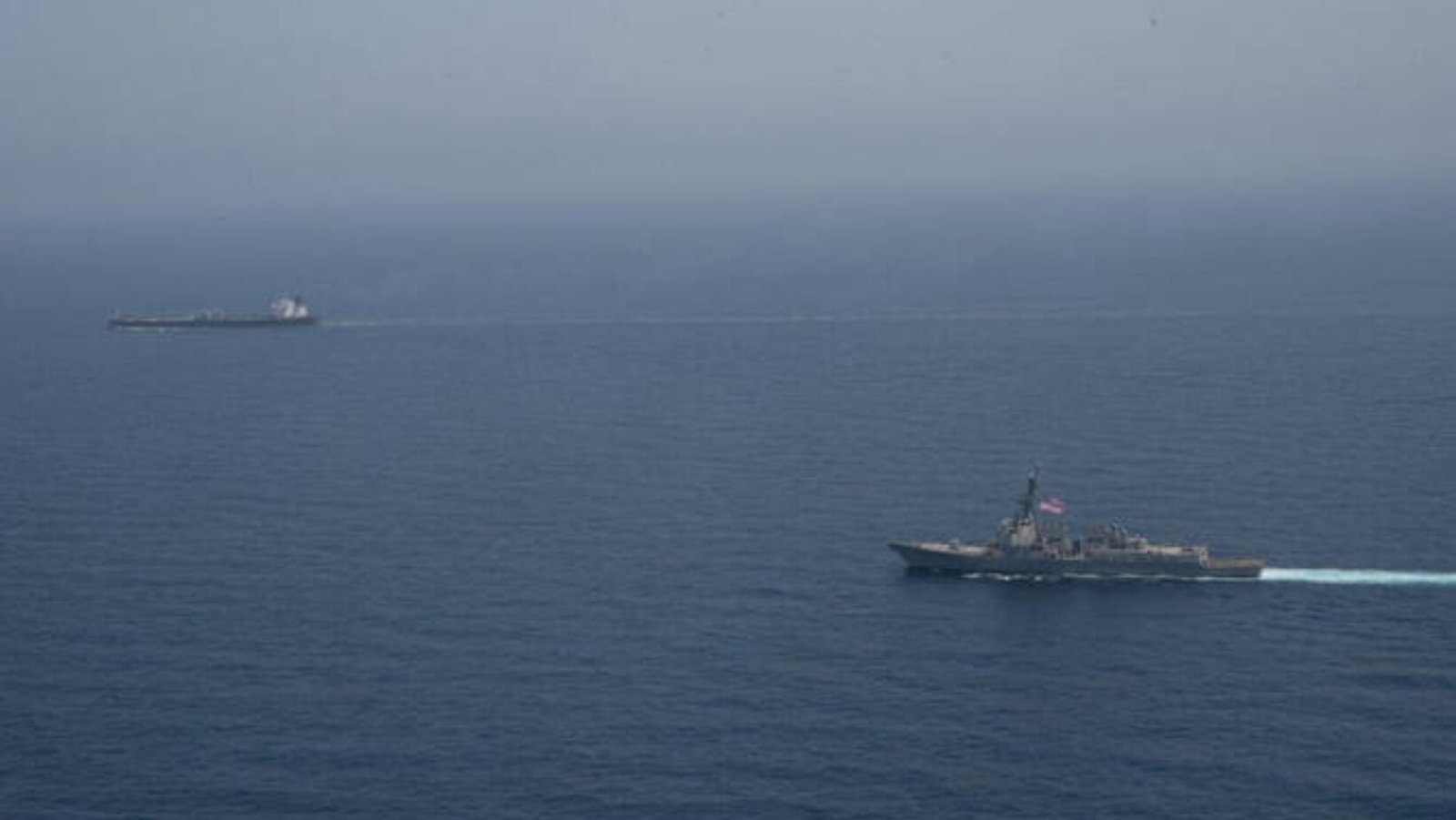
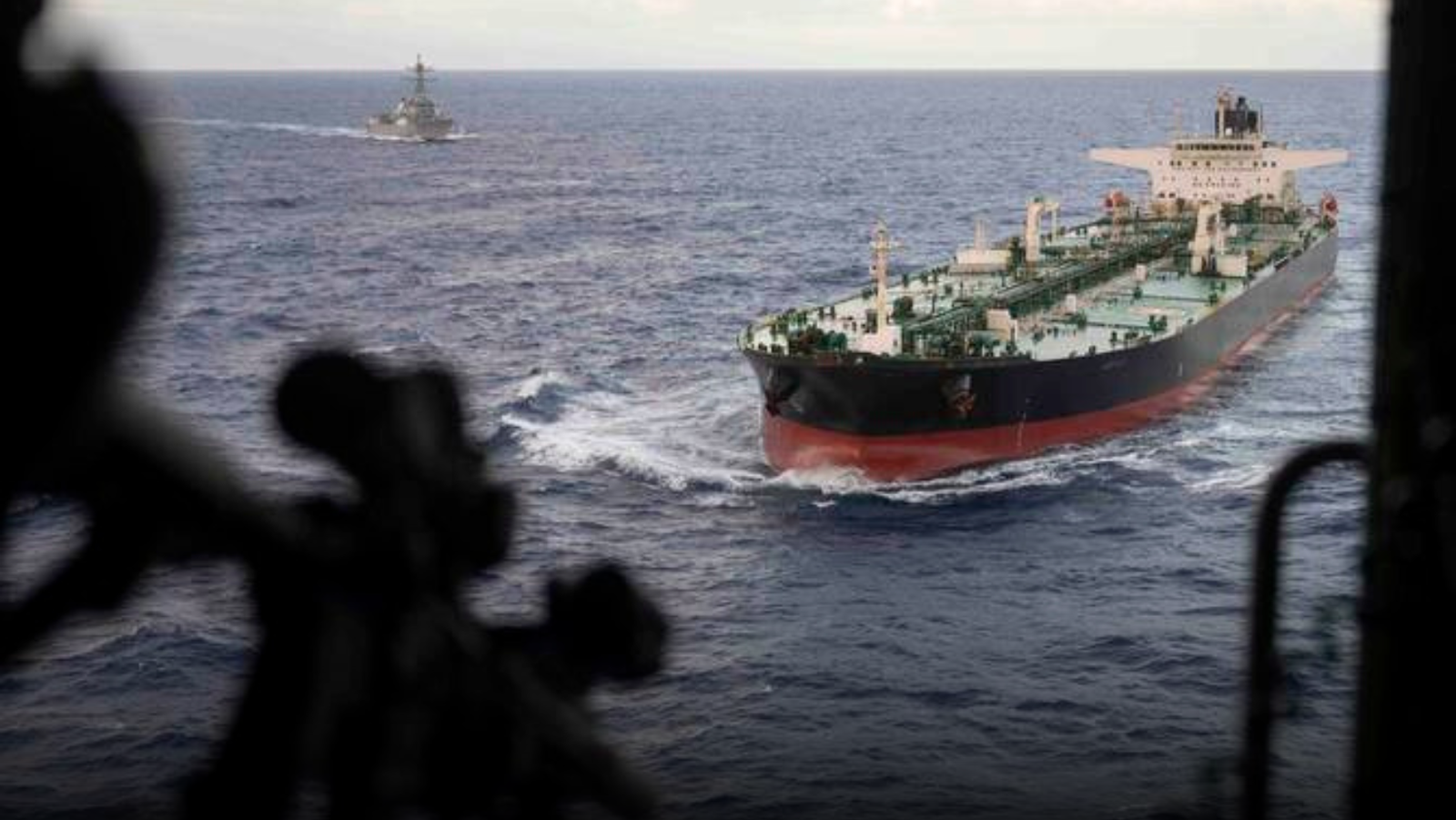
The United States military successfully boarded a sanctioned oil tanker in the Indian Ocean after a months-long pursuit that began in the Caribbean Sea, Pentagon officials confirmed. The tanker, identified as Aquila II, has been under U.S. sanctions due to its involvement in transporting oil from restricted sources, including shipments connected to Venezuela.
The operation marks a significant effort by the U.S. to enforce international sanctions and prevent vessels from circumventing legal restrictions. According to military sources, the tanker had disabled its tracking transponder at times, a tactic commonly used by ships attempting to avoid detection on the open seas. Despite these challenges, U.S. naval forces maintained continuous surveillance across thousands of miles before initiating the boarding.
Tracking and Surveillance of Aquila II
The pursuit of Aquila II involved multiple U.S. naval assets, including destroyers and support ships, which coordinated to track the vessel from its departure off the Venezuelan coast. Officials noted that the ship had spent much of the past year operating without an active transponder, making the mission complex and requiring precise coordination between maritime patrols and satellite intelligence.
The boarding operation itself was conducted under a “right-of-visit” protocol, a standard legal procedure allowing warships to inspect vessels suspected of violating international sanctions. At the time of boarding, the tanker was reportedly not carrying any crude oil, ensuring the operation was carried out safely and without confrontation.
Operational Strategy and Execution
U.S. defense officials described the operation as a carefully coordinated effort that emphasized both legal compliance and maritime safety. The boarding was carried out with no resistance from the tanker’s crew, highlighting the level of planning and training of the personnel involved. Naval commanders confirmed that the operation demonstrated the U.S. commitment to monitoring and enforcing sanctions across international waters.
The interdiction reflects a broader strategy by the U.S. to ensure that sanctioned vessels cannot evade international law by sailing long distances or operating in areas far from U.S. territorial waters. The pursuit also serves as a warning to operators of “shadow fleet” tankers, which often attempt to bypass sanctions by disabling tracking systems and navigating remote maritime regions.
Sanctions Enforcement Context
The Aquila II case is part of a wider enforcement effort targeting vessels connected with restricted oil networks. U.S. sanctions aim to limit the revenue flow to countries and organizations that circumvent international rules. By interdicting vessels like Aquila II, the U.S. demonstrates that sanctions enforcement extends beyond financial measures and includes active maritime monitoring and interdiction.
Officials stressed that these actions are not punitive in nature but are designed to maintain the integrity of international sanctions regimes. Preventing the illicit transport of oil helps ensure that countries subject to embargoes cannot access revenue streams that would undermine diplomatic or economic pressure.
Significance of the Indian Ocean Operation
The decision to board a sanctioned tanker in the Indian Ocean highlights the global reach of U.S. maritime operations. Traditionally, sanctions enforcement focused on areas closer to the countries under embargo. However, recent missions demonstrate that the U.S. is willing to track and interdict vessels far from home waters to maintain compliance with international law.
This operation underscores the strategic importance of naval assets in sanction enforcement. Destroyers, support ships, and satellite intelligence all played a critical role in the months-long pursuit, showing how military and legal tools can work together to uphold global regulations.
Broader Implications
By successfully boarding Aquila II, the U.S. has sent a clear signal to operators of other sanctioned vessels: evasion tactics such as disabling transponders will not guarantee immunity. Officials noted that the operation reinforces the message that maritime routes are actively monitored and that vessels attempting to transport restricted oil may be subject to interdiction at any point along their journey.
Analysts suggest that this operation could reshape how other countries and private operators view the enforcement of sanctions at sea. The combination of satellite surveillance, persistent tracking, and legal boarding authority creates a robust framework for monitoring international oil trade and ensuring compliance with U.S. sanctions.
Conclusion
The boarding of a sanctioned oil tanker in the Indian Ocean represents a significant milestone in U.S. maritime sanctions enforcement. The mission, which involved months of tracking and coordination, illustrates the commitment of the U.S. military to uphold sanctions against restricted oil movements and to maintain the credibility of international law.
By carrying out such operations far from home waters, the U.S. not only enforces legal restrictions but also demonstrates its capability to project naval power responsibly across global maritime corridors. The US military boards sanctioned oil tanker Indian Ocean operation will likely serve as a reference point for future interdictions and highlight the importance of vigilance, legal frameworks, and operational precision in maritime sanctions enforcement.
For more updates on U.S. military operations, maritime sanctions, and global oil transport enforcement, visit TimeOfGulf ongoing coverage.