
Texas Airspace Reopens After Cartel Drone Threat, FAA Ensures Safety for Flights in El Paso Region
FAA Lifts Restrictions After Unauthorized Drones Disrupt Air Traffic Near Texas-Mexico Border
El Paso, Texas – Authorities have reopened the airspace over El Paso after a temporary closure triggered by suspected drone activity connected to Mexican cartels. The measure, which began late Tuesday, caused widespread concern among residents, travelers, and local officials before being lifted early Wednesday following coordination between federal aviation and defense agencies.
The Federal Aviation Administration (FAA) confirmed that normal operations have resumed at El Paso International Airport, ensuring that flights in and out of the city proceed without restrictions. Officials stressed that the closure was a precautionary response designed to protect public safety while neutralizing potential threats from unauthorized drones.
Drone Activity Prompts Swift Federal Action
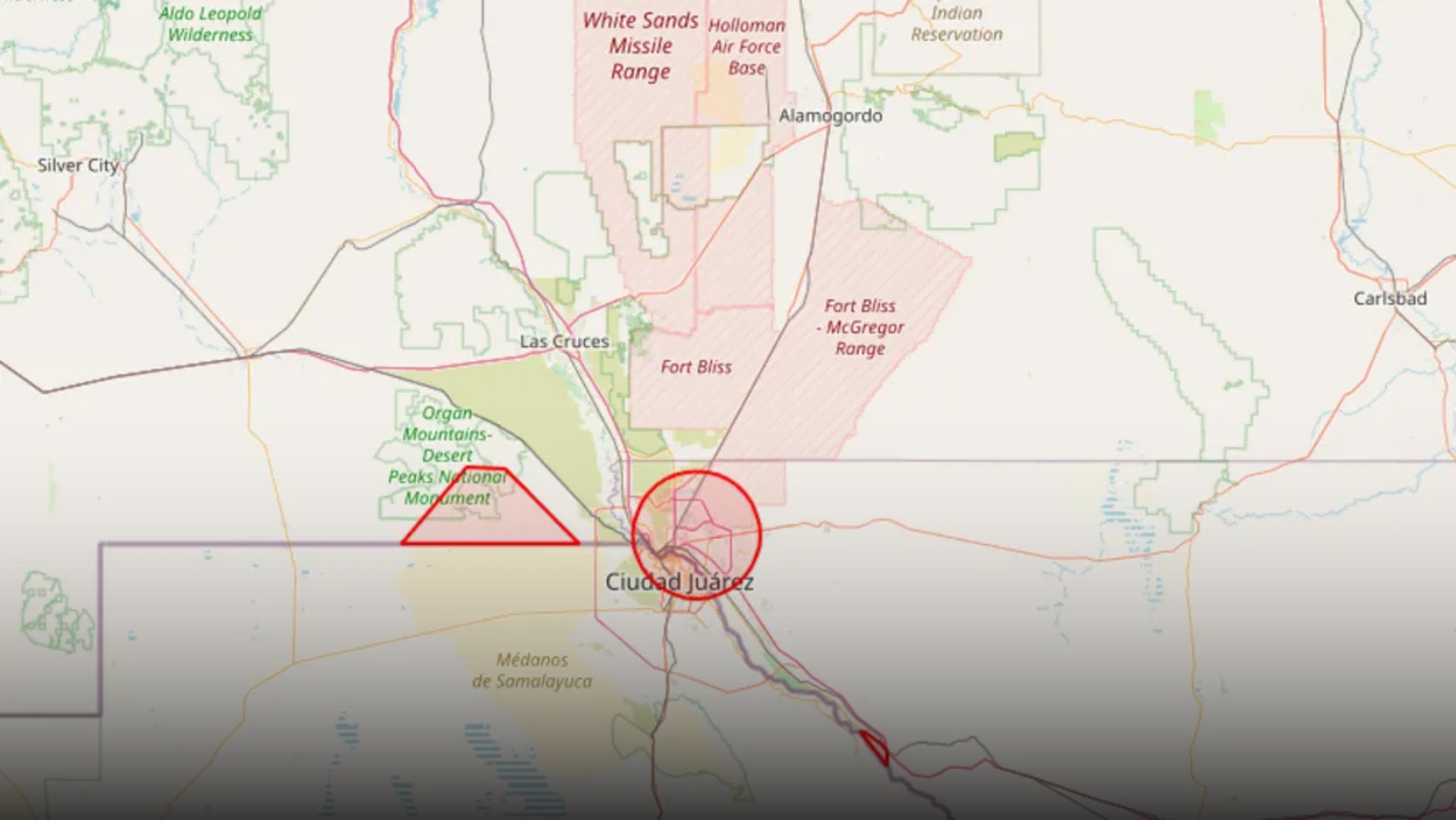
Defense authorities reported that multiple unmanned aerial vehicles crossed into U.S. airspace late Tuesday evening. These drones, primarily intended for surveillance, were promptly intercepted and disabled by federal counter-drone teams. The restricted airspace covered a roughly 10-mile radius around El Paso, extending into southern portions of New Mexico.
The sudden closure disrupted travel schedules and created confusion for airport staff and passengers. City officials confirmed they were not informed about the closure in advance,” a local source said “The notification came overnight, just as residents were learning about it through emergency alerts.”
Local Leaders Voice Concern Over Communication Gaps
El Paso’s mayor described the situation as unsettling for the local community. Emergency medical flights were rerouted, and an urgent delivery of surgical supplies was delayed during the brief shutdown. City authorities continue to request a formal explanation from federal agencies regarding the sudden enforcement of airspace restrictions and the scope of the drone activity.
Airport officials reported that operations were suspended with minimal notice, resulting in confusion among travelers. “Passengers were being told flights were proceeding on schedule while operations were effectively halted,” stated an airport spokesperson.
Cartel Drone Operations Along the Border
Border security experts note that Mexican cartels frequently use drones to monitor law enforcement movements and aid in smuggling operations. While no direct threat to civilians was identified in this case, the incident highlights the risks posed by unauthorized drone activity near sensitive military and civilian installations, including Fort Bliss and White Sands Missile Range.
Authorities confirmed that the detected drones were conducting reconnaissance rather than offensive actions. Temporary airspace restrictions are standard in counter-drone operations, as electronic warfare systems may interfere with commercial aviation systems.
FAA and Defense Agencies Coordinate Rapidly
The FAA, in partnership with the Department of Defense, took immediate steps to neutralize the drone threat and restore airspace safety. Officials emphasized that decisions like this, though disruptive, prioritize public safety above all else.
“The quick reopening of El Paso airspace illustrates that federal agencies can respond effectively to potential threats while keeping civilian flights on track,” said an FAA representative.
Impact on Travelers and Local Businesses
The airspace closure led to delays for travelers and disrupted logistics for businesses dependent on timely cargo delivery. Airlines had to adjust flight schedules, while passengers reported confusion at check-in counters.
Regional business leaders highlighted the importance of secure and accessible airspace for economic stability. “El Paso International Airport plays a vital role in travel and commerce,” said a local chamber of commerce official. The incident highlights the importance of ongoing vigilance and readiness along the US-Mexico border.
Border Security and Criminal Networks
The El Paso drone incident has intensified concerns about border security and the technological capabilities of criminal organizations operating near U.S. territory. Analysts point out that drones are increasingly used by cartels for surveillance and strategic planning, making rapid federal responses essential.
“The use of drones by criminal groups presents a growing challenge for law enforcement,” said a national security expert. Collaboration between federal and local authorities is essential to address such security risks effectively,” officials noted.
Community Response and Safety Measures
Residents expressed relief that the airspace is now fully operational and that no injuries occurred. However, concerns about the lack of prior notification remain. City officials have pledged to improve communication channels to ensure residents and businesses are better informed in future emergencies.
FAA Emphasizes Public Safety and Preparedness
The FAA reiterated its commitment to ensuring safe and reliable airspace operations while addressing potential threats. Officials highlighted that precautionary measures, such as the temporary closure, are intended to protect civilians and critical infrastructure without causing long-term disruption.
Ensuring public safety while resuming normal airport operations promptly remains our top priority,” the FAA stated, adding that such measures show their capability to respond quickly to unexpected border incidents.
Lessons for Strengthening Border Security
Security analysts suggest that the incident underscores the need for enhanced monitoring systems and more robust counter-drone strategies. Real-time intelligence sharing between federal, state, and local authorities is crucial to prevent future incursions that could threaten civilian and military targets.
As drone technology becomes increasingly accessible, law enforcement agencies will need to adapt quickly to mitigate risks associated with unauthorized flights. This event has renewed discussions about stricter regulations and proactive measures to secure U.S. airspace along the southern border.
Looking Ahead: Continued Vigilance Required
While the immediate threat has been neutralized and normal operations have resumed, federal officials caution that vigilance remains essential. Continuous monitoring and collaborative intelligence efforts will help prevent similar incidents in the future.
The reopening of El Paso’s airspace provides relief for residents and travelers while reinforcing the importance of proactive safety measures along U.S. borders. Federal agencies reaffirm their commitment to rapid response and public protection as part of broader border security strategies.
For more updates on U.S. border security and aviation safety, visit our homepage here.


Just want to say your article is as amazing. The clarity in your post is simply excellent and i can assume you’re an expert on this subject. Fine with your permission let me to grab your feed to keep updated with forthcoming post. Thanks a million and please keep up the gratifying work.