
White House skips Trump Iran ceasefire address amid fragile deal concerns
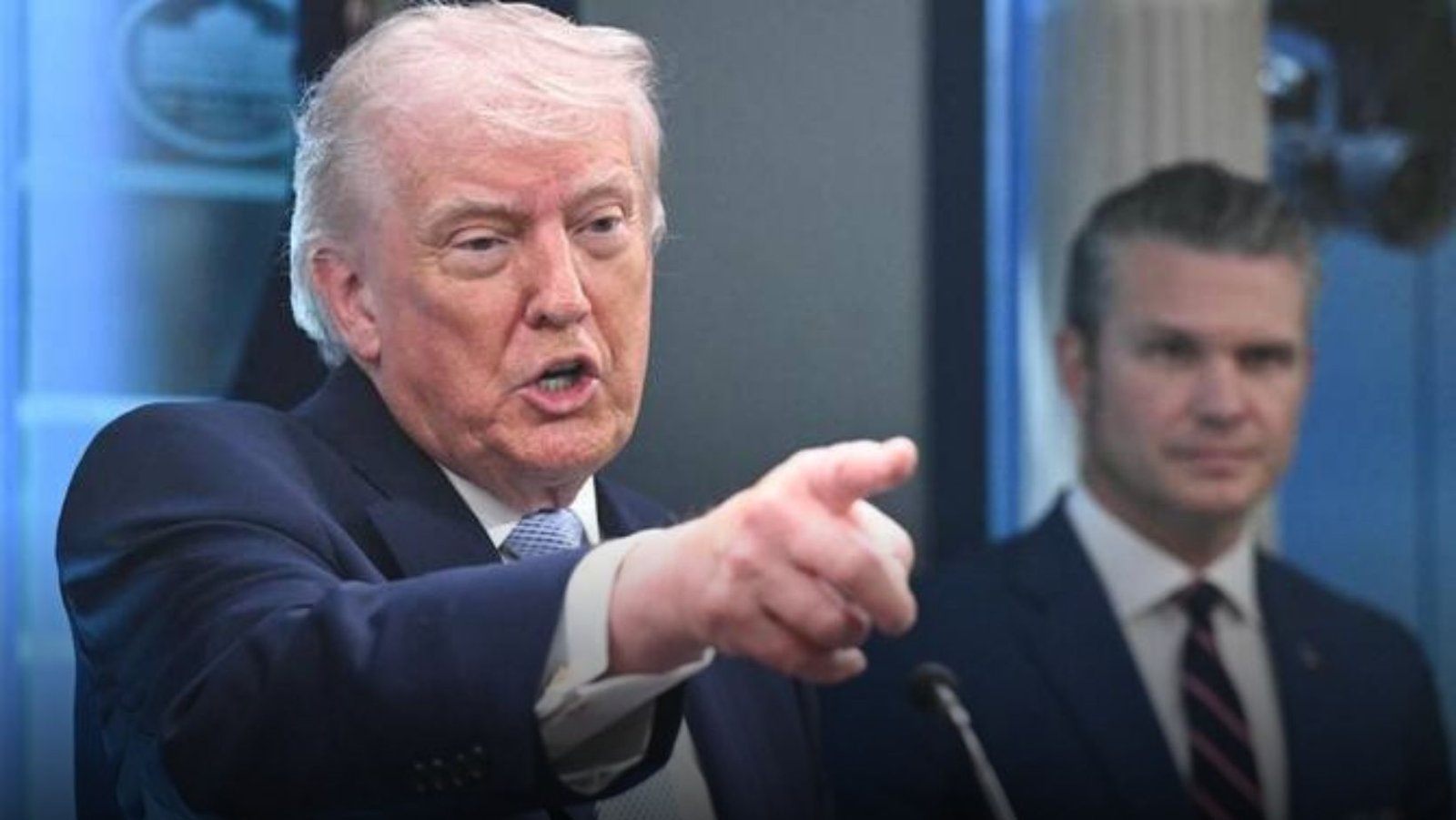
White House skips Trump Iran ceasefire address as officials cite uncertainty over deal clarity
The White House opted against a national televised address by President Donald Trump regarding the Iran ceasefire, reflecting internal concerns about the fragile and uncertain nature of the agreement.
According to US officials, the decision came after discussions among senior aides who questioned whether the administration had enough clarity to present the deal confidently to the American public. The White House skips Trump Iran ceasefire address decision highlights the delicate balance between projecting strength and avoiding premature commitments.
Internal Debate Over Address
Sources revealed that President Trump was initially in favor of delivering a televised speech to explain the ceasefire and its implications. However, advisers reportedly urged caution, arguing that key elements of the agreement were still evolving.
Despite these internal discussions, the White House publicly denied that the idea had reached the president, dismissing reports as inaccurate. Still, officials familiar with the matter confirmed that the White House skips Trump Iran ceasefire address was the result of behind-the-scenes deliberations.
Concerns Over Deal Clarity
One of the primary reasons for canceling the address was the lack of detailed understanding of the ceasefire terms. Advisers were still working to define the specifics of the agreement, including enforcement mechanisms and compliance expectations.
Officials believed that addressing the nation without clear details could risk miscommunication or undermine credibility if the situation changed rapidly. The White House skips Trump Iran ceasefire address reflects concerns about overselling a deal that remains uncertain.
Sudden Policy Shift
The ceasefire itself marked a dramatic shift in US policy. Just hours before announcing the agreement, President Trump had warned of severe consequences for Iran if demands were not met.
Instead of a formal speech, Trump announced the ceasefire through a social media post, signaling a rapid change in approach. The White House skips Trump Iran ceasefire address illustrates how quickly the administration adjusted its messaging strategy.
Upcoming Talks in Islamabad
The ceasefire has paved the way for high-level negotiations between the United States and Iran, scheduled to take place in Islamabad. These talks are expected to determine whether the temporary truce can evolve into a more permanent settlement.
Vice President JD Vance is set to lead the US delegation, emphasizing the administration’s willingness to engage in good faith negotiations. The White House skips Trump Iran ceasefire address comes just ahead of these critical discussions.
Strait of Hormuz Remains a Concern
Despite the ceasefire, major issues remain unresolved. The Strait of Hormuz, a vital global oil route, continues to face disruptions, affecting international energy markets.
Additionally, ongoing clashes involving Iranian-backed groups in the region have raised questions about the scope and effectiveness of the ceasefire. The White House skips Trump Iran ceasefire address decision reflects uncertainty surrounding these unresolved challenges.
Regional Tensions Persist
While US and Israeli airstrikes on Iran have paused, parallel conflicts continue in other areas, particularly in Lebanon. Exchanges of fire between Israeli forces and Hezbollah have not been fully contained by the ceasefire agreement.
Both Washington and Tehran have accused each other of violations, further complicating the situation. The White House skips Trump Iran ceasefire address highlights the fragile environment in which the agreement is unfolding.
Lack of Trust Between Parties
Analysts point to a deep lack of trust between the United States and Iran as a major obstacle to lasting peace. Previous diplomatic efforts have been undermined by sudden policy shifts and conflicting actions.
President Trump’s earlier decisions, including withdrawing from past agreements and launching military operations, continue to influence current negotiations. The White House skips Trump Iran ceasefire address underscores the challenges of rebuilding trust.
Military Impact and Strategic Outlook
US officials claim that recent military operations have significantly weakened Iran’s capabilities. However, experts warn that Iran remains a complex and resilient adversary.
The country’s ability to influence global energy markets through the Strait of Hormuz gives it significant leverage. The White House skips Trump Iran ceasefire address reflects awareness of these strategic realities.
Uncertain Future of the Ceasefire
As negotiations approach, uncertainty continues to define the situation. The success of the ceasefire will depend on both sides adhering to its terms and engaging constructively in dialogue.
Analysts caution that without clear agreements and enforcement mechanisms, the truce could collapse. The White House skips Trump Iran ceasefire address signals that even US officials remain cautious about the path ahead.
Conclusion
The decision to avoid a televised address highlights the complexity of the Iran ceasefire and the challenges facing US diplomacy. While the agreement offers a temporary pause in hostilities, significant questions remain about its durability.
The White House skips Trump Iran ceasefire address reflects a cautious approach as the administration navigates a volatile geopolitical landscape. The coming negotiations will play a crucial role in determining whether the ceasefire can lead to lasting peace or renewed conflict.
For more updates on US foreign policy, Iran negotiations, and global security developments, follow ongoing coverage on TimeOfGulf.