US Israel Iran agree 2 week ceasefire Strait deal amid rising Middle East tensions
US Israel Iran agree 2 week ceasefire Strait deal to ease conflict pressure
The United States, Israel, and Iran have agreed to a temporary two-week ceasefire in a significant move aimed at reducing escalating tensions across the Middle East. The breakthrough comes after weeks of intense conflict and growing fears of a wider regional war that could disrupt global energy supplies and destabilize key international routes.
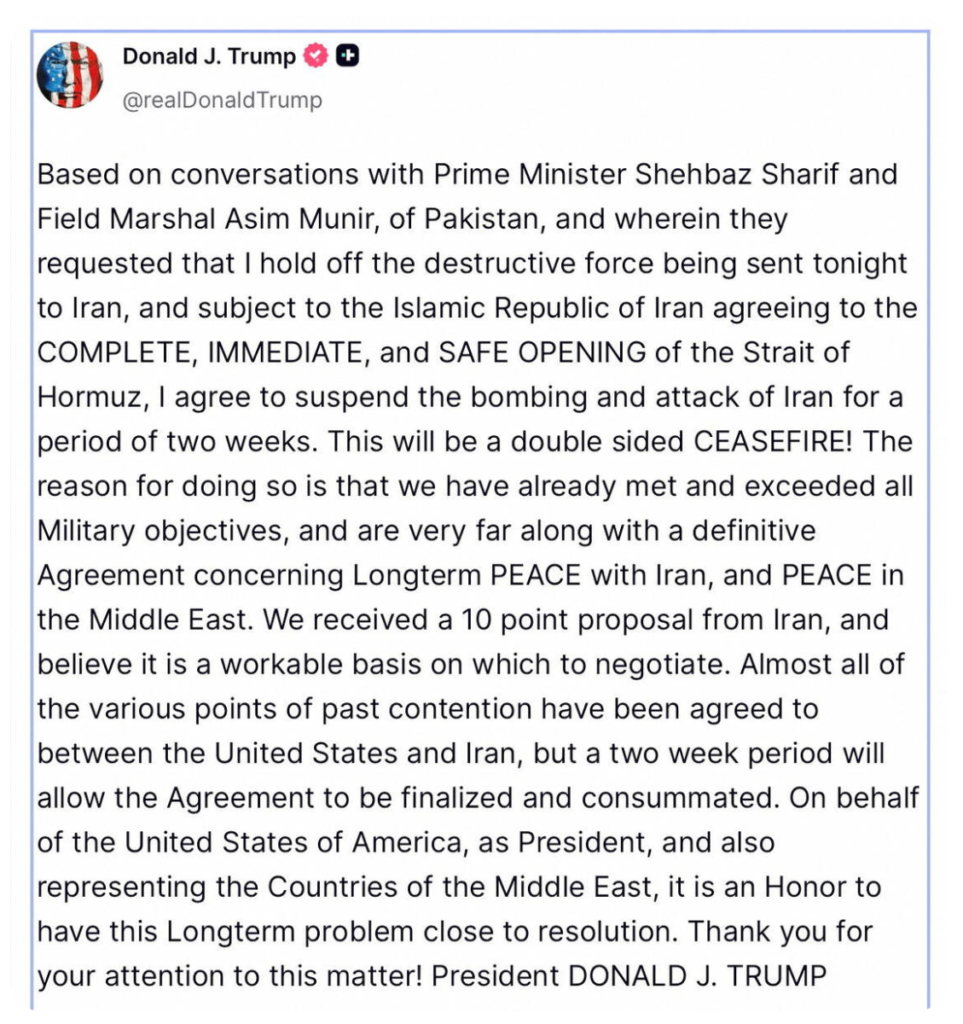
The agreement was reached just hours before a critical deadline set by U.S. President Donald Trump, who had earlier warned of expanded military strikes if Iran failed to comply with key demands. Instead, the decision to pause offensive operations signals a shift toward diplomacy, offering a narrow window for negotiations to take place.
Ceasefire Terms and Immediate Impact
Under the agreement, all sides will suspend major offensive operations for a period of two weeks. This pause is intended to allow diplomatic discussions to progress and to reduce immediate threats to civilian infrastructure and regional stability.
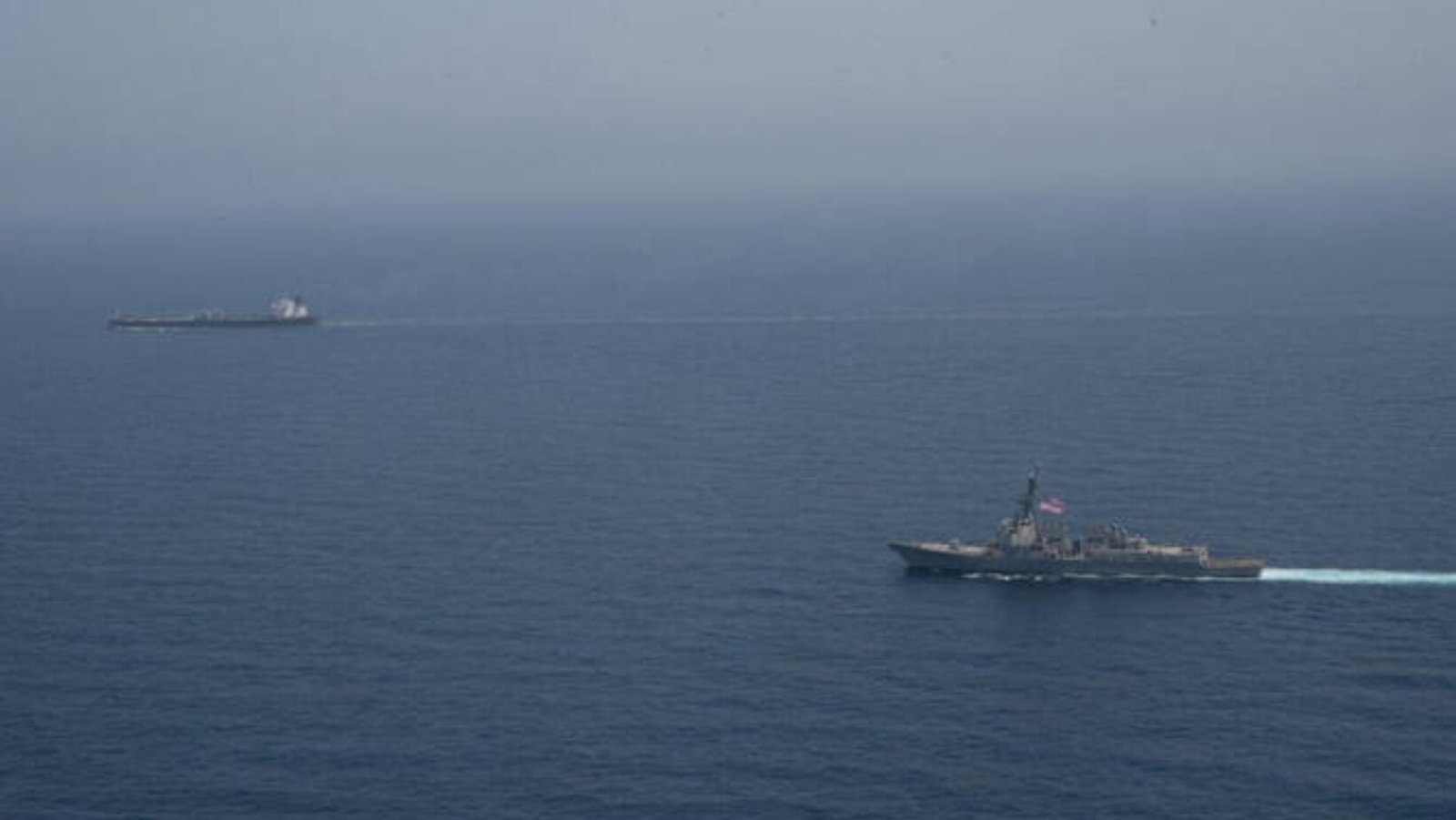
One of the central elements of the deal involves the Strait of Hormuz, a vital global oil transit route. Iran has agreed to allow controlled passage through the strait during the ceasefire period, easing concerns over disruptions to international oil markets. However, the waterway will remain under Iranian military management, raising questions about long-term access and control.
The US Israel Iran agree 2 week ceasefire Strait deal has already had an immediate calming effect on global markets, although uncertainty remains about what will happen once the two-week period ends.
Diplomatic Push Behind the Agreement
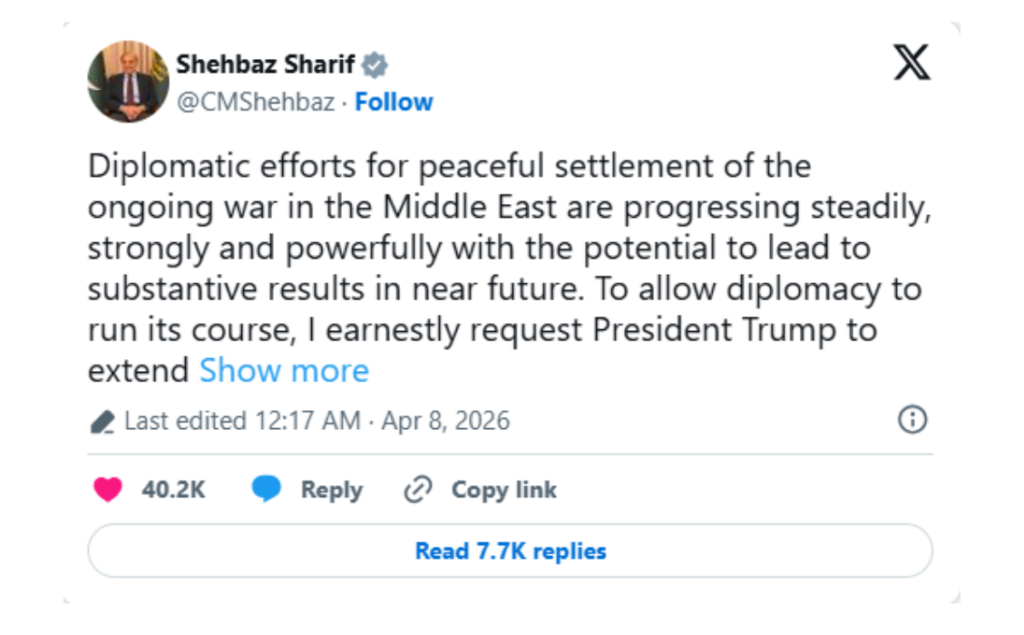
The ceasefire follows intense diplomatic engagement involving multiple countries. Pakistan played a key role in urging both sides to allow more time for negotiations, emphasizing the importance of avoiding further escalation.
U.S. leadership signaled willingness to reconsider military action after discussions with regional partners, while Iran indicated it was open to a structured negotiation framework. The agreement reflects a rare moment of alignment among the involved parties, even as deep mistrust continues to shape their relations.
The US Israel Iran agree 2 week ceasefire Strait deal is being viewed as a critical opportunity to explore longer-term solutions to the conflict, though officials caution that success is far from guaranteed.
Military Developments and Ongoing Risks
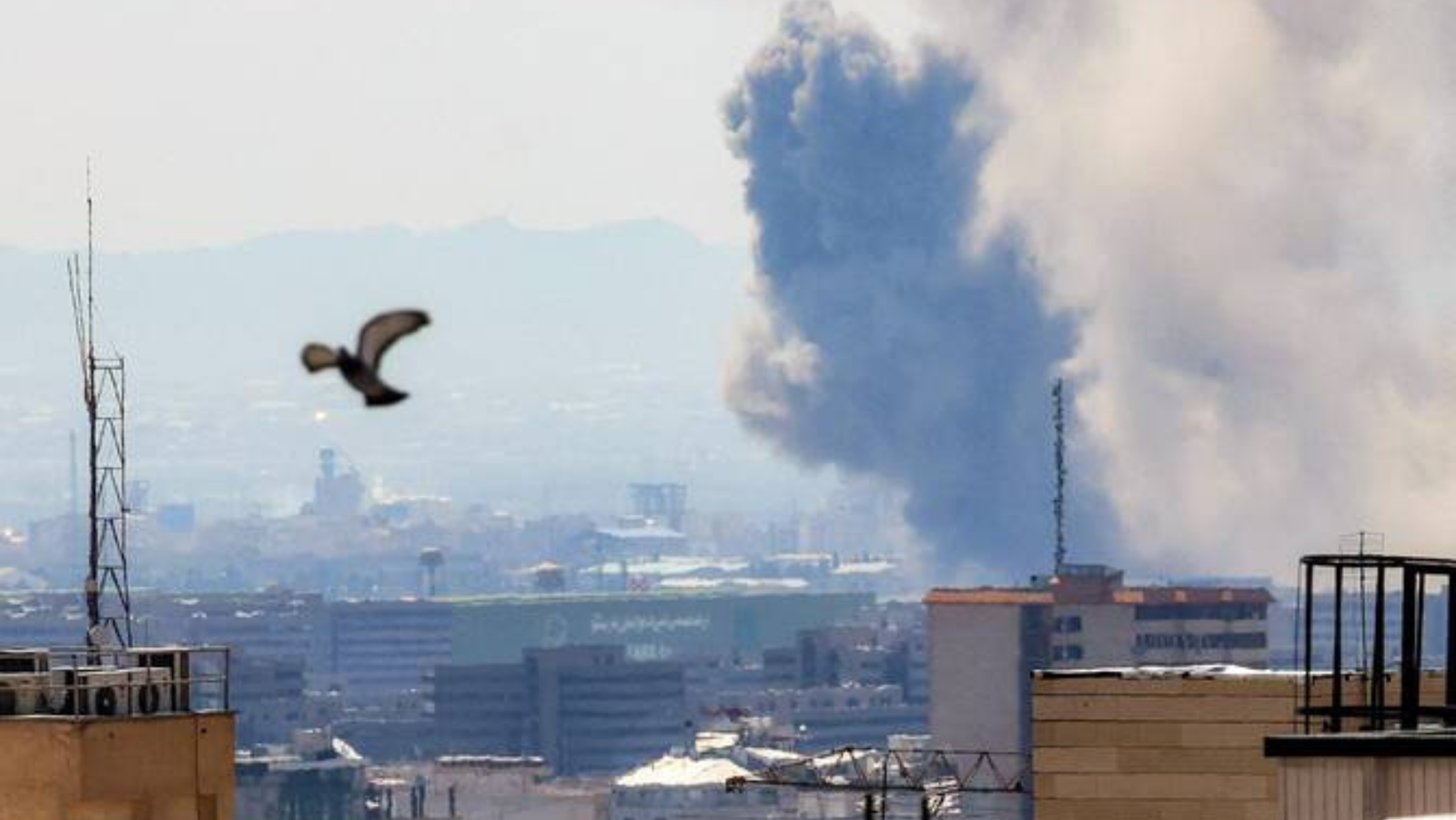
Despite the ceasefire announcement, tensions remain high across the region. Missile alerts were reported in several Gulf countries, highlighting the fragile nature of the situation. Defensive military operations are still ongoing, even as offensive strikes have been paused.
The conflict, which began earlier this year, has already caused significant damage to infrastructure and raised concerns about broader regional instability. Airstrikes targeting key facilities, including transport and energy infrastructure, have intensified fears of humanitarian and economic fallout.
The US Israel Iran agree 2 week ceasefire Strait deal does not eliminate these risks but provides a temporary pause that could prevent further escalation if managed carefully.
Key Demands and Negotiation Challenges
Iran has outlined several conditions for a more permanent resolution, including changes to regional military presence, easing of sanctions, and access to financial assets. These demands reflect broader geopolitical concerns and highlight the complexity of reaching a lasting agreement.
On the other side, the United States and Israel remain focused on limiting Iran’s military capabilities and ensuring stability in strategic regions. These competing priorities make negotiations particularly challenging, even during the ceasefire period.
The US Israel Iran agree 2 week ceasefire Strait deal is therefore seen as an initial step rather than a final solution, with many difficult issues still unresolved.
Global and Economic Implications
The Strait of Hormuz plays a crucial role in global energy supply, with a significant portion of the world’s oil passing through it daily. Any disruption to this route can have immediate effects on global markets, making the ceasefire particularly important for economic stability.
By allowing limited passage through the strait, the agreement reduces the risk of a major supply shock. However, the continued military oversight of the waterway means that the situation remains sensitive and could change quickly.
The US Israel Iran agree 2 week ceasefire Strait deal has been closely monitored by global markets, energy companies, and governments concerned about the potential for further disruptions.
Uncertain Path Ahead
While the ceasefire represents a positive development, its success depends on strict adherence by all parties involved. Previous attempts at de-escalation in the region have often collapsed due to renewed hostilities and mutual accusations.
Analysts warn that the two-week window may not be sufficient to resolve deeply rooted issues, but it does provide a rare chance for dialogue. The coming days will be critical in determining whether the ceasefire can lead to a more comprehensive agreement or if tensions will rise again once the pause ends.
The US Israel Iran agree 2 week ceasefire Strait deal will likely shape the next phase of the conflict and influence broader geopolitical dynamics in the Middle East.
Conclusion
The agreement between the United States, Israel, and Iran marks a crucial moment in an otherwise volatile conflict. By stepping back from immediate escalation, all sides have created space for diplomacy and reduced the risk of further destruction.
However, the path to lasting peace remains uncertain. The US Israel Iran agree 2 week ceasefire Strait deal offers hope for de-escalation, but its success will depend on continued dialogue, mutual restraint, and the willingness of all parties to move beyond confrontation toward a sustainable resolution.
For more updates on Middle East tensions, global oil routes, and diplomatic developments, visit TimeOfGulf for continuous coverage.