

Austrian Climber Goes on Trial Over Girlfriend’s Death After Fatal Winter Ascent
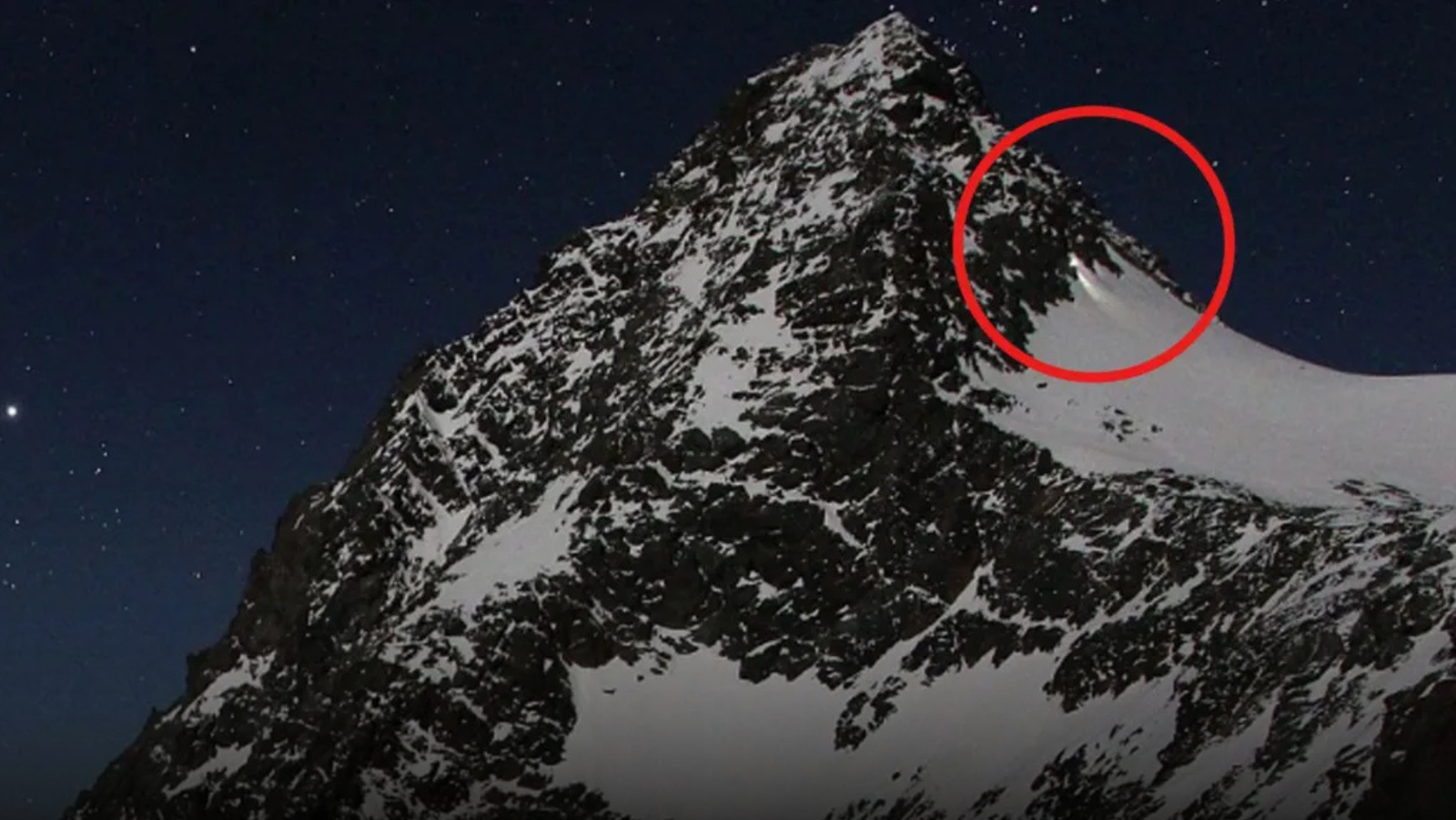
Austrian court examines alleged gross negligence after 33-year-old German woman dies on the country’s tallest peak during a hazardous winter climb
INNSBRUCK, Austria – A 33-year-old German woman tragically froze to death on the Grossglockner last year, prompting a legal battle over responsibility for high-risk mountaineering decisions. Her boyfriend, now standing trial in Innsbruck, faces charges of gross negligent manslaughter following what prosecutors describe as a preventable winter ascent on Austria’s highest peak.
Kerstin G, an experienced climber from Germany, succumbed to hypothermia on 19 January 2025 during an ambitious winter climb alongside her partner, identified locally as Thomas P. Authorities contend that Thomas, who possessed greater high-altitude climbing experience, assumed the role of “responsible guide” and failed to adequately protect his companion under extreme alpine conditions.
Timeline of the fatal climb
Prosecutors argue that the pair set off later than advisable, encountering winds of up to 74 km/h (45 mph) and temperatures dropping to -8°C, with windchill values reaching -20°C. Despite the harsh environment, the defendant allegedly pressed onward, lacking essential emergency equipment and allowing his partner to wear snowboard-style soft boots, unsuitable for technical alpine terrain.
Evidence presented includes webcam footage capturing torchlight moving across the mountainside late in the evening, suggesting that the climbers were still attempting the ascent well after dark. Prosecutors maintain that no emergency call was made during a critical period when a police helicopter passed nearby at approximately 22:50.
According to legal authorities, Kerstin G began showing severe exhaustion around midnight. At 00:35, Thomas P reportedly contacted mountain police, but officials claim that he provided insufficient information about their location and situation. Subsequently, his phone was turned off, delaying formal rescue efforts.
Prosecutors further state that around 02:00, the defendant left Kerstin alone to seek help without providing adequate protection from the freezing conditions, despite having access to emergency gear. Mountain rescue teams were not formally notified until 03:30, and high winds prevented helicopter intervention during the night. Kerstin G ultimately perished alone in the snow just below the summit cross of Grossglockner.
Legal debate over responsibility in extreme conditions
The case has sparked a broader debate in the mountaineering community regarding the responsibilities of more experienced climbers during high-risk expeditions. Austrian prosecutors argue that failure to turn back or call for timely assistance constitutes criminal negligence, emphasizing the preventable nature of Kerstin G’s death.
In defense, Thomas P’s lawyer, Kurt Jelinek, described the tragedy as an accident rather than a criminal act. He highlighted that both climbers had agreed to the expedition, possessed relevant alpine experience, and believed they were prepared for the winter climb. “Neither initially appeared exhausted,” Jelinek noted, stressing that the climbers made joint decisions throughout the ascent.
Legal experts suggest that the trial could set an important precedent regarding accountability in adventure sports. The central question is how far personal responsibility extends when experienced mountaineers undertake extreme activities and how negligence is defined under Austrian law in life-threatening outdoor scenarios.
Mountaineering community reactions
The incident has reignited discussions within international climbing circles about risk management, equipment standards, and decision-making in high-altitude winter conditions. Some mountaineers argue that personal freedom and informed risk-taking are essential to the sport, while others insist that clear responsibilities must exist when one participant has greater expertise.
Industry specialists note that similar cases could influence future safety protocols, emergency planning, and liability insurance requirements for organized expeditions. Winter climbs on peaks like Grossglockner are inherently dangerous, and minor errors can have fatal consequences. This trial may also affect how alpine guides, tour operators, and climbing partners evaluate risk before embarking on technical ascents.
Possible penalties and broader implications
If convicted, the defendant could face a prison term of up to three years. Legal analysts say the ruling may clarify how Austrian courts interpret negligence in extreme sports and potentially influence regulations governing mountaineering activities.
Authorities emphasize that high-altitude climbs carry substantial risks, particularly during winter months when weather conditions can deteriorate rapidly. The Grossglockner, standing at 3,798 meters (12,460 feet), is notorious for sudden storms and severe cold, making adequate preparation and timely decision-making essential for survival.
While the case revolves around individual choices, it also highlights the importance of preparedness, including proper footwear, emergency bivouac equipment, and adherence to recommended ascent schedules. Experts stress that climbers must continually assess conditions and be willing to abandon summits if safety cannot be guaranteed.
Safety lessons and future precautions
The tragedy has prompted mountaineering authorities in Austria to issue reminders about winter climbing hazards. Climbers are advised to review weather forecasts carefully, carry comprehensive emergency gear, and ensure effective communication protocols in case of accidents. Additionally, experienced partners are encouraged to make conservative decisions when leading less-experienced companions.
As the trial continues, the mountaineering world watches closely, recognizing the case’s potential to influence not only legal interpretations but also cultural attitudes toward risk in adventure sports. The outcome could redefine what constitutes acceptable responsibility during high-risk climbs and provide clarity for climbers worldwide.
For ongoing coverage of this trial and other mountaineering safety news, check our latest updates and reports on our website.
I adore reading through and I conceive this website got some genuinely useful stuff on it! .