Trump Iran talks refusal amid Strait Hormuz crisis escalates tensions in Gulf region
Trump Iran talks refusal amid Strait Hormuz crisis raises global oil and security concerns
The latest developments in US-Iran relations highlight growing uncertainty after Donald Trump signaled he is not concerned about Iran returning to negotiations. His remarks followed unsuccessful talks held in Pakistan, which failed to produce a diplomatic breakthrough between the two sides.
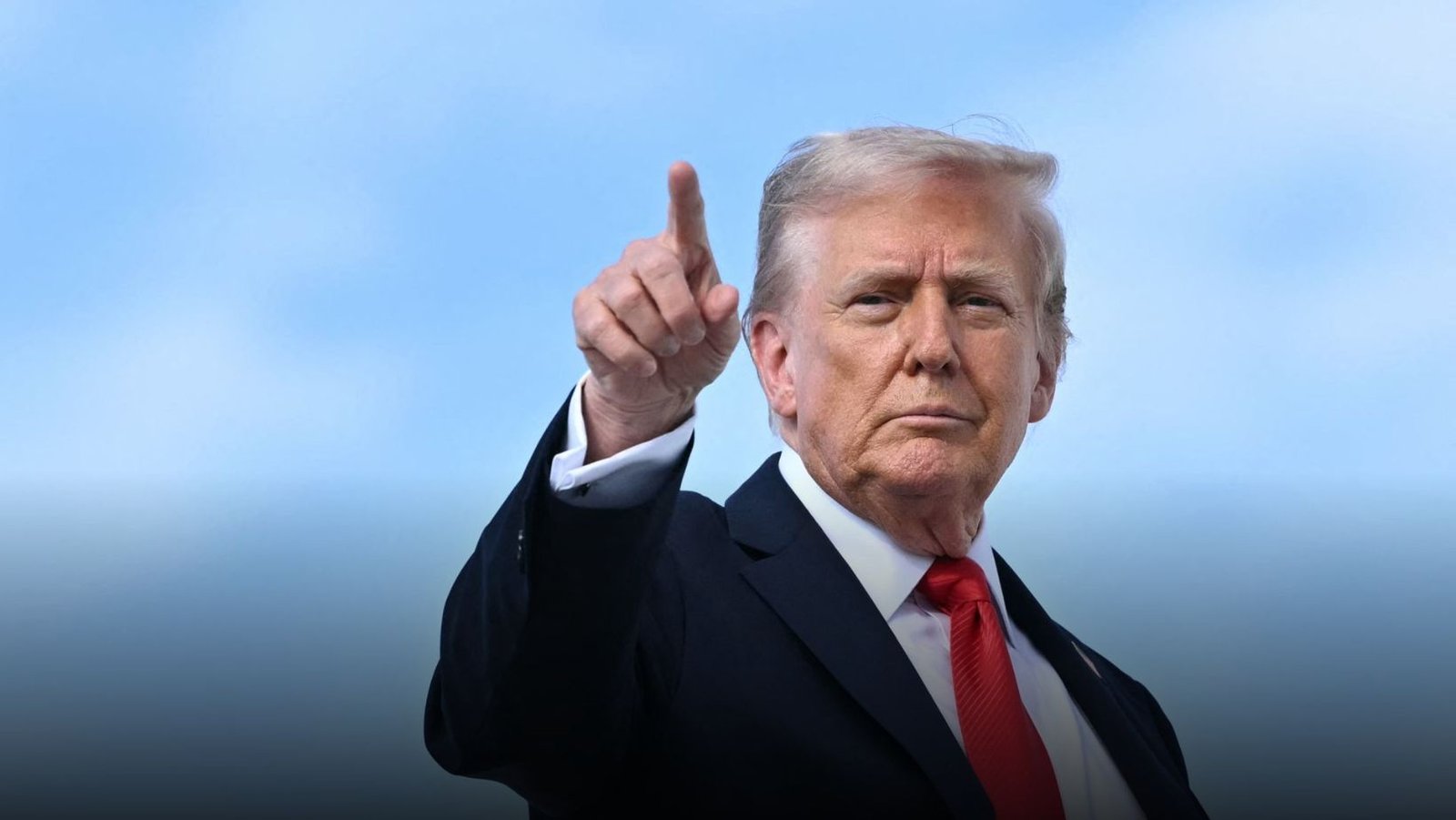
Speaking to reporters after returning to Maryland, Trump made it clear that the United States is prepared to move forward regardless of Iran’s decision. While he acknowledged the possibility of future discussions, his tone suggested that Washington is not relying on diplomacy as the primary path forward.
The Trump Iran talks refusal amid Strait Hormuz crisis comes at a time when regional tensions are already high. The collapse of negotiations has further complicated efforts to stabilize the situation, especially after a fragile ceasefire had briefly reduced hostilities.
US Iran tensions rise after failed negotiations
In a significant move, the United States announced plans to begin a maritime blockade targeting Iranian ports. According to US Central Command, the operation aims to restrict vessels entering or leaving Iranian coastal areas while maintaining safe passage for ships not linked to Iran.
This decision reflects a tougher stance from Washington, signaling that diplomatic setbacks may now be followed by increased military and strategic pressure in the region.
Strait of Hormuz blockade impacts global shipping
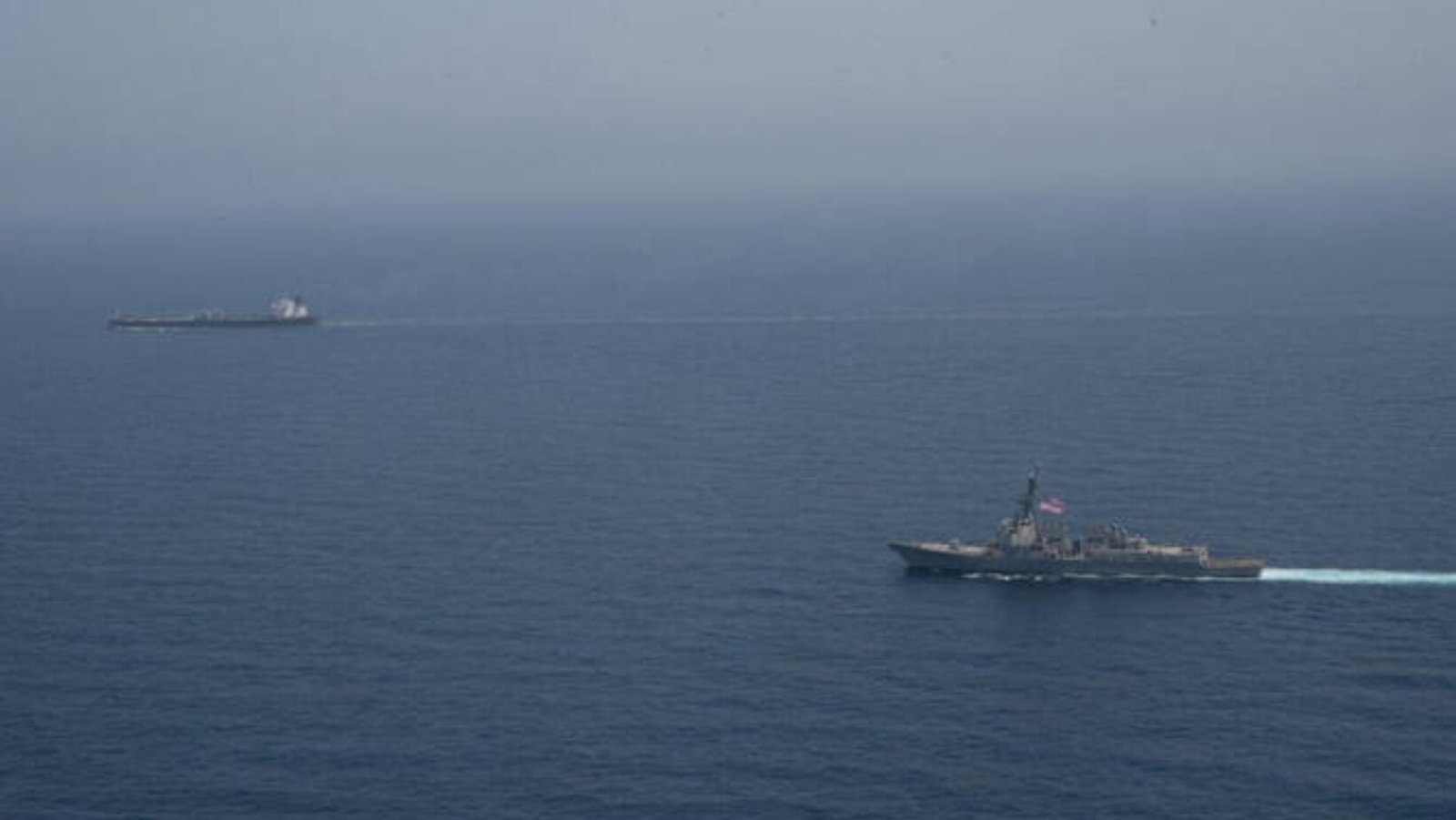
The announcement has had an immediate impact on shipping activity in the Strait of Hormuz, one of the most strategically important waterways in the world. Oil tankers and commercial vessels have started adjusting routes due to concerns about safety and potential military escalation.
Several ships have already altered their plans. One Malta-flagged tanker reportedly reversed its course after attempting to enter the Gulf, while others have delayed movements until the situation becomes clearer.
The Trump Iran talks refusal amid Strait Hormuz crisis is also raising concerns about global energy markets. The Strait of Hormuz handles a significant portion of the world’s oil supply, and any disruption can have immediate consequences for prices and availability.
Iran military warning and Gulf security risks
Iran has responded strongly to the US actions. The Islamic Revolutionary Guard Corps issued a warning that any foreign military presence near the strait could be considered a violation of the ceasefire agreement.
This exchange of warnings has increased fears of a direct confrontation. Even a minor incident in such a sensitive region could escalate quickly, affecting nearby countries and international shipping routes.
The Trump Iran talks refusal amid Strait Hormuz crisis continues to intensify concerns about regional stability and long-term security challenges.
Global oil supply risks and economic impact
Shipping data indicates that multiple tankers, including those linked to Pakistan and other countries, continue to operate in the region with caution. Some vessels are proceeding with planned routes, while others are waiting for clearer guidance.
The uncertainty has also affected insurance costs and operational planning for shipping companies. Higher risks in the region typically lead to increased premiums, which can ultimately impact global trade costs.
The Trump Iran talks refusal amid Strait Hormuz crisis is being closely monitored by global markets. Investors and policymakers are watching for any signs of escalation or resolution.
Donald Trump Iran policy shifts toward pressure strategy
The Trump Iran talks refusal amid Strait Hormuz crisis reflects a broader shift in US strategy, where military and economic pressure are being prioritized over diplomatic engagement.
Despite the current tensions, there is still a possibility that negotiations could resume in the future. Trump noted that talks could happen again, leaving the door open without immediate urgency.
Meanwhile, the US blockade plan continues to move forward, signaling a firm stance against Iran. The coming days will be critical in determining whether tensions escalate further or move toward de-escalation.
The Trump Iran talks refusal amid Strait Hormuz crisis remains a defining issue influencing geopolitical dynamics and global markets.
For more latest Gulf updates and breaking news, visit TimeOfGulf.