Rubio Warns Iraq Over Pro-Iran Government Shift
US raises concerns as Iraq faces political transition with possible return of Nouri al-Maliki and rising regional pressure
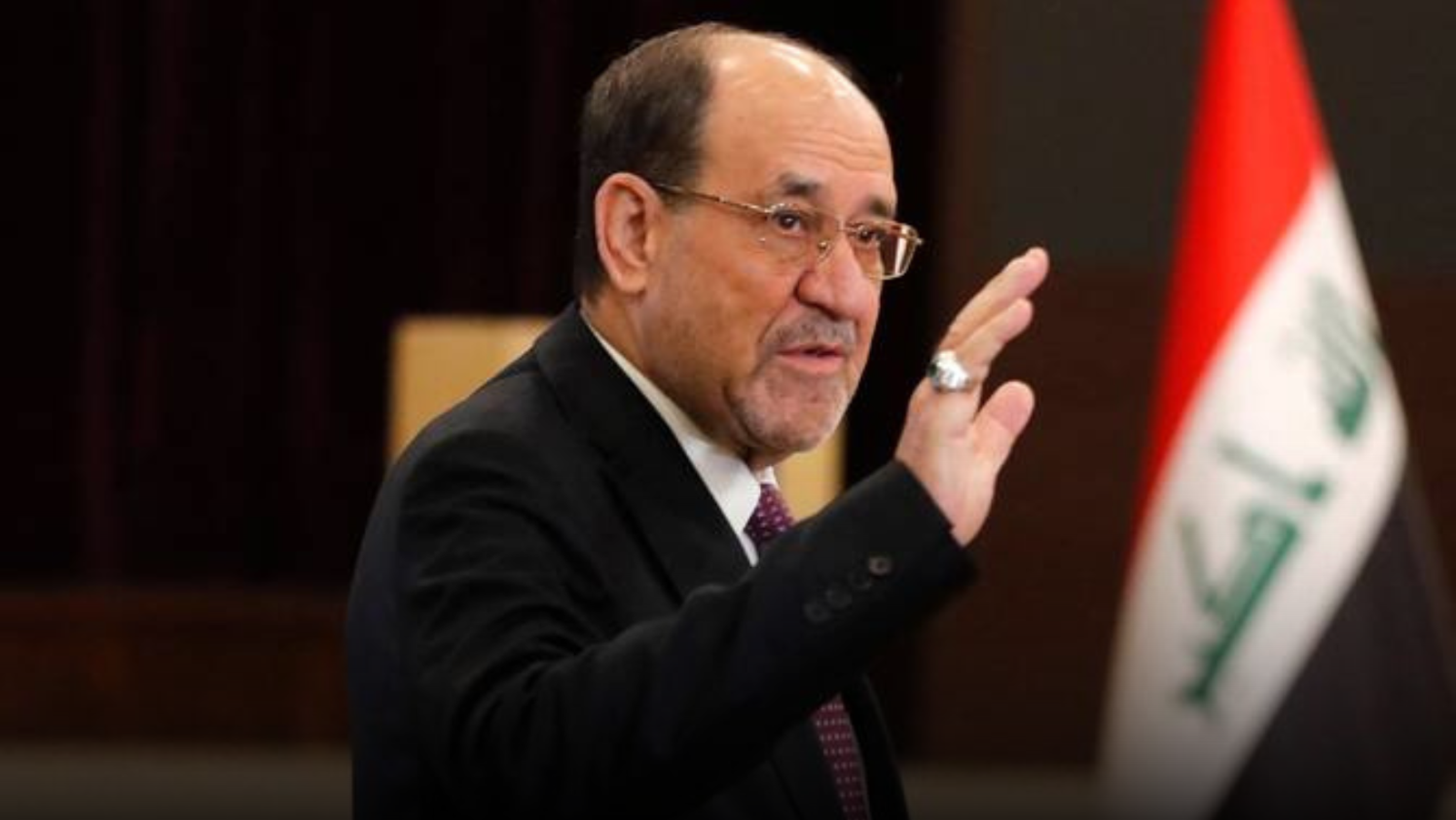
Baghdad: The United States has issued a firm warning to Iraq as political negotiations intensify over the formation of a new government, raising concerns about potential Iranian influence in Baghdad. US Secretary of State Marco Rubio cautioned Iraqi leaders against allowing external powers to shape the country’s political direction, as former prime minister Nouri al-Maliki prepares for a possible return to power.
The warning comes at a sensitive time for Iraq, where political factions are engaged in complex discussions following recent parliamentary developments. Iraq’s largest Shiite political bloc has nominated al-Maliki, a move that has triggered concern in Washington and among international observers who fear a shift in regional alignment.
US Concerns Over Iraq’s Political Direction
During a recent conversation with Iraqi Prime Minister Mohammed Shia al-Sudani, Rubio stressed the importance of maintaining Iraq’s independence and sovereignty. He emphasized that the formation of the next government should reflect the will of the Iraqi people and prioritize national interests above external influence.
Rubio highlighted that a government perceived as being heavily influenced by Iran could face difficulties in maintaining balanced diplomatic relations. According to US officials, such a development might impact Iraq’s ability to act as a stabilizing force in the Middle East and could complicate its partnerships with Western nations.
Washington has consistently supported a stable and sovereign Iraq, viewing it as a key partner in regional security and economic cooperation. Rubio’s warning reflects broader US concerns about maintaining that balance amid shifting political dynamics.
Political Developments and Leadership Uncertainty
Iraq is currently navigating a critical phase in its political process. Parliament is expected to elect a president, who will then formally appoint the next prime minister. This step is essential in shaping the country’s leadership and policy direction for the coming years.
The nomination of Nouri al-Maliki has added complexity to the situation. As a former prime minister, he remains a significant figure in Iraqi politics with strong support among certain factions. However, his potential return has also raised concerns among political rivals and international stakeholders.
Analysts note that Iraq’s political environment is deeply influenced by alliances and shifting power dynamics. Government formation often requires consensus among diverse groups, making negotiations lengthy and challenging.
Iran’s Influence and Regional Dynamics
Iran has long maintained a strong presence in Iraq’s political and security landscape. Its influence extends through political alliances, economic ties, and security cooperation with various groups.
US officials have repeatedly expressed concerns that increased Iranian influence could undermine Iraq’s sovereignty and limit its ability to pursue an independent foreign policy. Rubio’s latest remarks reinforce this position, emphasizing the importance of preventing external dominance in Iraq’s governance.
At the same time, Iraq’s leadership must navigate its relationships carefully. Maintaining ties with both the United States and Iran is a delicate balancing act, as both countries play significant roles in the region.
Regional and Global Implications
The outcome of Iraq’s government formation process will have broader implications beyond its borders. A shift toward a government perceived as aligned with Iran could alter regional dynamics, affecting alliances, security arrangements, and economic partnerships.
For the United States, Iraq remains a vital partner in counterterrorism efforts and regional stability initiatives. Ensuring that Iraq remains independent and balanced in its foreign policy is a key strategic priority for Washington.
Other global and regional actors are also closely monitoring developments. Iraq’s political direction is seen as a crucial factor in maintaining stability in the Middle East, particularly given ongoing tensions in the region.
Domestic Challenges and Public Expectations
Within Iraq, citizens are looking for a government that can deliver stability, economic growth, and improved public services. Years of political uncertainty, economic challenges, and security concerns have increased public demand for effective governance.
The potential return of al-Maliki has generated mixed reactions among the population. While some view his experience as valuable, others are cautious due to concerns about past policies and political divisions.
Public trust in political institutions remains fragile, and the formation of a new government will need to address these concerns. Transparency, accountability, and a focus on national unity are expected to be key priorities.
Strategic Balance and Future Outlook
Iraq’s leadership faces a crucial moment in determining the country’s future direction. Balancing domestic priorities with international expectations will require careful decision-making and strategic planning.
Rubio’s warning underscores the importance of maintaining a government that reflects Iraq’s national interests. The United States has signaled its willingness to continue supporting Iraq, but this support may depend on the nature and direction of the new leadership.
At the same time, Iraqi officials are expected to continue engaging with regional partners to ensure stability and cooperation. This includes managing relationships with neighboring countries while safeguarding national sovereignty.
Moving Toward Government Formation
As negotiations continue, political leaders are working to build consensus and form a government that can address both internal and external challenges. The process is expected to remain complex, with multiple factions seeking to secure influence and representation.
Observers believe that the coming weeks will be critical in determining Iraq’s political trajectory. Decisions made during this period will shape the country’s governance, economic policies, and international relations for years to come.
Conclusion
In conclusion, Rubio warns Iraq over pro-Iran government shift, highlighting growing international concern over the country’s political direction during a pivotal transition period. The potential return of Nouri al-Maliki and the influence of regional powers have intensified scrutiny from the United States and other global actors.
As Iraq moves forward with forming its next government, the choices made in Baghdad will have far-reaching consequences for national stability, regional balance, and global partnerships. Ensuring an independent, balanced, and inclusive political framework will be essential for securing the country’s future and maintaining its role as a stabilizing force in the Middle East.
For more breaking news and latest global updates, visit Time of Gulf for trusted coverage on politics, conflicts, and world events.