

Pakistan hospital syringe reuse HIV outbreak case exposes unsafe medical practices in Punjab 2026
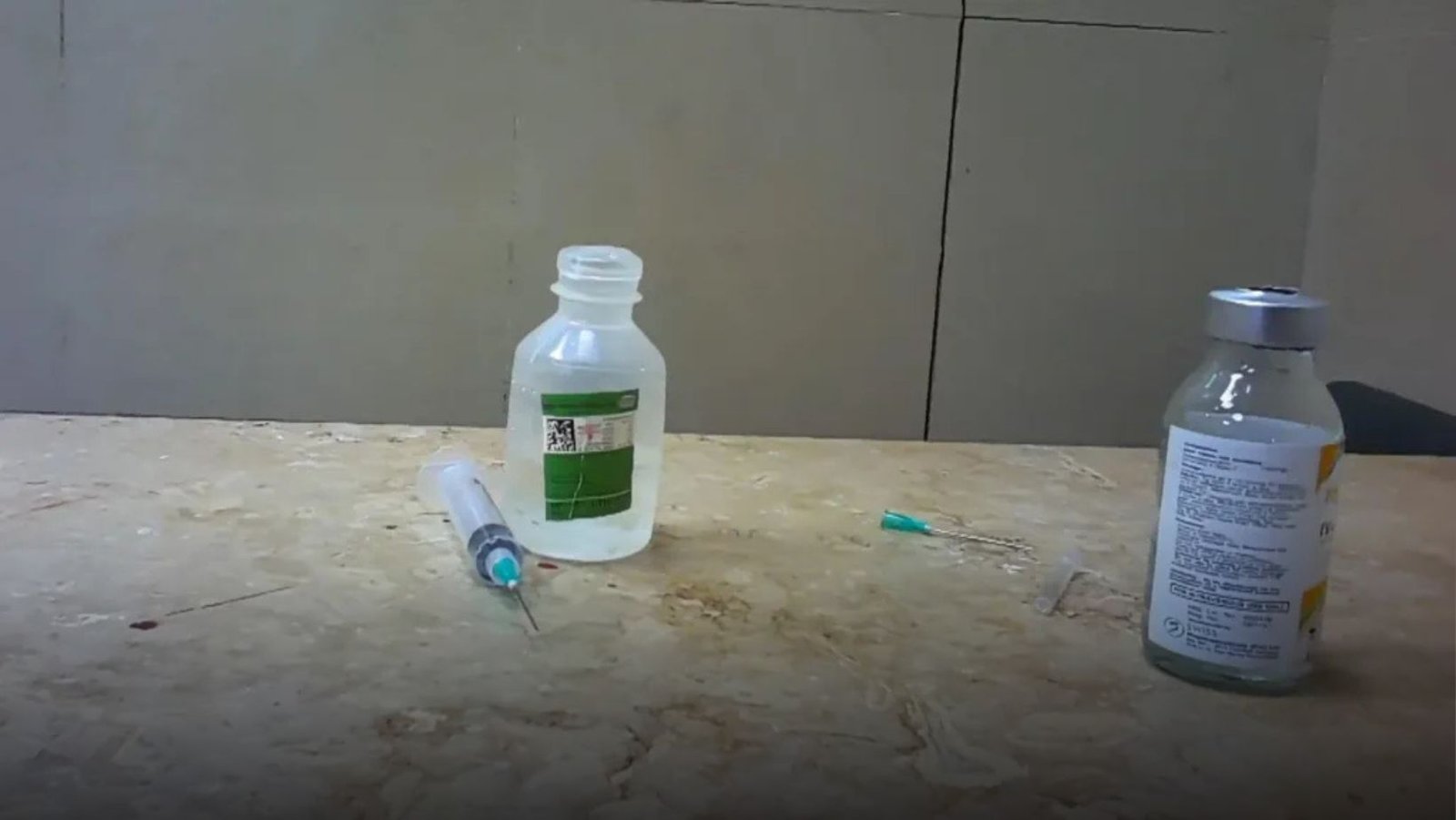
Pakistan hospital syringe reuse HIV outbreak case highlights unsafe injection practices and child infection crisis
Taunsa hospital HIV outbreak children and contaminated syringes investigation
A Pakistan hospital syringe reuse HIV outbreak case has revealed alarming medical practices at a government hospital in Taunsa, Punjab, where hundreds of children were infected with HIV. Investigations found that unsafe injection practices, including reuse of syringes, may have contributed to the spread of the virus among young patients receiving routine treatment.
Families affected by the outbreak say their children had no prior risk factors for HIV, raising serious concerns about how the infections occurred. In many cases, parents tested negative, suggesting that transmission did not happen through traditional routes but likely within healthcare settings.
Unsafe injection practices healthcare Pakistan and infection control failures
Evidence gathered during an investigation showed repeated instances of unsafe procedures, including the reuse of syringes and improper handling of medical equipment. Experts warned that even if a new needle is attached, using the same syringe body can still transmit infections.
The Pakistan hospital syringe reuse HIV outbreak case highlights broader infection control failures in healthcare facilities. Reports indicate that medical staff were often seen administering injections without gloves and handling waste improperly, increasing the risk of contamination.
Health experts have pointed out that inadequate training and lack of strict enforcement of safety protocols contribute to such practices. Infection prevention measures are critical in preventing the spread of blood-borne diseases like HIV.
Child HIV cases Punjab investigation and data findings
Data collected from screening programs and medical sources identified more than 300 children in Taunsa who tested positive for HIV within a year. In a sample group, only a small number of mothers tested positive, strengthening the likelihood that contaminated medical procedures were a major cause.
The Pakistan hospital syringe reuse HIV outbreak case has raised concerns about the safety of routine treatments in public healthcare facilities. Many of the affected children had received injections for minor illnesses, highlighting the risks associated with unnecessary medical procedures.
THQ Taunsa hospital investigation and government response
Authorities initially responded by suspending senior hospital officials and promising strict action. However, further investigation revealed that unsafe practices may have continued even after disciplinary measures were announced.
Officials have maintained that no conclusive evidence directly links the hospital as the sole source of the outbreak, but internal and external reports have pointed to serious lapses in infection control. The Pakistan hospital syringe reuse HIV outbreak case continues to raise questions about accountability and oversight in public health institutions.
WHO UNICEF Pakistan health findings and systemic healthcare issues
Health assessments conducted with international organizations highlighted similar concerns, including poor hygiene conditions, reuse of medical supplies, and lack of proper sterilization procedures. These findings align with evidence gathered during independent investigations.
Experts say the Pakistan hospital syringe reuse HIV outbreak case reflects systemic issues such as shortages of medical supplies, high patient loads, and reliance on injections as a preferred treatment method. In many cases, injections are given even when oral medication would be sufficient.
HIV transmission through reused needles and medical risk factors
Medical professionals warn that reused syringes are a direct pathway for transmitting HIV and other infections. When contaminated equipment is used on multiple patients, the virus can spread rapidly, especially in settings where proper sterilization is not followed.
The Pakistan hospital syringe reuse HIV outbreak case demonstrates how small lapses in medical safety can have devastating consequences. Children receiving treatment for common illnesses were exposed to life-threatening infections due to unsafe practices.
Social impact and stigma faced by affected families
Beyond the medical crisis, affected families face social challenges, including stigma associated with HIV. Children diagnosed with the virus often experience isolation, discrimination, and psychological distress.
Parents report that communities sometimes avoid contact with infected children due to fear and misunderstanding. The Pakistan hospital syringe reuse HIV outbreak case has therefore not only created a public health emergency but also a social crisis for families dealing with long-term consequences.
Outlook on healthcare reform and infection control measures
The outbreak has intensified calls for stricter healthcare regulations, improved staff training, and better monitoring of medical practices. Authorities are under pressure to ensure that similar incidents do not occur in the future.
The Pakistan hospital syringe reuse HIV outbreak case serves as a critical reminder of the importance of infection control and accountability in healthcare systems. Strengthening oversight and ensuring proper medical practices will be essential in restoring public trust and preventing further outbreaks.
For more latest breaking news, health updates, and investigative reports, visit TimeofGulf.


You are my aspiration, I possess few web logs and sometimes run out from to brand : (.