

Northwest Nigeria village attacks leave at least 32 dead in coordinated raids
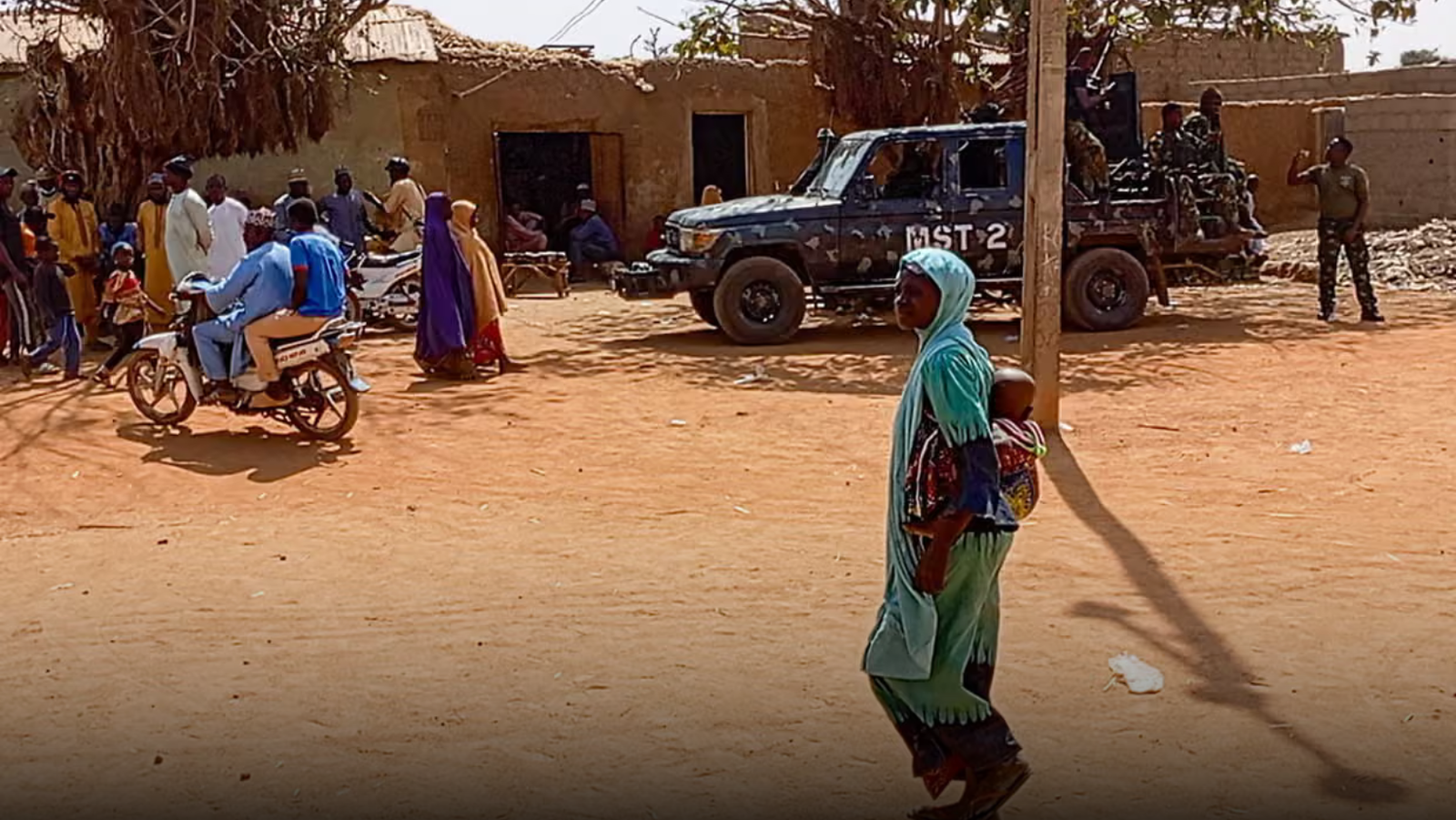
Northwest Nigeria village attacks escalate security crisis in Niger State communities
At least 32 people have been killed after a series of coordinated assaults targeted rural communities in northwest Nigeria, intensifying concerns over rising insecurity in the region. The attacks took place in Niger State, where armed groups carried out violent raids on multiple villages, leaving widespread destruction and forcing residents to flee.
According to local sources, the attacks unfolded in the early hours of the morning, catching villagers off guard. Armed men, traveling in large numbers on motorcycles, entered the communities and began firing indiscriminately. The sudden nature of the assaults left little time for residents to escape, resulting in significant casualties.
These incidents highlight the growing threat posed by armed groups operating in remote areas, where security presence remains limited and response times are often delayed.
Coordinated raids in Niger State villages spread fear and destruction
The violence affected the villages of Tunga-Makeri, Konkoso, and Pissa, located near the border with Benin. Witnesses reported that the attackers moved systematically from one village to another, setting fire to buildings and targeting both civilians and infrastructure.
Homes and local businesses were destroyed, and a police station in one of the villages was also set ablaze. The attackers appeared to act with coordination, suggesting prior planning and familiarity with the area.
Residents described scenes of panic as families fled into nearby forests and neighboring towns to escape the violence. Many were forced to leave behind their possessions, prioritizing safety over everything else.
Eyewitness reports highlight scale of motorcycle attacks
Survivors of the attacks provided detailed accounts of how the situation unfolded. According to eyewitnesses, the attackers used more than 200 motorcycles, allowing them to cover large distances quickly and strike multiple locations within a short period.
One resident explained that the attackers surrounded the village before launching their assault, trapping many people inside. Gunshots rang out continuously, and fires quickly spread through homes and public buildings.
The use of motorcycles has become a common tactic among armed groups in northern Nigeria. This method enables them to move rapidly, avoid detection, and overwhelm communities that lack adequate security defenses.
Security response and rescue operations underway
Authorities confirmed that security forces were deployed to the affected areas after reports of the attacks emerged. Joint teams of police and other agencies have been working to restore order, assist survivors, and assess the full extent of the damage.
Officials stated that initial casualty figures were based on early reports, and the final number may change as investigations continue. Efforts are also ongoing to determine how many people may have been abducted during the raids.
Despite the response, many residents have expressed concern about the speed and effectiveness of security interventions. The recurring nature of such attacks has raised questions about long-term strategies to protect vulnerable communities.
Rising bandit violence in northern Nigeria intensifies instability
The Northwest Nigeria village attacks are part of a broader pattern of violence affecting the northern region. Armed groups, often referred to as bandits, have been responsible for increasing incidents of killings, kidnappings, and destruction in rural areas.
These groups frequently target villages with limited security presence, making it easier to carry out attacks without immediate resistance. Over time, this has created a climate of fear, forcing many residents to abandon their homes and livelihoods.
Agriculture, which is a primary source of income in these communities, has been severely disrupted. Farmers are unable to access their land due to safety concerns, leading to economic hardship and food insecurity.
Humanitarian crisis grows as families flee affected areas
The impact of the attacks extends beyond the immediate loss of life. Displacement has become a major concern, with families seeking refuge in safer locations. Many are now living in temporary shelters or relying on assistance from relatives and local organizations.
Access to essential services such as healthcare, clean water, and food has become increasingly difficult for those affected. The destruction of homes and infrastructure has left communities struggling to recover.
Children and elderly individuals are particularly vulnerable, facing both physical and emotional challenges as a result of the violence. The psychological toll on survivors is significant, as many have witnessed traumatic events.
Government faces pressure over security challenges
The Nigerian government is under increasing pressure to address the growing security crisis. Residents and community leaders have called for stronger measures to protect rural areas and prevent further attacks.
Critics argue that current strategies have not been sufficient to curb the activities of armed groups. They are urging authorities to improve intelligence gathering, increase security presence, and ensure faster response times.
Government officials have acknowledged the challenges and emphasized their commitment to restoring stability. However, for many affected communities, tangible improvements remain limited.
International attention on Nigeria’s security situation
The escalation of violence in northern Nigeria has attracted attention from the international community. Global observers are closely monitoring the situation, recognizing its potential impact on regional stability.
There have been indications of increased cooperation between Nigeria and international partners to address security threats. These efforts include intelligence sharing and strategic support aimed at countering armed groups.
Experts believe that a coordinated approach will be essential to effectively tackle the issue and prevent further escalation of violence.
Uncertain future for communities in northwest Nigeria
As the situation continues to unfold, uncertainty remains for residents of the affected villages. Many are hesitant to return to their homes, fearing additional attacks.
The repeated nature of such incidents has weakened trust in security systems, leaving communities feeling exposed. Without meaningful changes, there is concern that similar attacks could occur again in the future.
For now, survivors are focused on rebuilding their lives while hoping for improved safety and stability. The Northwest Nigeria village attacks serve as a stark reminder of the ongoing challenges facing rural communities in the region.
For more breaking news and latest global updates, visit TimeofGulf.