
Madrid-Seville Train Line to Resume in 10 Days
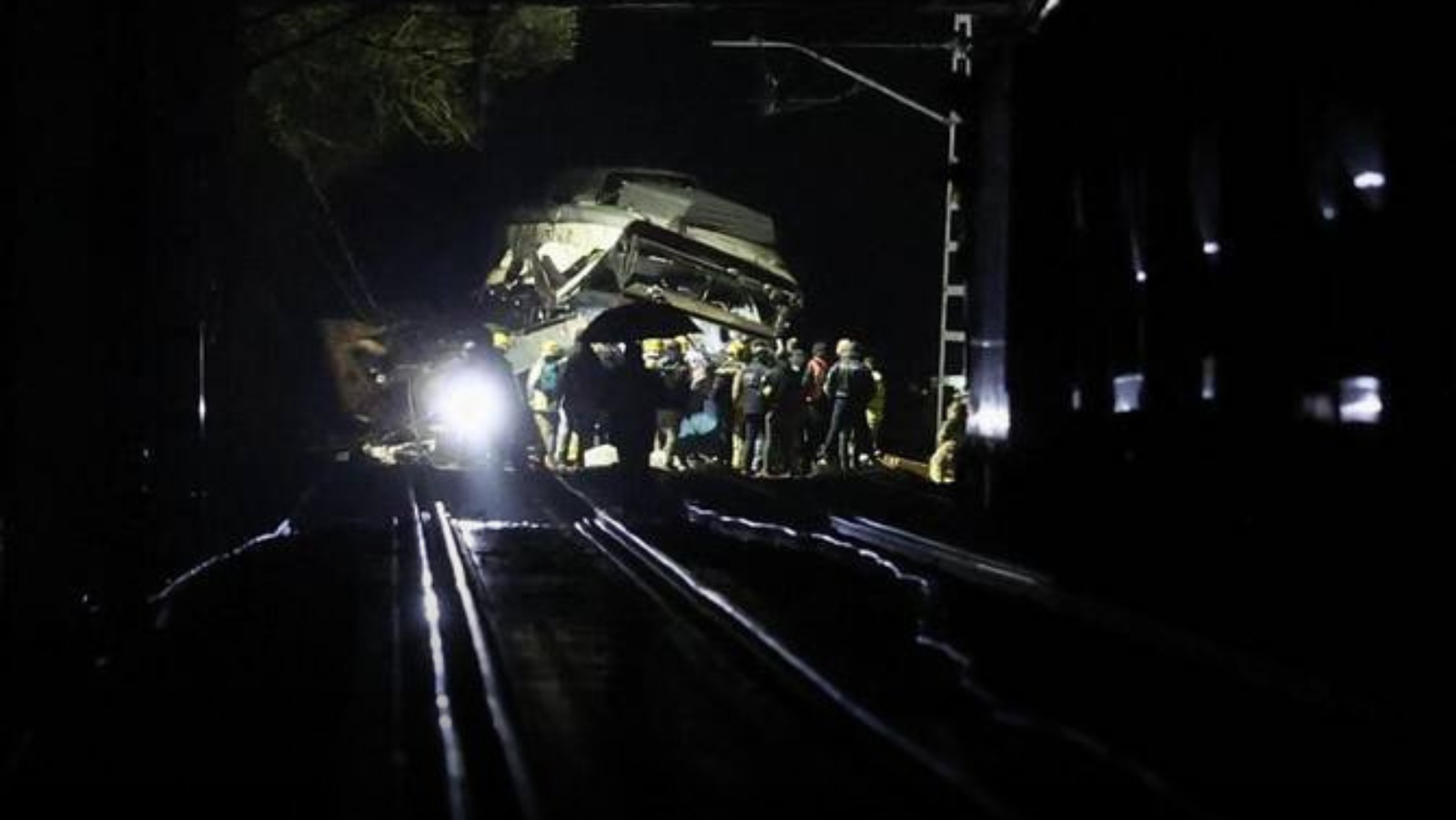
Spain plans to restore full rail service after deadly collision as repair work and safety checks continue on key high-speed route
Madrid, Spain: Spain is preparing to fully restore operations on the Madrid-Seville high-speed rail line within the next 10 days following the devastating train collision that claimed 45 lives earlier this year. The move marks a significant step toward recovery after one of the country’s deadliest railway accidents in recent history.
The Madrid-Seville route, one of Spain’s busiest and most important transport corridors, was partially shut down after the fatal incident in Andalusia on January 18. Since then, authorities have been working around the clock to clear debris, assess infrastructure damage, and investigate the cause of the crash.
Restoration Timeline and Government Plan
Transport officials have confirmed that legal clearance has now been granted to begin replacing the damaged railway infrastructure. Spain’s Transport Minister, Oscar Puente, stated that the repair process is expected to be completed within approximately 10 days, after which full service will resume.
The restoration effort includes replacing damaged tracks, inspecting signaling systems, and ensuring that all safety protocols meet national and European standards. Authorities emphasized that passenger safety remains the top priority as the country moves toward reopening the line.
The Madrid-Seville train line plays a crucial role in Spain’s transportation network, connecting the capital with southern regions. Its closure has caused significant travel disruptions, affecting both daily commuters and long-distance travelers.
Impact of the Deadly Collision
The tragic accident involved a high-speed train operated by private company Iryo and another service run by Renfe, Spain’s national rail operator. The collision resulted in 45 fatalities and numerous injuries, sending shockwaves across the country.
Emergency responders rushed to the scene, working tirelessly to rescue survivors and transport the injured to nearby hospitals. The scale of the disaster prompted national mourning and renewed concerns about railway safety standards.
In the aftermath, sections of the railway line were closed to allow investigators to examine the site thoroughly. Recovery operations included removing wreckage, documenting evidence, and assessing the structural integrity of the tracks and surrounding infrastructure.
Investigation and Preliminary Findings
Authorities continue to investigate the cause of the collision, with early reports suggesting that a cracked rail may have played a role in the accident. While the findings are not yet conclusive, experts are examining whether maintenance failures or technical issues contributed to the tragedy.
The investigation also focuses on operational protocols, communication systems, and compliance with safety regulations. Officials have stated that a comprehensive review will be conducted to prevent similar incidents in the future.
Rail safety experts have highlighted the importance of regular track inspections and advanced monitoring systems, especially on high-speed routes where even minor defects can have serious consequences.
Importance of the Madrid-Seville Route
The Madrid-Seville railway line holds historical and economic significance. Opened in 1992, it was Spain’s first high-speed rail route and marked the beginning of the country’s modern rail network.
Today, Spain operates one of the largest high-speed rail systems in the world, second only to China. The Madrid-Seville line remains a key part of this network, facilitating business travel, tourism, and regional connectivity.
The temporary disruption caused by the collision has underscored the line’s importance. Businesses, tourism operators, and passengers have all felt the impact of reduced services and delays.
Economic and Travel Disruptions
The partial shutdown of the line has led to logistical challenges and economic losses. Travelers have had to rely on alternative routes, resulting in longer travel times and increased costs.
Tourism in southern Spain has also been affected, as the high-speed connection between Madrid and Seville is a popular route for both domestic and international visitors. The restoration of full service is expected to boost travel activity and support economic recovery in the region.
Rail operators have implemented temporary measures to accommodate passengers, including rerouted services and additional support for affected travelers. However, full restoration is seen as essential to normalizing operations.
Safety Measures and Future Prevention
In response to the accident, Spanish authorities are strengthening safety protocols across the rail network. This includes enhanced track monitoring, stricter maintenance schedules, and improved communication systems.
Officials have also indicated that lessons learned from the investigation will inform future infrastructure investments and safety upgrades. The goal is to ensure that Spain’s high-speed rail network remains one of the safest and most reliable in the world.
Industry experts emphasize that maintaining public confidence is critical. Transparent investigations and visible safety improvements are expected to play a key role in rebuilding trust among passengers.
Public Response and National Reflection
The Madrid-Seville train collision has sparked widespread public concern and debate about railway safety. Families of victims have called for accountability and stronger oversight, while policymakers have pledged to address any shortcomings identified during the investigation.
Public sentiment remains focused on ensuring that such a tragedy does not occur again. The government’s commitment to restoring the line quickly while prioritizing safety has been welcomed, but many are closely watching the investigation’s outcome.
Looking Ahead
As Spain prepares to reopen the Madrid-Seville line, attention is shifting toward recovery and future resilience. The restoration of full service will mark a significant milestone, but the broader impact of the tragedy will continue to shape discussions around transportation safety.
Authorities have reassured the public that all necessary precautions are being taken before operations resume. The combination of infrastructure repairs, safety checks, and policy improvements is expected to strengthen the rail system moving forward.
Conclusion
In conclusion, the Madrid-Seville train line to resume in 10 days represents a crucial step in Spain’s recovery following a devastating rail disaster. The restoration effort highlights the country’s commitment to rebuilding infrastructure, supporting affected communities, and ensuring passenger safety.
While the tragedy has left a lasting impact, the reopening of the line signals progress and resilience. As investigations continue and safety measures are enhanced, Spain aims to prevent future incidents and maintain confidence in its high-speed rail network.
For more breaking news and latest global updates, visit Time of Gulf for fast, reliable coverage across world events and travel news.
It’s best to participate in a contest for probably the greatest blogs on the web. I’ll recommend this website!
Do you have a spam issue on this site; I also am a blogger, and I was wondering your situation; we have created some nice practices and we are looking to trade strategies with other folks, be sure to shoot me an e-mail if interested.