

Republicans Pressured by Minneapolis Backlash
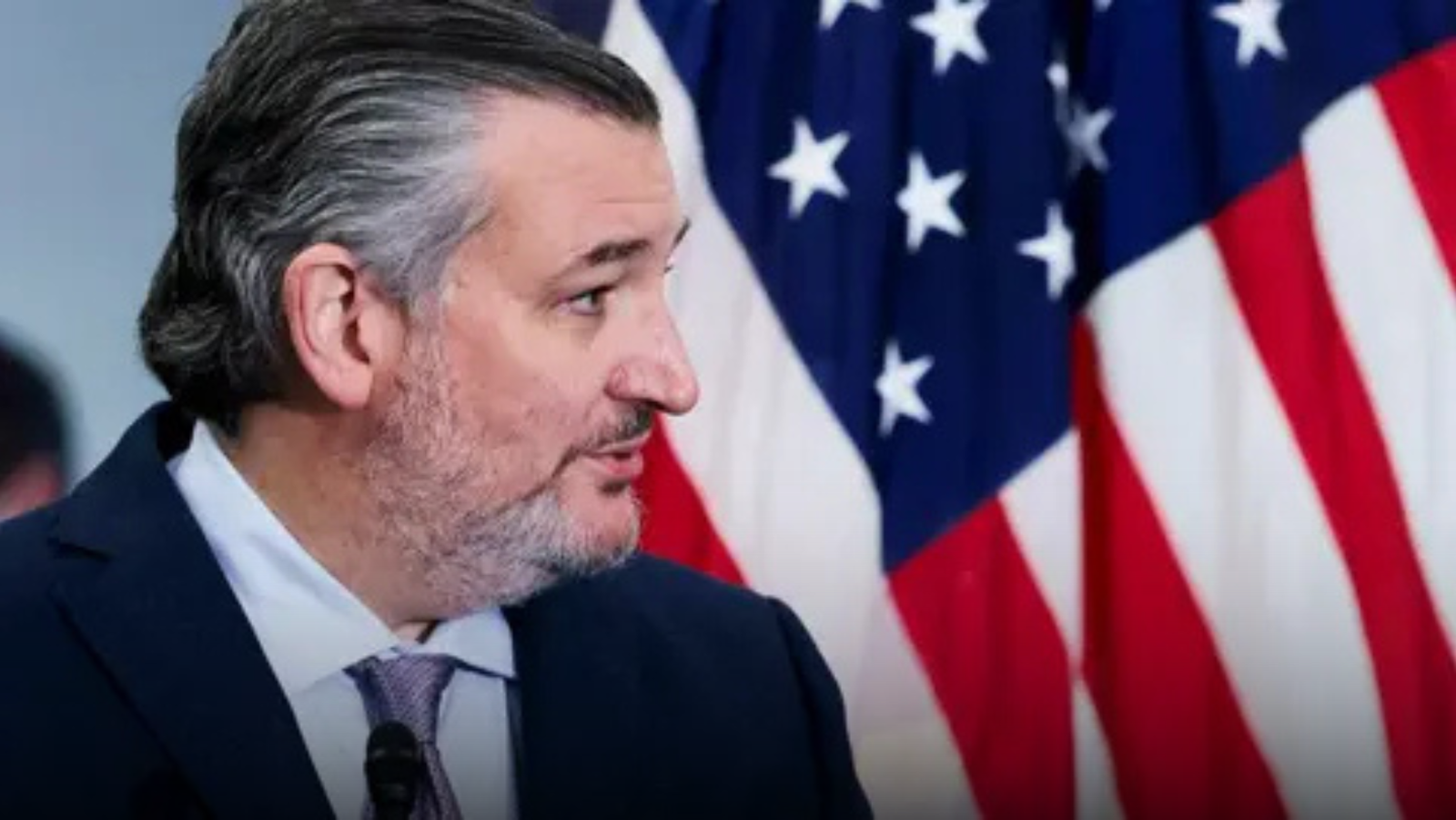
Minneapolis immigration backlash forces Republicans to navigate political scrutiny while balancing Trump loyalty and public outrage
Minneapolis: Republican lawmakers are facing mounting political pressure as the Minneapolis immigration backlash intensifies following the fatal shooting of two US citizens during federal enforcement operations. The incidents, involving officers linked to immigration authorities, have triggered widespread protests, public scrutiny, and growing tension within Republican ranks.
The events have brought national attention to federal immigration enforcement practices, highlighting the difficult position Republican lawmakers occupy as they try to support President Donald Trump’s broader immigration agenda while responding to public anger over the Minneapolis incidents.
Political Challenges for Republicans
Several Republican legislators have emphasized the need for increased oversight and transparency in federal immigration operations. While stopping short of directly criticizing Trump, lawmakers are attempting to acknowledge public concern over the Minneapolis immigration backlash, signaling the party’s awareness of the political sensitivity surrounding the events.
Minnesota has emerged as a focal point for national debate on immigration enforcement. Demonstrations following the shootings have spread beyond Minneapolis, reaching other major cities, and recent polling indicates that many Americans believe federal immigration tactics have exceeded acceptable limits. These developments present political risk for Republicans as they approach upcoming elections.
Calls for Accountability and Oversight
Previously, Congress approved billions in funding for border security and interior enforcement. However, in light of the Minneapolis incidents, some Republican members are now calling for greater accountability and independent oversight of federal agencies. Proposals for hearings and investigations have increased, reflecting concern over the handling of federal immigration operations in the city.
The Minneapolis backlash underscores the party’s challenge in balancing strict immigration enforcement with responsiveness to public sentiment. Republican leaders must navigate this tension carefully to maintain credibility among both voters and federal law enforcement stakeholders.
Balancing Enforcement with Public Opinion
Despite internal pressures, party leaders continue to emphasize support for strong immigration enforcement, arguing that deportation and border security policies remain popular with certain voter segments. However, the Minneapolis backlash has complicated messaging, forcing lawmakers to distance themselves from controversial enforcement actions without alienating the party’s base.
Political analysts note that the backlash highlights the difficulty Republicans face in reconciling law-and-order priorities with public demand for accountability. The party’s messaging strategy must address the tension between enforcement credibility and community trust.
Federal Response and Local Impact
The White House has indicated it may reevaluate the federal presence in Minneapolis, though no specific timeline has been shared. Meanwhile, protests, vigils, and public demonstrations continue, keeping the Minneapolis immigration backlash in the national spotlight and reinforcing pressure on federal agencies.
Local authorities have called for transparency and cooperation from federal agencies to prevent further escalation. These developments underscore the complex relationship between federal authority, municipal governance, and community trust in enforcement operations.
National Implications
The Minneapolis immigration backlash is increasingly shaping the national conversation on immigration, policing, and federal oversight. Observers suggest that how Republican lawmakers respond could influence voter sentiment across the United States, particularly in districts with high immigrant populations or swing states.
The events highlight the interconnected nature of local incidents and broader national politics. Republicans are under pressure to present a consistent immigration policy while addressing legitimate public concerns about enforcement methods and accountability.
Party Divisions and Media Scrutiny
Internal party discussions reveal divisions between lawmakers advocating for stricter enforcement and those seeking measured, accountable approaches. Media coverage of the Minneapolis incidents has amplified scrutiny, adding to the political stakes for Republicans as they craft messaging on immigration issues.
Experts argue that public perception of responsiveness and fairness in federal operations could impact the Republican Party’s credibility on immigration nationwide. The backlash demonstrates the importance of addressing community concerns while maintaining a coherent policy stance.
Congressional and Policy Responses
Calls for hearings in Congress and the implementation of oversight measures have increased following the Minneapolis incidents. Some lawmakers are advocating for revisions to operational protocols, improved reporting mechanisms, and clearer guidance for federal immigration personnel working in sensitive urban areas.
Observers note that these initiatives could influence broader immigration policy discussions, setting precedents for how federal enforcement interacts with local jurisdictions and public opinion.
Looking Ahead
As the situation evolves, Republicans will need to carefully navigate federal enforcement, public accountability, and political messaging. Protests and public scrutiny are expected to continue shaping the narrative, making it imperative for lawmakers to address the Minneapolis backlash thoughtfully.
The party’s response to this situation may serve as a blueprint for managing similar incidents nationwide. Balancing enforcement priorities with community relations and public confidence will be key to maintaining voter support and managing political risk in upcoming elections.
Conclusion
In conclusion, Republicans pressured by Minneapolis backlash highlights the complex political landscape surrounding federal immigration enforcement. The fatal shootings have intensified national scrutiny, forcing Republican lawmakers to reconcile support for Trump’s immigration policies with accountability and transparency concerns.
Public protests, calls for oversight, and media attention underscore the challenges of enforcing federal policies while maintaining public trust. The Minneapolis immigration backlash is shaping not only local politics but also national debates on immigration, enforcement, and political strategy.
As the party continues to respond, careful messaging, oversight measures, and engagement with affected communities will be critical. The events in Minneapolis serve as a reminder of the delicate balance Republicans must maintain between upholding enforcement priorities and addressing public concern, with implications for future elections and national policy discussions.
For more updates on US politics and immigration policy, visit Time of Gulf for detailed coverage.