
Ukraine Rejects Drone Attack Claims as Russian Tensions Intensify
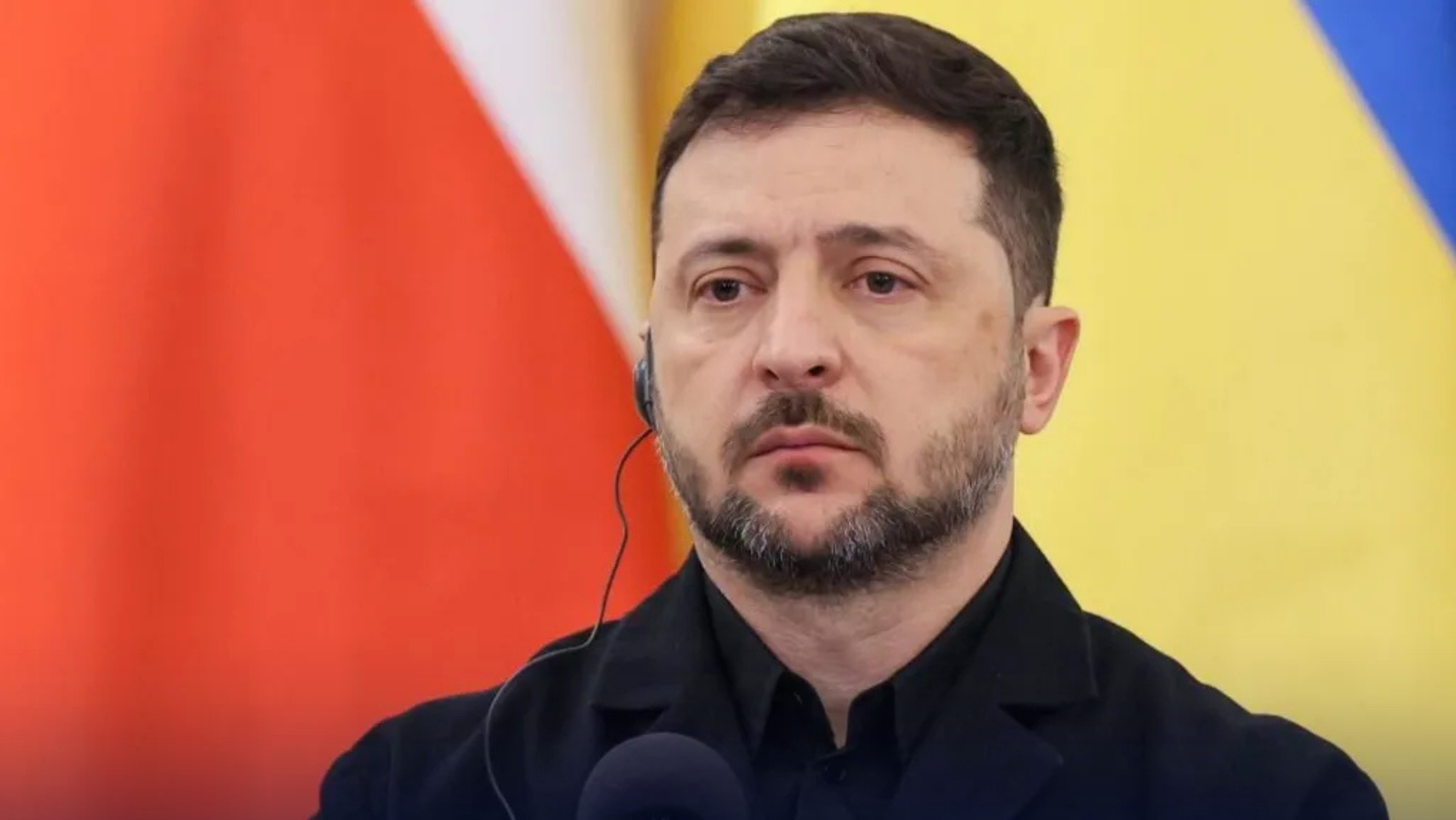
Zelensky Dismisses Allegations as Misleading Narrative
Ukraine has strongly denied accusations from Moscow that it carried out a drone strike targeting a residence linked to President Vladimir Putin, warning that such claims could be used as justification for further escalation in the ongoing conflict. President Volodymyr Zelensky described the allegations as part of a broader pattern of misinformation aimed at shaping global perception and weakening diplomatic momentum.
Speaking to reporters, Zelensky urged vigilance, stating that such narratives often precede increased military pressure. He emphasized that Ukraine remains focused on defending its territory while continuing efforts to pursue diplomatic solutions. According to him, these claims should be viewed cautiously, as they may serve strategic purposes beyond the immediate situation.
Moscow’s Version of Events and Kyiv’s Response
Russian officials claimed that dozens of long-range unmanned aerial vehicles were launched overnight toward a state property associated with President Putin in the Novgorod region. Authorities in Moscow stated that their air defence systems successfully intercepted all incoming drones, reporting no casualties or structural damage. It remains unclear whether Putin was present at the location at the time of the alleged incident.
Ukraine quickly rejected the claims, insisting that no such operation had taken place. Officials in Kyiv pointed out that Russia has not presented any credible or verifiable evidence to support its allegations. A senior Ukrainian diplomat noted that the absence of proof raises serious doubts about the authenticity of the claims and urged international observers to approach the situation with caution.
He further stated that despite the passage of time, no factual material has emerged to substantiate the accusations, reinforcing Ukraine’s position that the incident was fabricated.
Rising Concerns Over Diplomatic Stability
The dispute has sparked concerns about its potential impact on ongoing diplomatic negotiations. Russian authorities hinted that they may adopt a tougher stance in future discussions, citing what they described as hostile actions by Ukraine. At the same time, Moscow indicated that it would not completely withdraw from talks with the United States, suggesting that diplomatic channels remain partially open.
The timing of the allegations is notable, as they emerged shortly after high-level discussions between Ukrainian and US officials regarding a revised peace proposal. Following these talks, Zelensky acknowledged that a resolution to the conflict could be possible in the coming years but stressed that continued international support would be essential.
Security Framework and Unresolved Issues
Zelensky also addressed the broader challenges facing Ukraine in its negotiations, expressing doubt about Russia’s willingness to pursue a genuine peace agreement. He highlighted that while discussions on security guarantees are progressing, several critical issues remain unresolved, including territorial disputes and the control of key infrastructure sites.
He emphasized that any future arrangement must prioritize Ukraine’s independence and long-term stability, ensuring that vital national systems and resources are not compromised. This includes safeguarding essential facilities that play a crucial role in the country’s economy and public safety.
Situation in Eastern Ukraine
Russian forces continue to maintain control over significant areas in eastern Ukraine, particularly in the Donetsk and Luhansk regions. These territories, collectively known as the Donbas, remain central to the conflict and have been a major obstacle in peace negotiations. Efforts to determine their future status have seen little progress, with both sides holding firm to their positions.
Experts warn that disputes fueled by unverified claims could further complicate an already fragile negotiation process. They note that such incidents can increase mistrust and create additional barriers to reaching a lasting agreement.
Strategic Risks and Military Analysis
Military analysts suggest that allegations like the reported drone attack may serve multiple strategic purposes. Beyond their immediate impact, they can influence international opinion, justify military actions, and shift the narrative surrounding the conflict.
One regional security expert explained that in modern warfare, information plays a critical role alongside conventional military operations. False or exaggerated claims can escalate tensions quickly, particularly when both sides remain on high alert.
International Reaction and Diplomatic Pressure
The international community has responded cautiously to the situation. Western allies have reiterated their support for Ukraine while encouraging restraint and the continuation of diplomatic engagement. Observers stress that maintaining open lines of communication is essential to prevent misunderstandings from escalating into direct confrontation.
The Zaporizhzhia nuclear power plant remains a focal point of concern, as its status is closely linked to broader negotiations. Any instability surrounding the facility could have far-reaching consequences, not only for Ukraine but for the wider region.
Public Awareness and Preparedness
Ukrainian authorities have advised citizens to remain attentive to official updates and avoid relying on unverified information. While there is no immediate indication of increased danger, officials emphasize the importance of preparedness in a rapidly evolving situation.
The alleged drone incident highlights how quickly narratives can spread during times of conflict, underscoring the need for accurate reporting and responsible communication.
Broader Implications for the Conflict
The ongoing dispute surrounding the drone allegations reflects the complex nature of the Ukraine-Russia conflict, where military actions, political strategy, and information campaigns intersect. Analysts believe that such developments could influence future negotiations and shape the direction of the conflict in the months ahead.
As both sides continue to navigate a challenging landscape, the role of international partners remains crucial in supporting diplomatic efforts and maintaining regional stability.
Conclusion: Balancing Tension and Dialogue
Ukraine’s firm rejection of the drone attack claims underscores its determination to counter what it views as misleading narratives while continuing to engage in diplomatic efforts. The situation remains tense, with both sides carefully monitoring developments and adjusting their strategies accordingly.
Experts emphasize that maintaining transparency and relying on verified information will be key to avoiding unnecessary escalation. In a conflict where perception can be as influential as reality, clear communication and responsible decision-making are more important than ever.
As negotiations continue, the international community will be watching closely to see whether diplomacy can prevail over rising tensions. The outcome will likely shape not only the future of Ukraine but also broader geopolitical stability.
Stay updated with global conflicts, breaking news, and in-depth analysis—visit our website for the latest developments worldwide.