
Iran blockade traps 2,190 ships in Strait Hormuz disrupting global trade
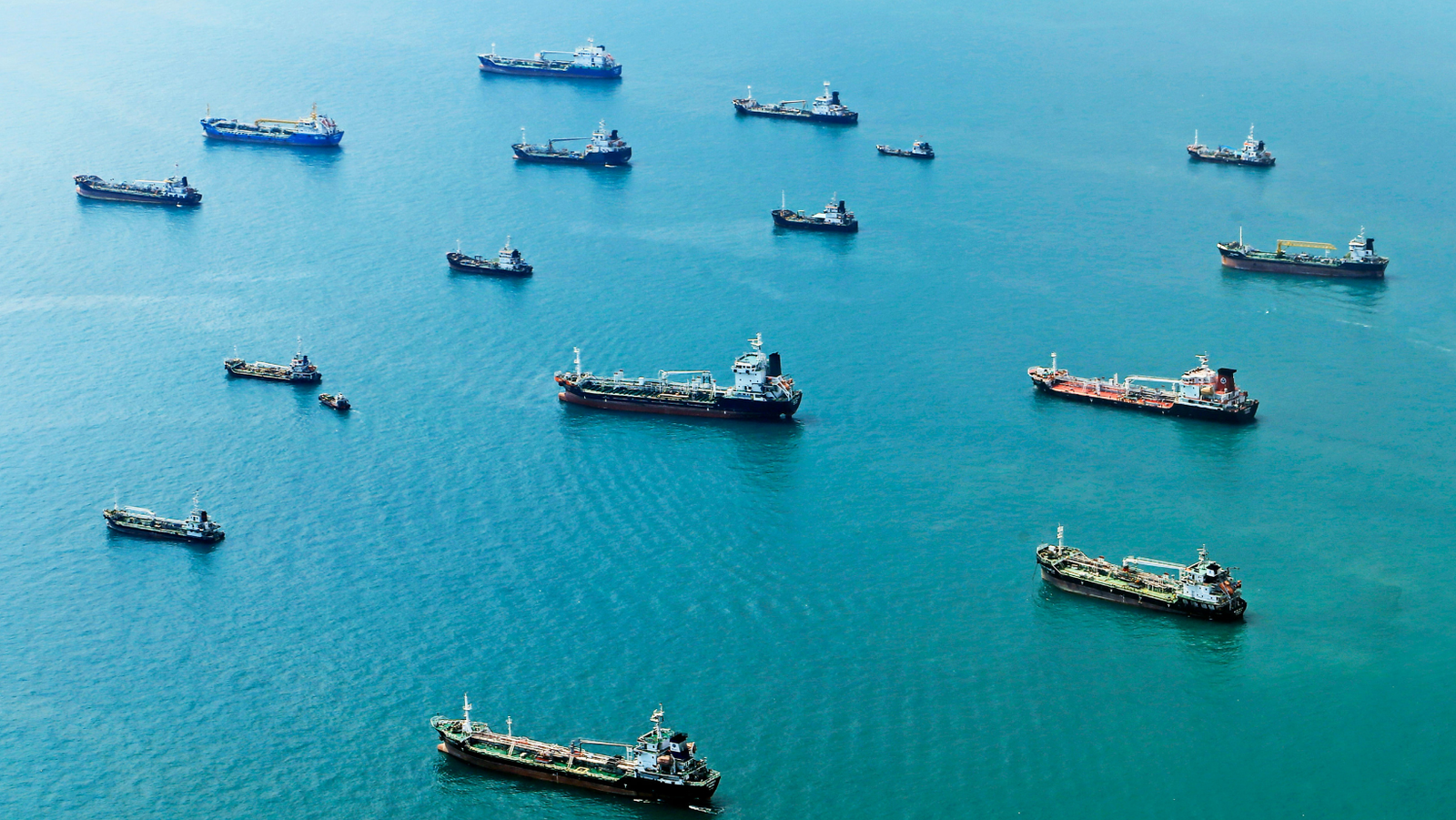
Iran blockade traps 2,190 ships in Strait Hormuz amid rising tensions
A major maritime crisis has unfolded in the Gulf as Iran’s blockade of the Strait of Hormuz has left at least 2,190 commercial vessels stranded, including hundreds of oil and gas tankers. The situation has severely disrupted global energy supply chains and raised concerns over escalating geopolitical tensions in one of the world’s most critical shipping routes.
Among the trapped vessels are more than 320 oil and gas carriers, including very large crude carriers and liquefied gas ships. The scale of disruption highlights the strategic importance of the strait, which typically handles a significant portion of global energy exports.
Severe disruption to maritime traffic
Iran blockade traps 2,190 ships in Strait Hormuz, drastically reducing normal shipping activity. In peacetime, around 120 vessels pass through the strait daily, but recent data shows that only a handful of ships have managed to cross within a 24-hour period.
Shipping companies are facing growing uncertainty as delays continue to mount. Many vessels remain anchored in nearby waters, waiting for clearance or safer conditions before attempting transit. The limited movement has created congestion, increasing operational risks and logistical challenges for global trade networks.
Controlled corridors and restricted passage
Iran blockade traps 2,190 ships in Strait Hormuz while allowing only tightly controlled movement through designated corridors. Reports indicate that ships granted passage are required to follow specific routes near Iranian territory, often under strict monitoring.
Some vessels have managed to navigate the passage under these conditions, particularly those linked to countries maintaining cooperative relations with Tehran. However, the approval process remains slow, leaving thousands of ships stranded and awaiting clearance.
Ship operators are also facing additional costs and uncertainties, with reports of high transit fees being imposed under special conditions. These financial pressures add another layer of complexity to an already strained shipping environment.
Impact on global energy supplies
Iran blockade traps 2,190 ships in Strait Hormuz, creating serious concerns about global oil and gas supply disruptions. The strait is a vital artery for energy exports, and any interruption has immediate consequences for international markets.
Major energy producers in the region have been unable to ship their usual volumes, leading to supply constraints. This disruption has contributed to rising oil prices and increased volatility in energy markets. Countries that rely heavily on imported energy are particularly vulnerable to these changes, as they face higher costs and potential shortages.
The halt in exports also affects long-term contracts and supply agreements, forcing companies to explore alternative routes or adjust delivery schedules.
Rising risks for crews and vessels
Iran blockade traps 2,190 ships in Strait Hormuz, placing thousands of seafarers at risk. With ships anchored for extended periods, crews face challenging conditions, including limited resources and heightened security threats.
Reports suggest that some vessels have adopted precautionary measures such as nighttime navigation or disabling tracking systems to reduce exposure to potential dangers. These actions reflect the level of concern among ship operators and crew members navigating the uncertain environment.
The presence of military activity, combined with risks from mines, drones, and missile threats, has further complicated maritime operations. Safety remains a top priority as authorities work to prevent incidents that could escalate the situation.
Limited movement and rare successful transits
Iran blockade traps 2,190 ships in Strait Hormuz, with only a small number successfully completing the journey. A few vessels have managed to exit the Gulf, including tankers carrying essential energy supplies and cargo ships transporting critical goods.
These successful transits often involve careful coordination and adherence to strict guidelines. In some cases, ships have made multiple attempts before safely navigating the strait. Despite these efforts, the overall number of vessels moving through the waterway remains extremely low compared to normal levels.
The limited movement underscores the severity of the blockade and the challenges faced by the global shipping industry.
Diplomatic efforts and international response
Iran blockade traps 2,190 ships in Strait Hormuz, prompting urgent diplomatic discussions among global powers. Several countries are engaging in talks aimed at restoring safe navigation and preventing further escalation.
International stakeholders recognize the importance of the strait not only for regional stability but also for the global economy. Efforts are underway to find a solution that ensures the free flow of commercial shipping while addressing security concerns.
Some nations have called for an immediate ceasefire and emphasized the need for cooperation to protect maritime routes. The outcome of these discussions will play a crucial role in determining how quickly normal operations can resume.
Economic consequences and global uncertainty
Iran blockade traps 2,190 ships in Strait Hormuz, creating widespread economic implications. The disruption to shipping and energy supplies has already begun to impact global markets, with rising costs affecting industries and consumers alike.
Higher energy prices are likely to increase production and transportation expenses, leading to inflationary pressures in various sectors. Businesses dependent on stable supply chains may face delays and additional costs, while consumers could experience higher prices for essential goods.
Financial markets are also reacting to the uncertainty, with investors closely monitoring developments. The longer the blockade continues, the greater the potential impact on global economic stability.
Outlook for the coming weeks
Iran blockade traps 2,190 ships in Strait Hormuz, and the situation remains fluid as tensions persist. The coming weeks will be critical in determining whether diplomatic efforts can ease the crisis or if further escalation will occur.
Shipping companies, governments, and international organizations are closely watching developments, preparing for various scenarios. Restoring normal operations will require coordinated efforts and a commitment to ensuring the safety of maritime routes.
Until a resolution is reached, the blockade is expected to continue affecting global trade and energy markets. The scale of the disruption serves as a reminder of the strategic importance of the Strait of Hormuz and its role in maintaining global economic stability.
For continued updates on global shipping and energy developments, visit TimeOfGulf news.

Would you be considering exchanging links?