

Bangladesh Holds Massive State Funeral to Honor Former PM Khaleda Zia
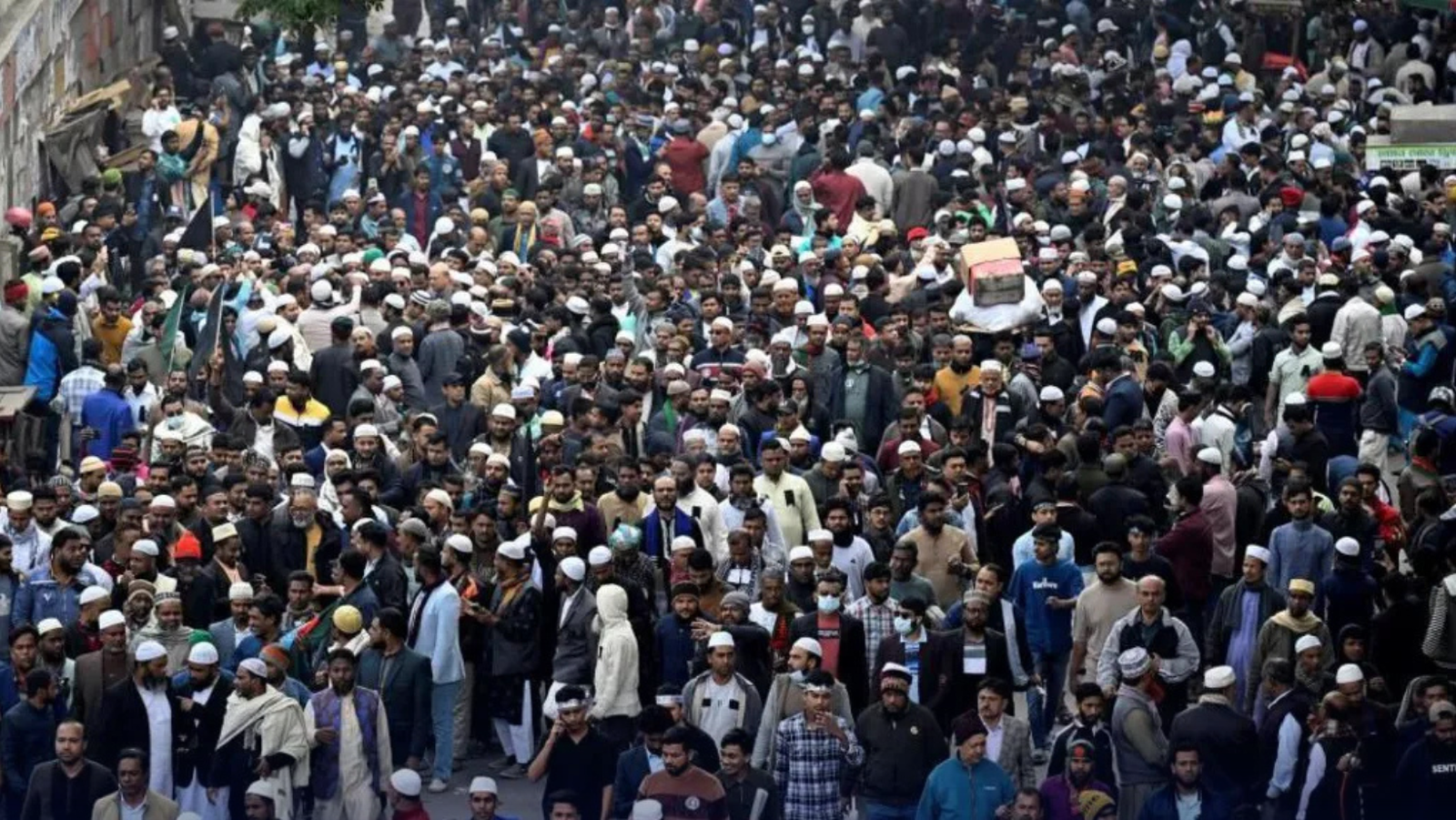
Thousands Gather in Dhaka to Pay Tribute to Khaleda Zia’s Political and Social Legacy
Dhaka, Bangladesh – Tens of thousands of citizens flooded the streets of Dhaka on Wednesday to attend the state funeral of former Prime Minister Khaleda Zia, a pivotal figure in Bangladesh’s political history. Zia passed away on Tuesday at the age of 80 after a prolonged illness, prompting nationwide mourning.
The funeral procession moved through the city under heavy security, with Zia’s body draped in the national flag. Supporters lined the streets holding photographs and banners in her memory, offering prayers and paying homage to the former prime minister’s enduring influence. Flags across government offices were lowered to half-mast as a mark of respect.
Pioneering Female Leadership in Bangladesh
Khaleda Zia rose to prominence following the assassination of her husband, former President Ziaur Rahman, in 1981. She assumed political leadership during a turbulent period, eventually becoming Bangladesh’s first female prime minister. Zia served two terms, first in the early 1990s and again in the early 2000s, navigating complex political challenges with resilience.
Her leadership was notable for its determination and her ability to maintain her party’s influence amidst periods of political instability. Zia frequently advocated for the restoration of democratic governance during times when military-backed administrations held sway over the nation’s politics.
Promoting Education and Women’s Empowerment
Beyond politics, Khaleda Zia championed social development, particularly women’s education. She initiated stipend programs that supported female students, helping to increase access to education in both rural and urban areas. Many mourners highlighted these programs as a testament to her commitment to empowering women and providing opportunities that had long-lasting social impact.
Her efforts in education and social welfare elevated her standing nationally and internationally, portraying her as a leader who combined political responsibility with social vision.
International Attendance Reflects Global Influence
Several foreign dignitaries attended the funeral, signaling Zia’s significance on the global stage. Her international reputation reflected Bangladesh’s diplomatic relationships and her role in regional political discourse.
Earlier in the day, her body was brought to her son’s residence, where family and close associates offered prayers. Many citizens traveled long distances to participate, demonstrating the breadth of her support and the deep respect for her contributions to the country.
Navigating Political Struggles with Resilience
Khaleda Zia’s career was marked by resilience in the face of repeated challenges from rival political factions and periods of governmental oversight. She consistently pushed for democratic principles, earning a reputation as a leader who could withstand political pressures while maintaining her party’s influence.
Experts note that her ability to lead during times of political instability set a benchmark for governance in Bangladesh, influencing subsequent generations of politicians and shaping the country’s political norms.
Nationwide Reflection on Her Contributions
The funeral prompted nationwide reflection on Zia’s decades-long contributions to politics and social welfare. Citizens praised her courage and dedication, particularly her focus on advancing opportunities for women and supporting education initiatives. Many attendees shared personal stories of how Zia’s policies had positively impacted their lives, reinforcing her legacy as a transformative leader.
Political analysts suggest that her death may also have implications for the nation’s political landscape, potentially affecting party dynamics and shaping discussions around future elections.
Final Farewell and Burial Arrangements
Zia will be buried beside her late husband, Ziaur Rahman, in a ceremony that combined state honors with public participation. The farewell procession included prayers, speeches by political leaders, and widespread public homage, allowing citizens to bid a final farewell to a leader who had played a defining role in Bangladesh’s modern history.
Security personnel ensured the procession proceeded smoothly, while mourners observed traditional rituals along the route. The event represented the culmination of a lifetime of public service, marking the end of an era in Bangladeshi politics.
Legacy and Long-Term Impact
Zia’s political and social influence extends far beyond her terms in office. Observers highlight her contributions to women’s empowerment, democratic restoration, and social development programs as hallmarks of her enduring legacy. The funeral offered a moment for the nation to consider her contributions to both political stability and social welfare.
Across the country, people participated in memorial events, moments of silence, and prayers, emphasizing the widespread recognition of Zia as a trailblazer in both politics and social reform. Her passing serves as a reminder of the challenges faced by leaders in emerging democracies and the lasting impact of their policies.
National Mourning and Public Sentiment
The passing of Khaleda Zia has prompted a period of national reflection and mourning. Citizens across Bangladesh continue to honor her life, commemorating her role as a resilient and transformative leader. Public sentiment has focused on her steadfast commitment to democracy, her advocacy for education, and her efforts to promote social progress.
Her funeral has become a focal point for national discourse, symbolizing both respect for past leadership and a reminder of the importance of civic engagement and political participation in shaping the future of Bangladesh.
For more political news and state events in Bangladesh, visit our homepage here