
US Launches Drone Strike on Venezuelan Port Targeting Drug Operations
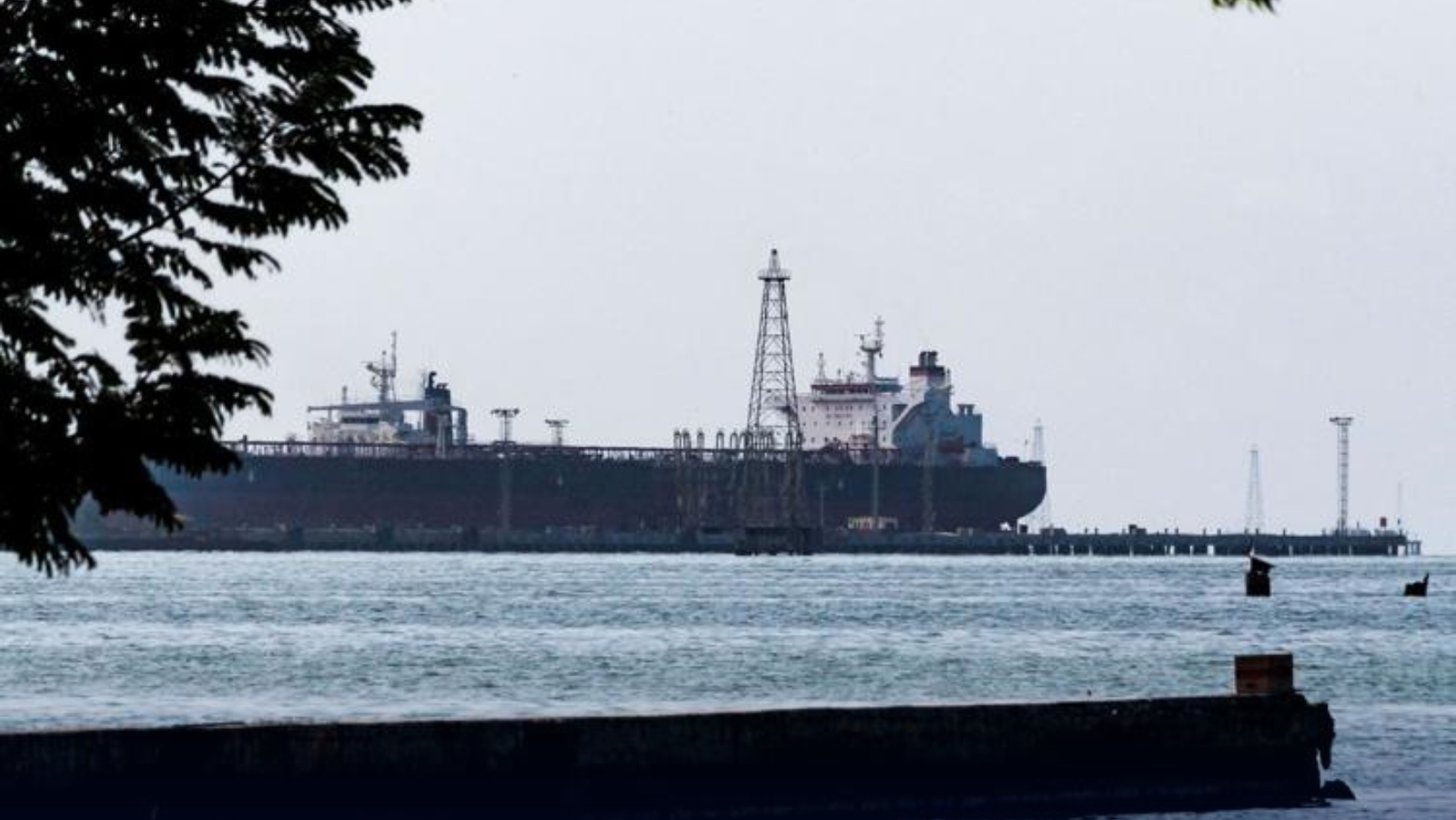
US conducts drone strike on Venezuelan port facility amid rising anti-drug efforts
WASHINGTON, D.C.: The United States carried out a drone strike earlier this month on a port facility along Venezuela’s northern coast, targeting what officials described as a hub for drug storage and shipment. The operation marks the first publicly known military action by the US inside Venezuelan territory against criminal networks linked to narcotics trafficking.
US authorities stated that the strike was carefully planned to minimize risk to human life. The port facility was reportedly used by criminal organizations to store large quantities of illegal drugs and prepare them for shipment via coastal vessels. Because the strike occurred when the area was unoccupied, no casualties were reported. However, infrastructure and equipment at the site suffered significant damage, disrupting the operations of those involved in drug trafficking.
Drone strike as part of broader anti-drug strategy
Officials emphasized that the strike was part of a wider campaign to counter drug trafficking throughout the Caribbean and Latin America. The United States has increasingly deployed intelligence and military resources to monitor drug routes and dismantle criminal networks, particularly those believed to operate along Venezuela’s coastline.
The targeted port was identified as a strategic point in the movement of narcotics. By striking the facility, US authorities aimed to halt shipments at an early stage, preventing drugs from entering international markets. Sources familiar with planning described the operation as precise, with drones equipped to conduct controlled strikes while avoiding civilian harm.
Political and diplomatic context
The strike adds pressure to Venezuela’s government, which has long faced criticism from Washington for alleged complicity with criminal networks. US officials have consistently accused Venezuelan authorities of failing to control drug trafficking routes that originate or pass through the country. While sanctions and economic restrictions have been in place for several years, the recent military action represents a new level of intervention aimed directly at operational hubs.
President Donald Trump publicly referenced the strike in a recent statement, noting that the operation targeted a facility used to load drugs onto boats. He highlighted that the strike was part of ongoing efforts to reduce the flow of narcotics and emphasized that US forces will continue to take targeted actions against networks that threaten domestic and regional security.
Operational details and impact
Though the US government has not officially disclosed which military or intelligence units executed the strike, multiple sources confirmed that drones were employed. The timing and planning ensured that no individuals were present, demonstrating an effort to avoid casualties while maximizing the disruption to illicit activity.
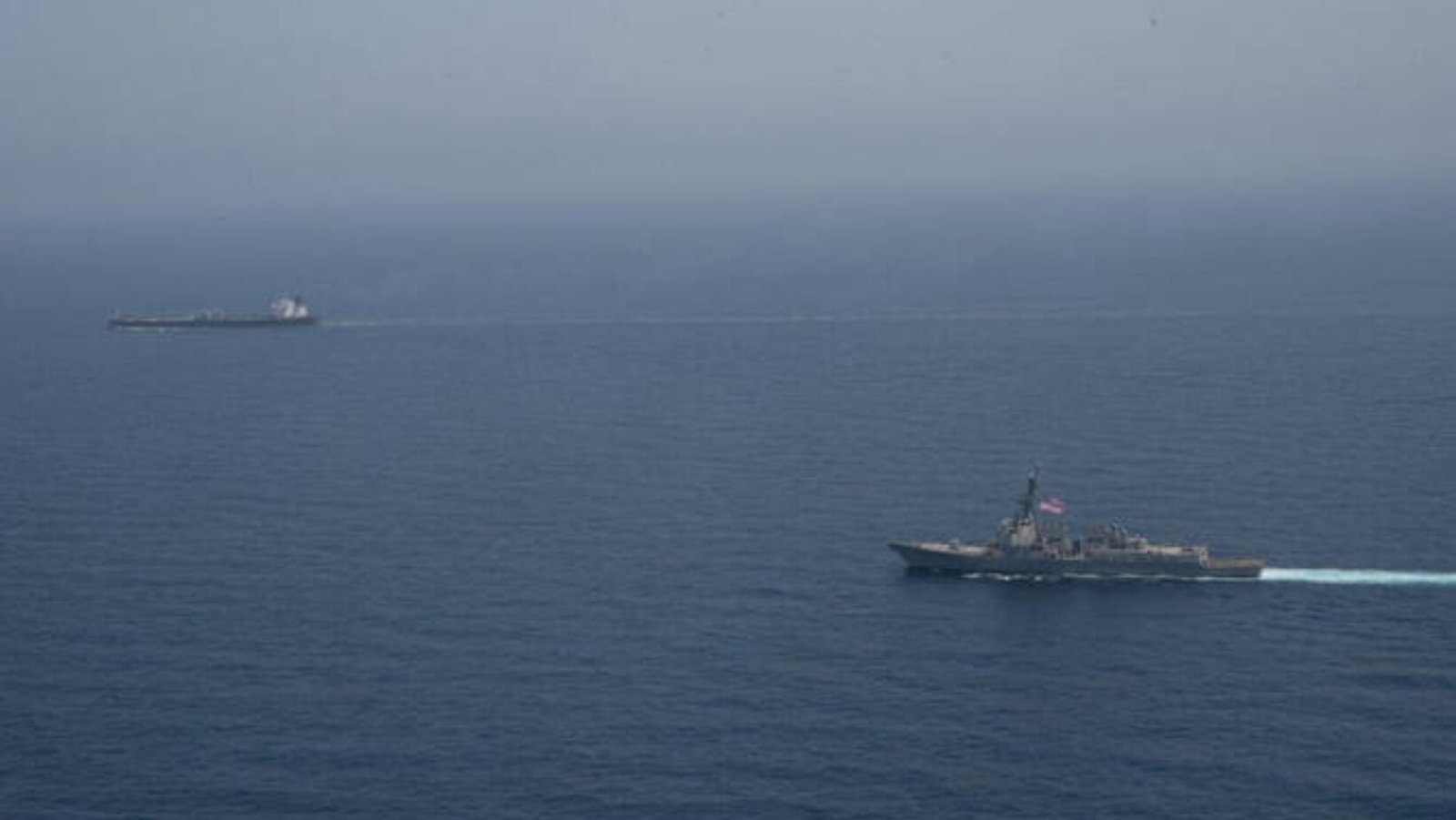
The port strike coincides with an intensification of US maritime operations in Venezuelan waters, where several vessels suspected of carrying drugs have been intercepted and destroyed. These measures are part of a broader strategy to dismantle the infrastructure of criminal groups, prevent shipments from reaching international markets, and limit the financial gains of drug networks.
Regional security implications
The drone strike could heighten tensions between Washington and Caracas, which already maintain a strained relationship. Venezuelan officials have not publicly commented on the operation, leaving questions about possible diplomatic or retaliatory responses. Analysts suggest that while the immediate goal of disrupting drug trafficking was achieved, the broader implications for US-Venezuela relations may include increased scrutiny from regional allies and international bodies.
Observers note that unilateral military actions, even those targeting criminal operations, carry potential risks of escalating conflict or sparking broader geopolitical disputes. At the same time, supporters argue that decisive actions are necessary to protect communities affected by the drug trade and to prevent criminal organizations from exploiting Venezuelan ports as logistical hubs.
Legal and ethical considerations
The use of drones against facilities linked to criminal organizations raises legal and ethical questions. Experts debate whether such strikes, conducted in a foreign country without explicit consent, align with international law governing sovereignty and the use of force. Advocates for the strikes contend that the operations are justified under the framework of counter-narcotics enforcement and national security, especially when precision measures are used to avoid casualties.
Critics, however, warn that repeated interventions of this nature could blur the lines between law enforcement and military action. They emphasize the importance of accountability and transparency to ensure that such operations remain proportionate and lawful.
Broader anti-drug efforts and strategic importance
Venezuela’s geographic location and extensive coastline make it a key transit point for drugs moving to international markets. Disrupting storage and shipment operations within the country is therefore critical to reducing the supply of narcotics abroad. The drone strike reflects an operational approach focused on targeting infrastructure rather than individuals, aiming to degrade networks while minimizing human harm.
The strike also signals a willingness by the United States to escalate operations if intelligence confirms active drug trafficking infrastructure. By taking direct action against key logistical points, US authorities hope to slow the flow of drugs and reduce the financial power of criminal organizations.
Immediate aftermath and future implications
While the strike successfully disabled the targeted port facility, analysts caution that Venezuela remains a complex environment for counter-narcotics operations. Criminal networks are adaptable, often using alternate routes or facilities to continue their activities. Continuous monitoring and follow-up operations will likely be necessary to prevent re-establishment of drug logistics in the region.
The long-term impact of the strike on US-Venezuela relations is uncertain. Diplomatic channels may need to address the implications of military interventions on national sovereignty, while regional partners may call for coordinated strategies to tackle drug trafficking without escalating conflict.
For now, the operation highlights the growing role of precision drone strikes in counter-narcotics efforts and the US commitment to disrupting transnational drug networks. While the immediate disruption to drug shipments is clear, the strike also serves as a reminder of the complex interplay between security operations, international diplomacy, and regional stability.
For further updates on this and other international security developments, explore our latest coverage at our website
Oh my goodness! an amazing article dude. Thanks However I am experiencing challenge with ur rss . Don’t know why Unable to subscribe to it. Is there anybody getting similar rss downside? Anybody who knows kindly respond. Thnkx
I think this web site has got some rattling great info for everyone. “The penalty of success is to be bored by the attentions of people who formerly snubbed you.” by Mary Wilson Little.