
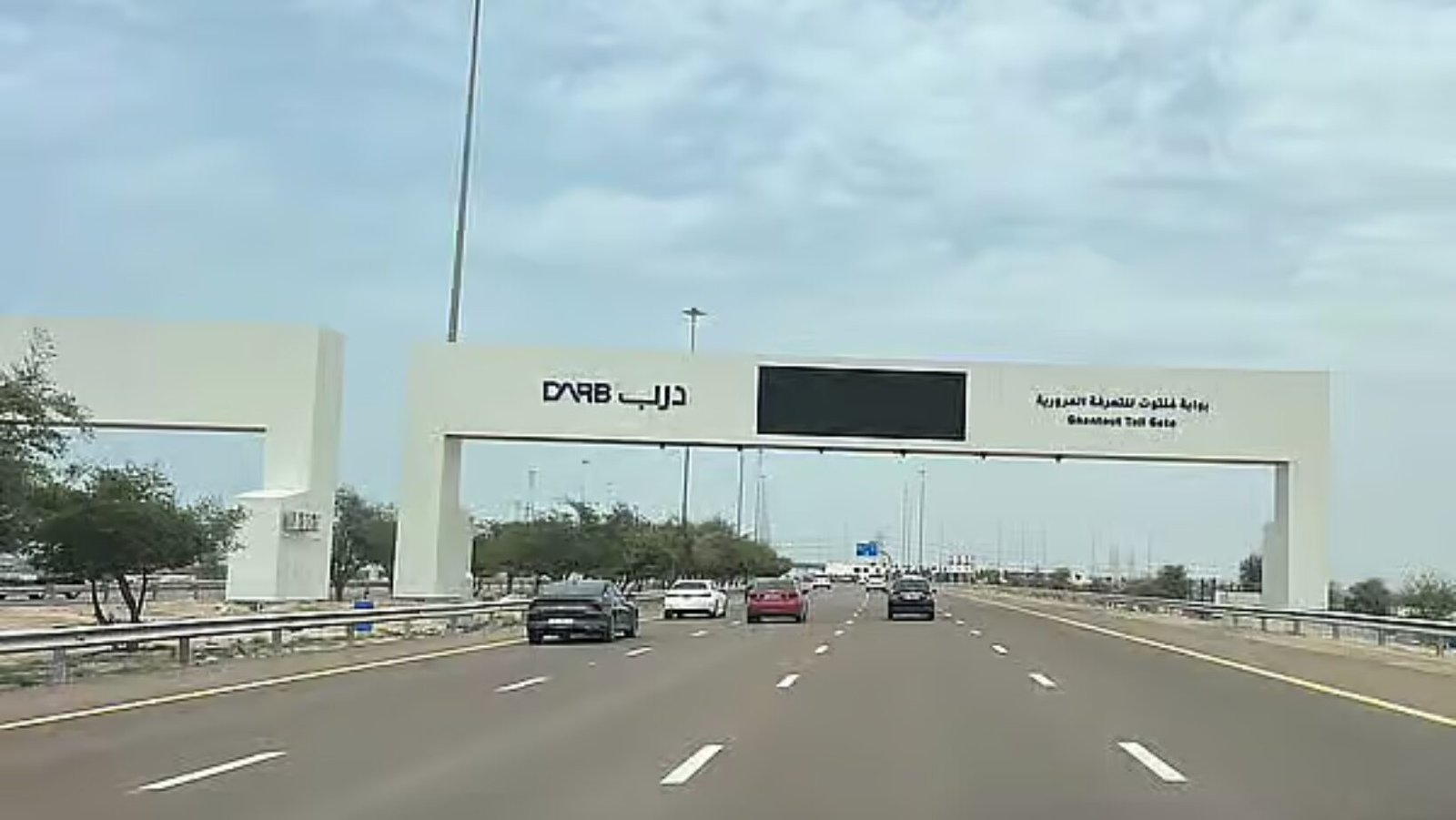
Iran rejects US negotiations under threats Qalibaf says as tensions escalate
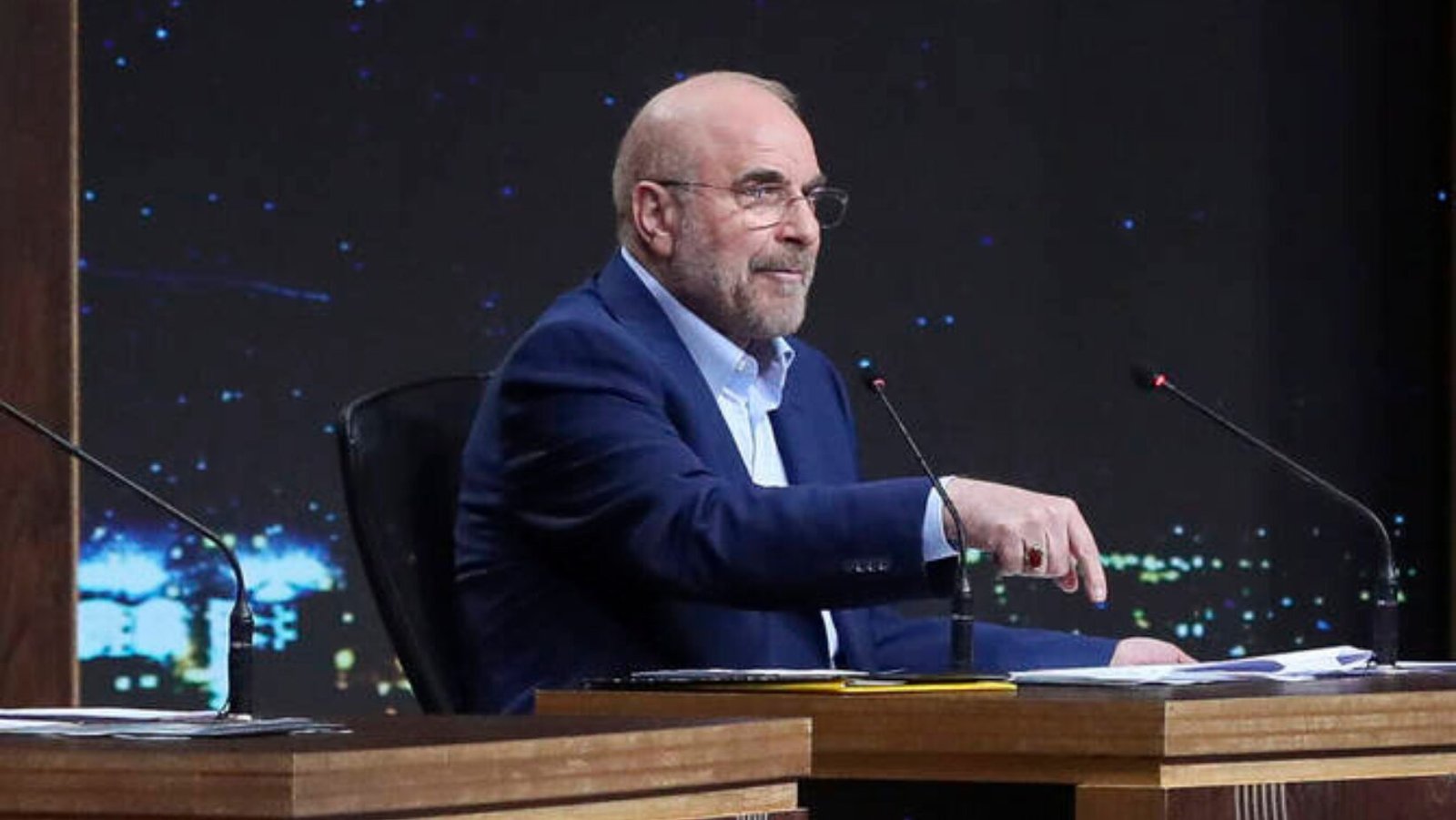
Iran rejects US negotiations under threats Qalibaf says amid ceasefire uncertainty
Iran rejects US negotiations under threats Qalibaf says, signaling a firm stance from Tehran as tensions with Washington continue to rise. The statement reflects deep divisions between the two sides at a critical moment when a temporary ceasefire is nearing its expiration.
Mohammad Baqer Qalibaf made it clear that Iran will not engage in talks under pressure, accusing Donald Trump of attempting to turn diplomacy into what he described as a “table of surrender.”
Iran rejects US negotiations under threats Qalibaf says in strong warning
Iran rejects US negotiations under threats Qalibaf says in a strong message posted publicly, highlighting Tehran’s refusal to compromise under coercion. His remarks underline a growing resistance within Iran’s leadership toward the current negotiation framework.
The statement suggests that Iran views recent US actions not as diplomatic efforts but as attempts to impose conditions. This perception is likely to further complicate any future talks.
In my view, such strong rhetoric indicates that both sides are still far from building the trust needed for meaningful dialogue.
Ceasefire deadline increases pressure on both sides
Iran rejects US negotiations under threats Qalibaf says as a fragile ceasefire approaches its deadline. The temporary truce, which has held for two weeks, is set to expire soon, raising concerns about a possible return to conflict.
The looming deadline adds urgency but also tension, as neither side appears willing to make significant concessions.
From my perspective, deadlines often expose underlying disagreements rather than resolve them, especially in high-stakes conflicts.
US actions trigger sharp response from Tehran
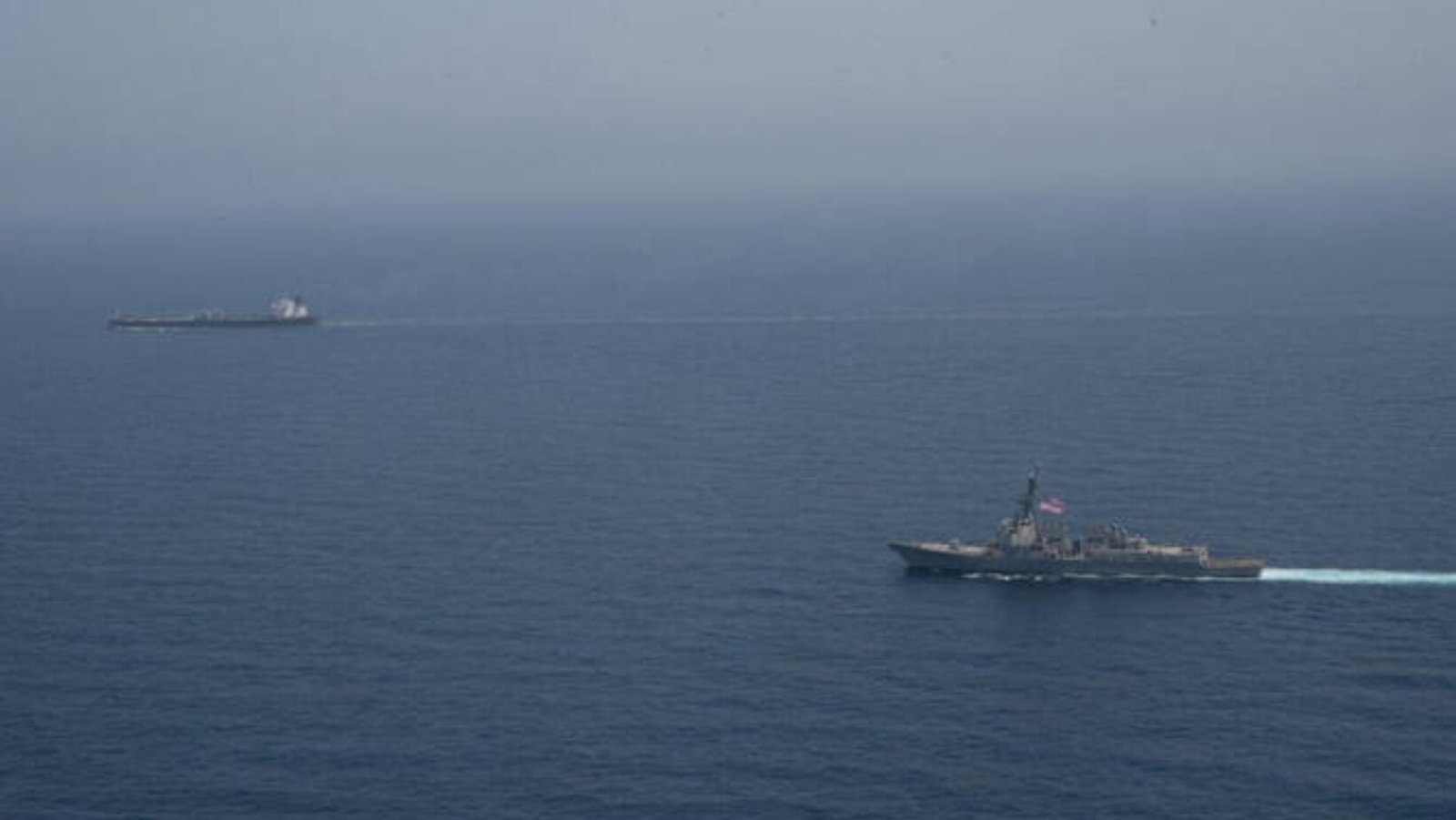
Iran rejects US negotiations under threats Qalibaf says following recent US actions, including the seizure of an Iranian cargo vessel accused of breaching a blockade. Tehran has strongly criticized this move and warned of retaliation.
Such developments have intensified the already strained relationship, making diplomatic progress even more difficult.
In my opinion, actions like these tend to escalate tensions rather than encourage negotiations.
No Iran delegation confirmed for Islamabad talks
Iran rejects US negotiations under threats Qalibaf says amid ongoing uncertainty about potential talks in Islamabad. Reports had suggested that negotiations might take place there, but Iranian state media has denied that any delegation has traveled.
This lack of confirmation casts doubt on the immediate future of diplomatic engagement between the two countries.
From my perspective, the absence of official participation signals that talks are unlikely in the short term.
Internal debate within Iran shapes response
Iran rejects US negotiations under threats Qalibaf says also reflects internal divisions within Iran’s leadership. Different factions appear to have varying views on how to approach negotiations with the United States.
State media, often aligned with more hardline positions, has emphasized resistance to talks under current conditions. This internal dynamic adds another layer of complexity to the situation.
In my opinion, internal political debates can significantly influence a country’s foreign policy decisions.
Rising tensions impact global stability
Iran rejects US negotiations under threats Qalibaf says as the broader conflict continues to affect global energy markets and regional stability. The ongoing tensions have already contributed to uncertainty in oil prices and trade routes.
The situation underscores how geopolitical conflicts can have far-reaching economic consequences.
From my perspective, resolving such disputes is critical not only for regional peace but also for global economic stability.
Diplomatic path remains uncertain
Iran rejects US negotiations under threats Qalibaf says leaves the future of diplomacy uncertain. While both sides have expressed interest in talks at various points, current conditions appear unfavorable for progress.
The lack of trust and ongoing disputes suggest that any breakthrough will require significant changes in approach.
In my view, diplomacy is still possible, but it will require patience, compromise, and a shift in tone from both sides.
Conclusion: firm stance complicates negotiations
Iran rejects US negotiations under threats Qalibaf says highlights the challenges facing efforts to resolve the conflict. With strong positions on both sides, reaching an agreement remains difficult.
As the ceasefire deadline approaches, the risk of escalation increases, making diplomatic efforts more urgent than ever.
In my opinion, a balanced approach that addresses concerns from both sides will be essential for any meaningful progress.
For more Middle East updates, Iran US conflict news, and global analysis, visit TimeOfGulf for trusted coverage, insights, and breaking stories daily.

I gotta favorite this website it seems very useful handy
hello there and thanks on your info – I have certainly picked up anything new from proper here. I did alternatively experience a few technical points the usage of this web site, since I experienced to reload the site many times previous to I may just get it to load properly. I have been wondering in case your web hosting is OK? Not that I am complaining, but slow loading instances times will sometimes affect your placement in google and could harm your quality ranking if advertising and ***********|advertising|advertising|advertising and *********** with Adwords. Anyway I am including this RSS to my email and can glance out for much more of your respective interesting content. Make sure you update this once more soon..