Iran announces alternative routes in Hormuz strait
Iran Announces Alternative Routes in Hormuz Strait Amid Ceasefire
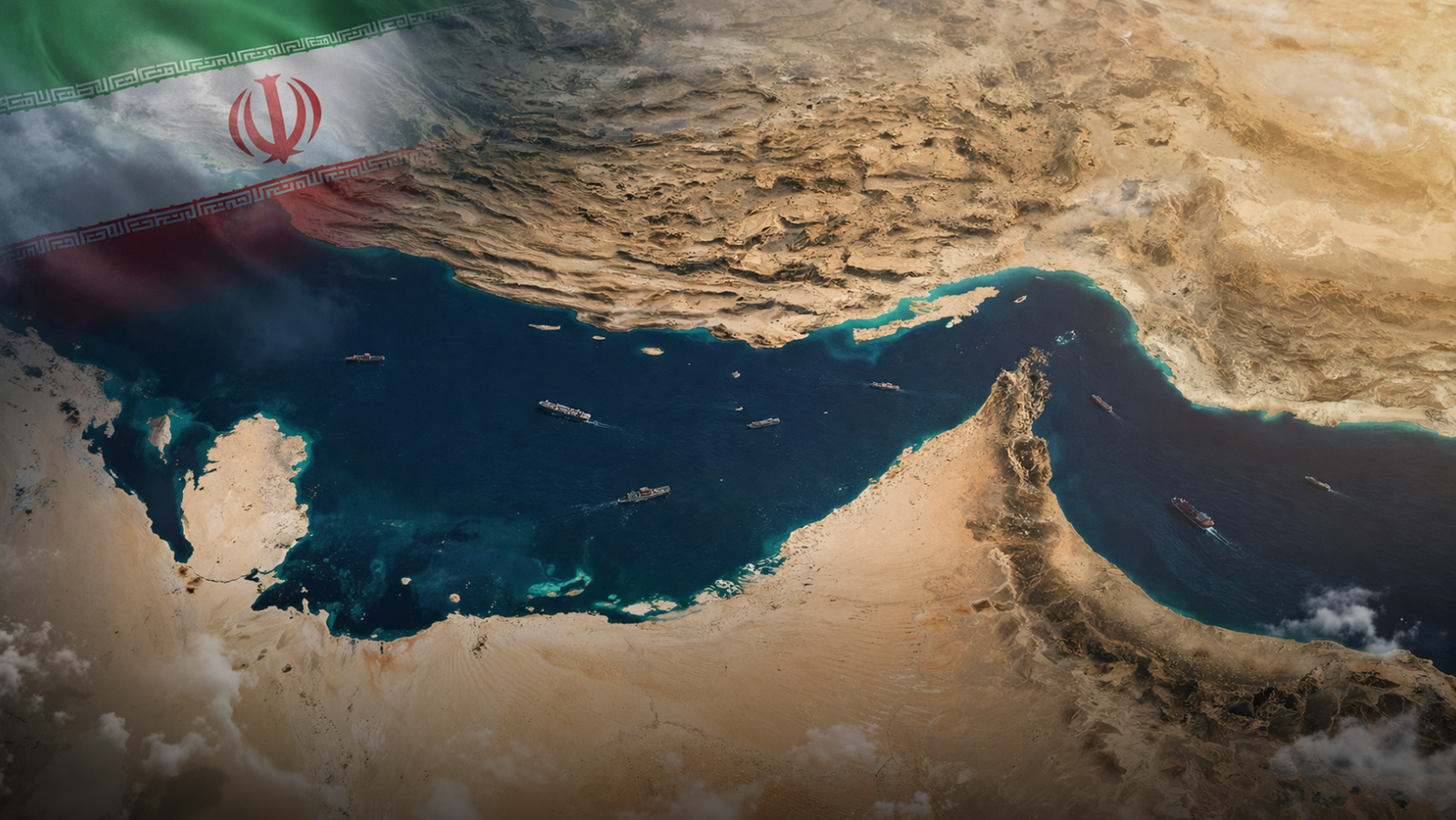
Iran has introduced new navigation pathways for vessels passing through the Strait of Hormuz, responding to ongoing security risks even as a temporary ceasefire with the United States takes effect. The move highlights both a cautious reopening of the vital shipping corridor and continued concerns over maritime safety in the region.
The decision comes shortly after Tehran agreed to reopen the strait for a limited two-week period under a ceasefire arrangement. While this step has been welcomed internationally, authorities in Iran have made it clear that risks remain, particularly due to the suspected presence of sea mines in key transit zones.
New Routes Introduced for Maritime Safety
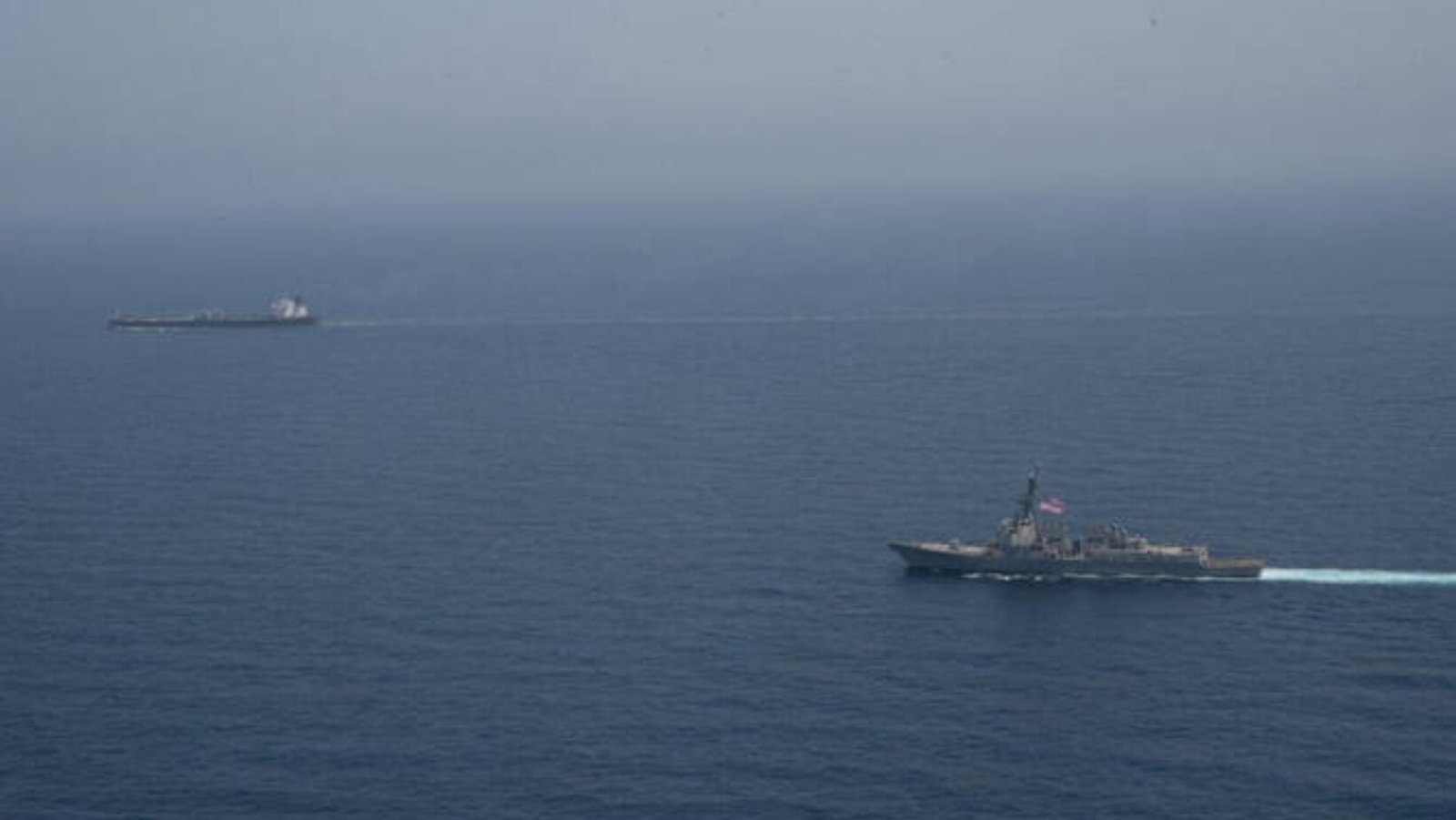
Iran’s Revolutionary Guards issued detailed guidance advising commercial ships and oil tankers to avoid traditional shipping lanes. Instead, vessels are being directed toward alternative routes designed to minimize the risk of collisions or encounters with underwater explosives.
Officials stressed that these measures are precautionary and aimed at protecting both crews and cargo. The alternative routes include specific entry and exit corridors that are considered safer under current conditions.
Shipping companies have been urged to strictly follow these updated directions, as even a minor incident in such a critical waterway could have far-reaching consequences for global trade.
Ceasefire Creates Temporary Window for Stability
The maritime adjustments follow a last-minute diplomatic breakthrough between Iran and the United States. The two sides agreed to a two-week ceasefire just hours before a major escalation deadline, allowing both countries to pause hostilities and open the door for further negotiations.
As part of the agreement, Iran committed to ensuring safe passage through the Strait of Hormuz during the truce. In return, the United States halted immediate military action, easing fears of a broader conflict in the region.
Despite this progress, the introduction of alternative routes shows that Iran is not yet ready to fully restore normal shipping operations. The situation remains sensitive, and authorities are taking a measured approach.
Global Oil Markets React Quickly
The partial reopening of the strait has already influenced global oil prices. Markets that had surged due to earlier disruptions began to stabilize once news of the ceasefire and resumed transit emerged.
However, analysts caution that the recovery may be short-lived if underlying tensions are not resolved. The presence of potential hazards in the waterway continues to create uncertainty, which could keep prices volatile.
Energy traders are closely monitoring developments, particularly any updates regarding the safety of shipping lanes and the progress of diplomatic talks.
Strategic Importance of the Strait Remains Critical
The Strait of Hormuz is one of the most important energy transit routes in the world. A significant portion of global oil exports passes through this narrow passage, connecting producers in the Gulf to international markets.
Any disruption—whether from military conflict or safety concerns—can have an immediate and widespread impact on supply chains and pricing. This is why even temporary measures, such as rerouting ships, attract global attention.
Iran’s actions underline the delicate balance between maintaining control over its strategic assets and supporting the stability of international trade.
Lingering Risks and Regional Tensions
Although the ceasefire has reduced immediate threats, the broader situation remains unresolved. Deep divisions between Iran and the United States continue, particularly over long-term security arrangements and nuclear-related concerns.
Recent weeks have seen heightened tensions across the Middle East, including missile activity and warnings issued by neighboring countries. These developments add to the sense of uncertainty surrounding the ceasefire.
Iran’s cautious reopening of the strait reflects these realities. By allowing limited transit while enforcing safety measures, Tehran is signaling both cooperation and vigilance.
Diplomatic Efforts Face Crucial Test
The coming days are expected to be critical for diplomatic engagement. Officials from both sides are likely to use the ceasefire period to explore possibilities for a more lasting agreement.
If successful, this could lead to a full reopening of the Strait of Hormuz and a reduction in regional tensions. However, any breakdown in talks could quickly reverse recent progress.
Observers note that trust between the parties remains low, making negotiations complex and uncertain. Even small incidents could undermine confidence and escalate the situation again.
Future Outlook Remains Uncertain
For now, the introduction of alternative shipping routes represents a practical response to immediate risks. It allows trade to continue while minimizing potential dangers in a highly sensitive environment.
At the same time, it serves as a reminder that the situation is far from stable. The ceasefire is temporary, and long-term solutions have yet to be achieved.
Global markets, governments, and shipping companies will continue to watch closely as events unfold. The next phase of developments will determine whether the region moves toward lasting peace or returns to heightened conflict.
For more updates on Iran developments, Strait of Hormuz shipping, and global oil market trends, follow ongoing coverage on Time of Gulf.