
Iran teams in Pakistan for peace talks doubts over Lebanon and sanctions demands
Iran teams in Pakistan for peace talks doubts grow as Tehran sets conditions before negotiations
Senior US and Iranian officials have arrived in Islamabad for high-level negotiations aimed at ending weeks of conflict, but uncertainty surrounds the process as Tehran insists on key preconditions before talks begin.
The Iran teams in Pakistan for peace talks doubts have emerged as Iranian leaders demand commitments on a Lebanon ceasefire and relief from economic sanctions, raising questions about whether negotiations can proceed as planned.
High-Level Delegations Arrive in Islamabad
The United States delegation, led by Vice President JD Vance, arrived in Islamabad aboard US Air Force aircraft. The team also includes senior officials tasked with negotiating terms to stabilize the region.
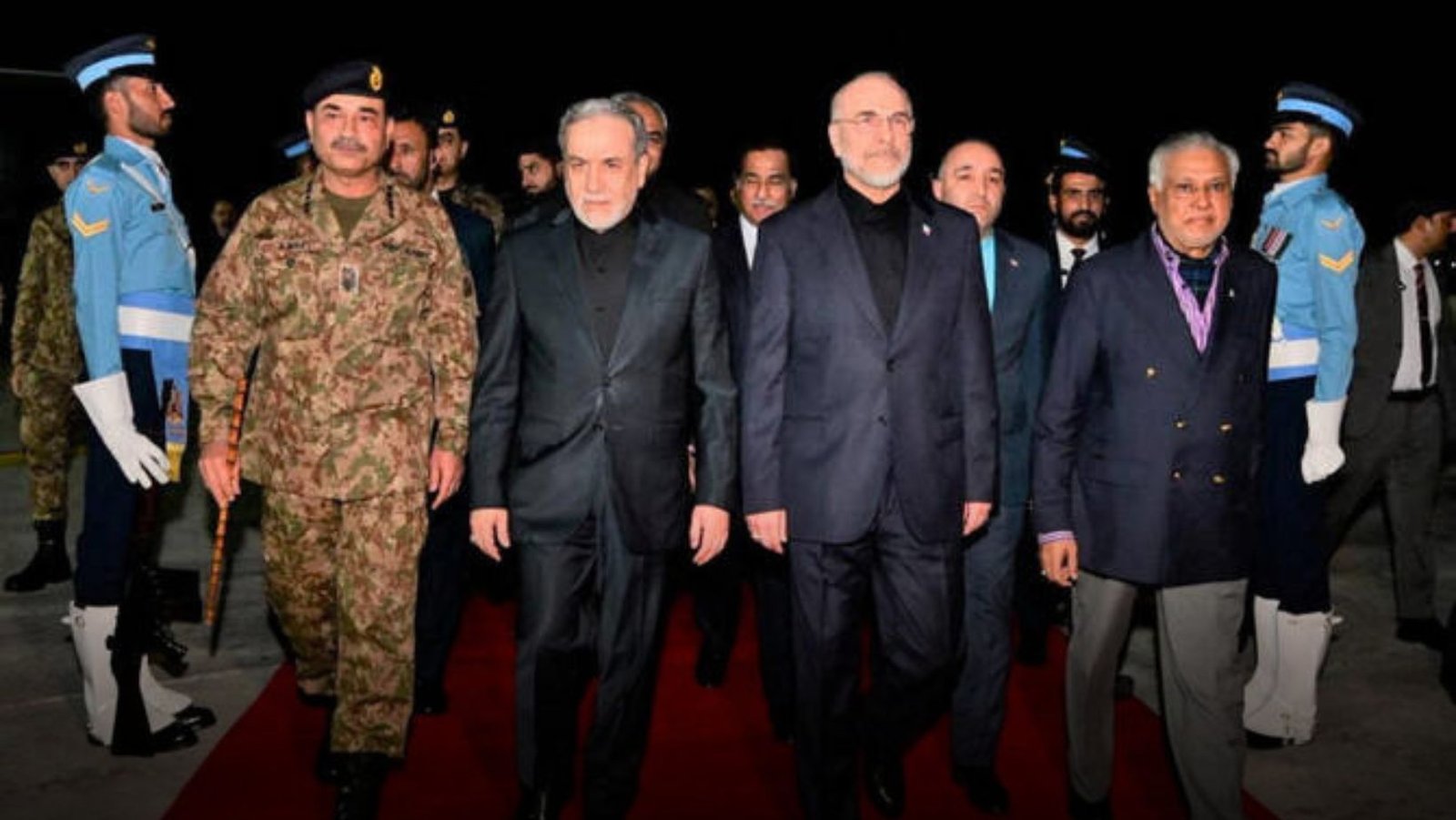
Iran’s delegation, led by parliamentary Speaker Mohammad Baqer Qalibaf and Foreign Minister Abbas Araghchi, reached Pakistan a day earlier. Their presence marks one of the most significant diplomatic engagements between the two countries in decades.
The Iran teams in Pakistan for peace talks doubts reflect the high stakes involved in these discussions.
Iran Sets Preconditions for Talks
Shortly after arriving, Iranian officials stated that negotiations would not begin without clear commitments from Washington. These include a ceasefire in Lebanon and the removal of sanctions that have impacted Iran’s economy.
Qalibaf emphasized a lack of trust based on past experiences, noting that previous agreements with the United States were not upheld. The Iran teams in Pakistan for peace talks doubts highlight these deep-rooted concerns.
Trust Deficit Complicates Diplomacy
Iranian leadership has openly expressed skepticism about US intentions. Officials pointed to previous negotiations that failed to deliver lasting results, reinforcing hesitation ahead of the current talks.
Statements from Tehran indicate that while there is willingness to negotiate, confidence in the process remains limited. The Iran teams in Pakistan for peace talks doubts underline the fragile foundation of these discussions.
US Response and Strategic Position
US President Donald Trump responded to Iran’s position through social media, asserting that Tehran holds limited leverage in negotiations. He emphasized that the opportunity for dialogue is a result of current geopolitical circumstances.
Vice President JD Vance echoed a more measured tone, stating that the United States is open to good faith negotiations but will remain firm if challenged. The Iran teams in Pakistan for peace talks doubts continue to shape the US approach.
Strait of Hormuz Remains a Key Issue
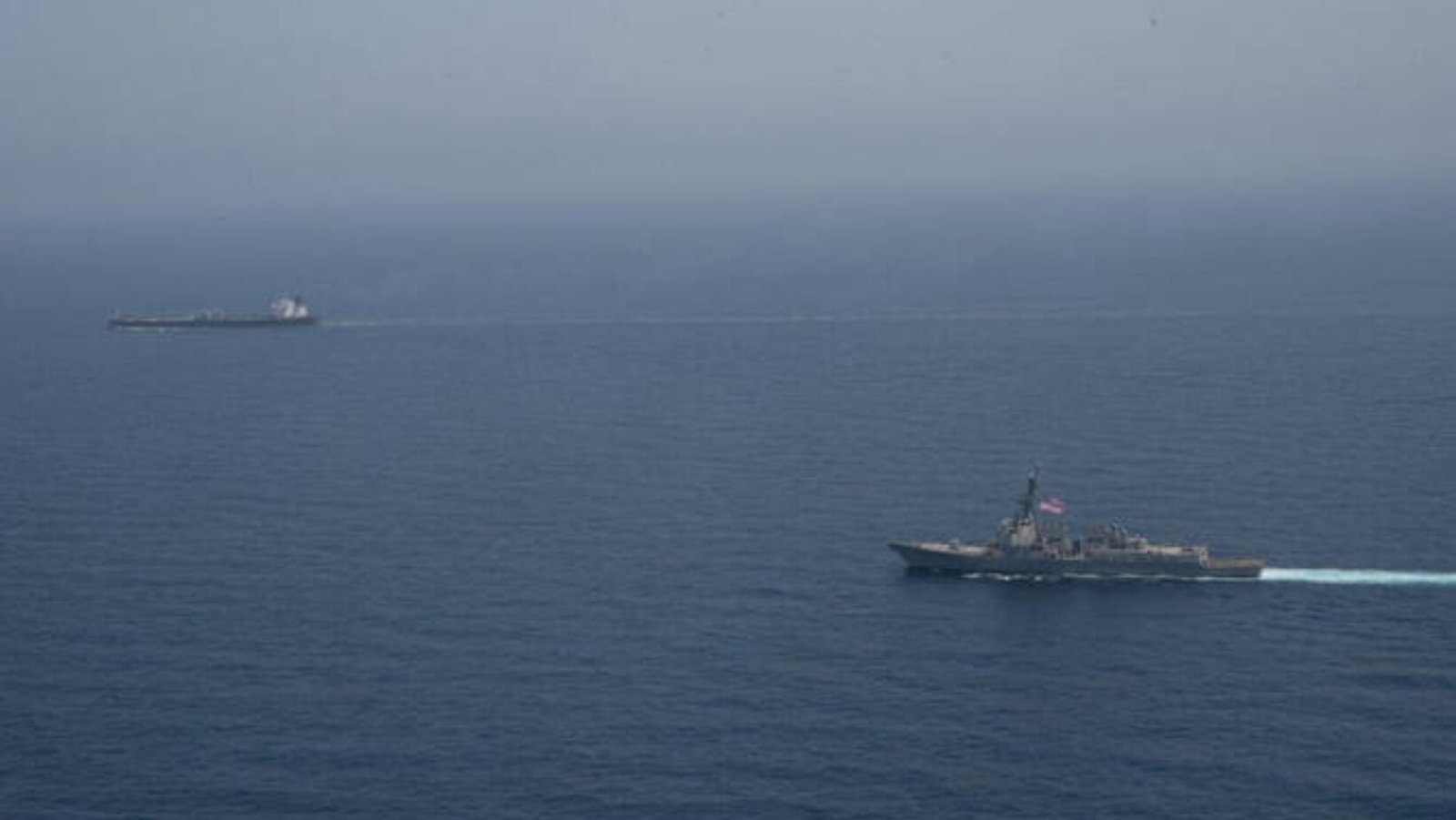
A major point of contention is Iran’s control over the Strait of Hormuz, a critical global energy route. Tehran has signaled its intention to maintain influence over the waterway, including potential control measures.
Disruptions in the strait have already affected global energy markets, contributing to economic uncertainty. The Iran teams in Pakistan for peace talks doubts are closely tied to this strategic issue.
Lebanon Conflict Adds Pressure
The ongoing conflict in Lebanon remains a major obstacle to progress. Iran insists that a ceasefire in Lebanon must be part of any broader agreement, while the US and Israel view it as a separate issue.
Recent violence, including strikes and rocket exchanges, has intensified tensions. The Iran teams in Pakistan for peace talks doubts are further complicated by these parallel conflicts.
Security Measures in Islamabad
Authorities in Islamabad have implemented extensive security arrangements ahead of the talks. Thousands of security personnel have been deployed, and the city is under strict control to ensure the safety of delegations.
Pakistan’s leadership has described the negotiations as critical, emphasizing their importance for regional stability. The Iran teams in Pakistan for peace talks doubts add urgency to these efforts.
Economic and Global Implications
The outcome of the talks could significantly impact global markets, particularly in the energy sector. Continued disruption in oil supply routes has already contributed to rising costs and economic instability.
A successful agreement could ease pressure on global supply chains, while failure may prolong uncertainty. The Iran teams in Pakistan for peace talks doubts are therefore being closely watched worldwide.
Hardline Positions Ahead of Talks
Iran’s leadership has taken a firm stance, demanding compensation for wartime damage and recognition of its strategic interests. These demands reflect a broader effort to reshape regional power dynamics.
Analysts suggest that such positions could complicate negotiations but may also serve as leverage in discussions. The Iran teams in Pakistan for peace talks doubts highlight the challenges of bridging these differences.
Uncertain Path Forward
Despite the presence of high-level delegations, the success of the talks remains uncertain. Both sides face pressure to deliver results while managing domestic and international expectations.
The Iran teams in Pakistan for peace talks doubts underscore the complexity of reaching an agreement that satisfies all parties involved.
Conclusion
The arrival of US and Iranian officials in Islamabad represents a significant opportunity for diplomacy, but major obstacles remain. Iran’s demands and the ongoing conflicts in the region continue to cast doubt over the negotiations.
The Iran teams in Pakistan for peace talks doubts reflect the fragile nature of the process and the challenges ahead. Whether these talks can lead to a lasting resolution will depend on compromise, trust-building, and sustained diplomatic engagement.
For more updates on global diplomacy, Iran-US relations, and Middle East developments, follow ongoing coverage on TimeOfGulf.

One thought on “Iran teams in Pakistan for peace talks doubts over Lebanon and sanctions demands”