

North Korea seeks US recognition as nuclear state as Kim Jong Un addresses Washington directly
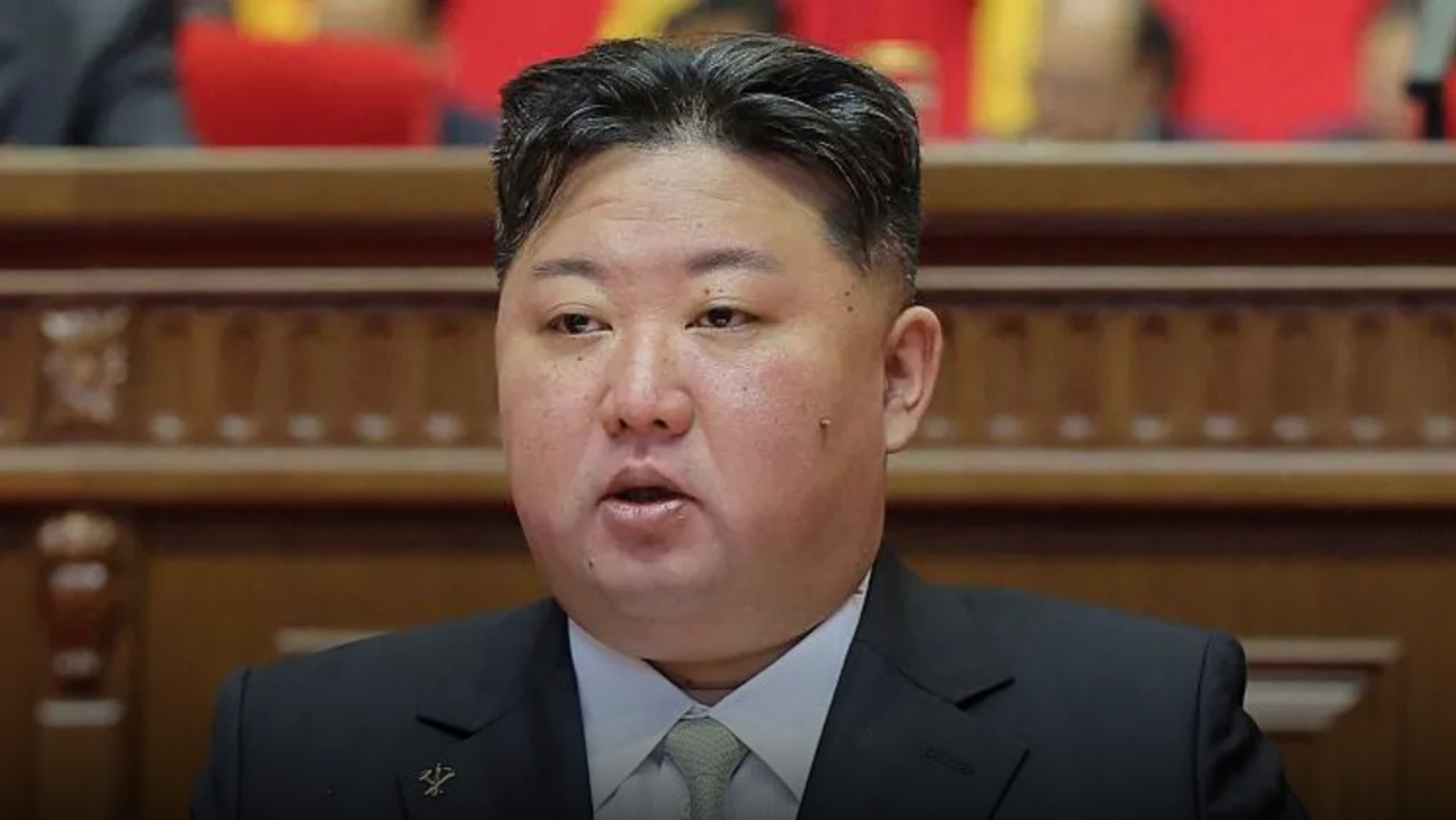
Kim Jong Un says peaceful coexistence with US is possible if nuclear status recognized
North Korea seeks US recognition as nuclear state, according to leader Kim Jong Un, who addressed the Ninth Congress of the Workers’ Party of Korea in Pyongyang. Kim directly spoke to Washington, stressing that the US formally acknowledging North Korea as a nuclear-armed state could create conditions for peaceful coexistence.
He emphasized that the trajectory of bilateral relations depends entirely on the United States. “If the US respects our constitutional status and abandons hostile policies, there is no reason why our countries cannot coexist peacefully,” Kim said, highlighting that the choice between peace and confrontation rests with Washington.
While opening the door for dialogue, Kim reaffirmed that North Korea will not consider denuclearisation. The country is set to expand its nuclear arsenal and operational capabilities, strengthening its position as a permanent nuclear power. “Our nuclear program is a non-negotiable element of our national security,” he added.
Nuclear arsenal expansion underscores dual strategy of North Korea seeks US recognition as nuclear state
North Korea seeks US recognition as nuclear state while pledging significant growth of its nuclear capabilities. Experts note that Pyongyang’s approach balances maintaining a strong deterrent with signaling limited readiness for talks.
Independent assessments suggest North Korea possesses dozens of assembled nuclear warheads, with sufficient fissile material to produce more, although verification is difficult due to the regime’s secrecy. This dual approach—military preparedness combined with conditional diplomacy—demonstrates North Korea’s intent to protect itself while keeping the option for negotiations open.
An analyst explained, “North Korea is maintaining its nuclear strength while signaling controlled openness to dialogue, aiming to maximize leverage in any potential engagement with Washington.” This strategy reflects decades of careful planning and self-reliant defense doctrine.
Relations with South Korea remain tense as North Korea seeks US recognition as nuclear state
While Kim signaled possible coexistence with the US, he maintained a confrontational stance toward South Korea. Describing Seoul as the North’s “most hostile entity,” he stated that the South would be permanently excluded from the category of compatriots.
This rhetoric underscores the ongoing deterioration in inter-Korean relations. Although previous engagement attempts occurred, North Korea continues to view South Korea with suspicion, complicating any potential multilateral dialogue. Analysts believe that Kim’s willingness to engage Washington may be a strategic maneuver to isolate South Korea diplomatically.
International concerns grow as North Korea seeks US recognition as nuclear state
North Korea seeks US recognition as nuclear state amid persistent international anxiety over its nuclear program. Washington and allied nations regard Pyongyang’s nuclear arsenal as a significant threat to regional and global security. International observers closely monitor missile tests, nuclear advancements, and military drills to evaluate potential risks.
Experts stress that recognizing North Korea as a nuclear power could disrupt non-proliferation norms and shift the strategic balance in Northeast Asia. Countries such as Japan, South Korea, and China, which have vested regional interests, remain closely attuned to developments that could impact their security calculus.
Diplomatic messaging shows conditional readiness for dialogue
North Korea seeks US recognition as nuclear state while signaling conditional readiness for diplomatic engagement. Analysts suggest Kim’s statements may be designed to influence upcoming high-level discussions in Washington.
The messaging conveys that Pyongyang is prepared for peaceful coexistence or continued confrontation depending on US policies. By setting clear conditions, North Korea seeks to frame negotiations on terms favorable to its strategic interests while emphasizing its permanent nuclear status.
Historical context underscores persistent nuclear stance
North Korea has consistently argued that its nuclear program is essential for national defense. Previous statements from Kim and other officials have rejected denuclearisation, portraying the arsenal as a critical safeguard against external threats.
Observers note that North Korea’s approach reflects decades of strategic planning. The country has relied on nuclear capability as both a deterrent and a bargaining chip in international relations, reinforcing its longstanding position that official recognition as a nuclear state is necessary for security assurances.
Possible outcomes and regional implications
North Korea seeks US recognition as nuclear state, prompting questions about potential diplomatic and military outcomes. Should the United States recognize Pyongyang’s nuclear status, structured talks could reduce immediate tensions. Conversely, refusal may result in accelerated missile development, sanctions, and higher geopolitical risks.
Analysts emphasize that strategic patience and coordinated multilateral engagement could prevent escalation while preserving regional stability. How the US and its allies respond will likely determine whether the path leads to dialogue or deeper confrontation.
Conclusion: balancing nuclear deterrence and diplomacy
North Korea seeks US recognition as nuclear state, highlighting the delicate balance between maintaining nuclear deterrence and pursuing conditional diplomacy. Kim Jong Un’s statements make it clear that coexistence with the United States is possible only under strict recognition of North Korea’s nuclear status and abandonment of perceived hostile policies.
The international community continues to monitor developments closely, assessing whether these declarations will lead to renewed talks or prolonged tensions. Analysts recommend careful observation of both North Korean actions and US responses as regional security dynamics evolve.
For continuous updates, follow TimeOfGulf and review official statements from North Korea’s state media and US government briefings.