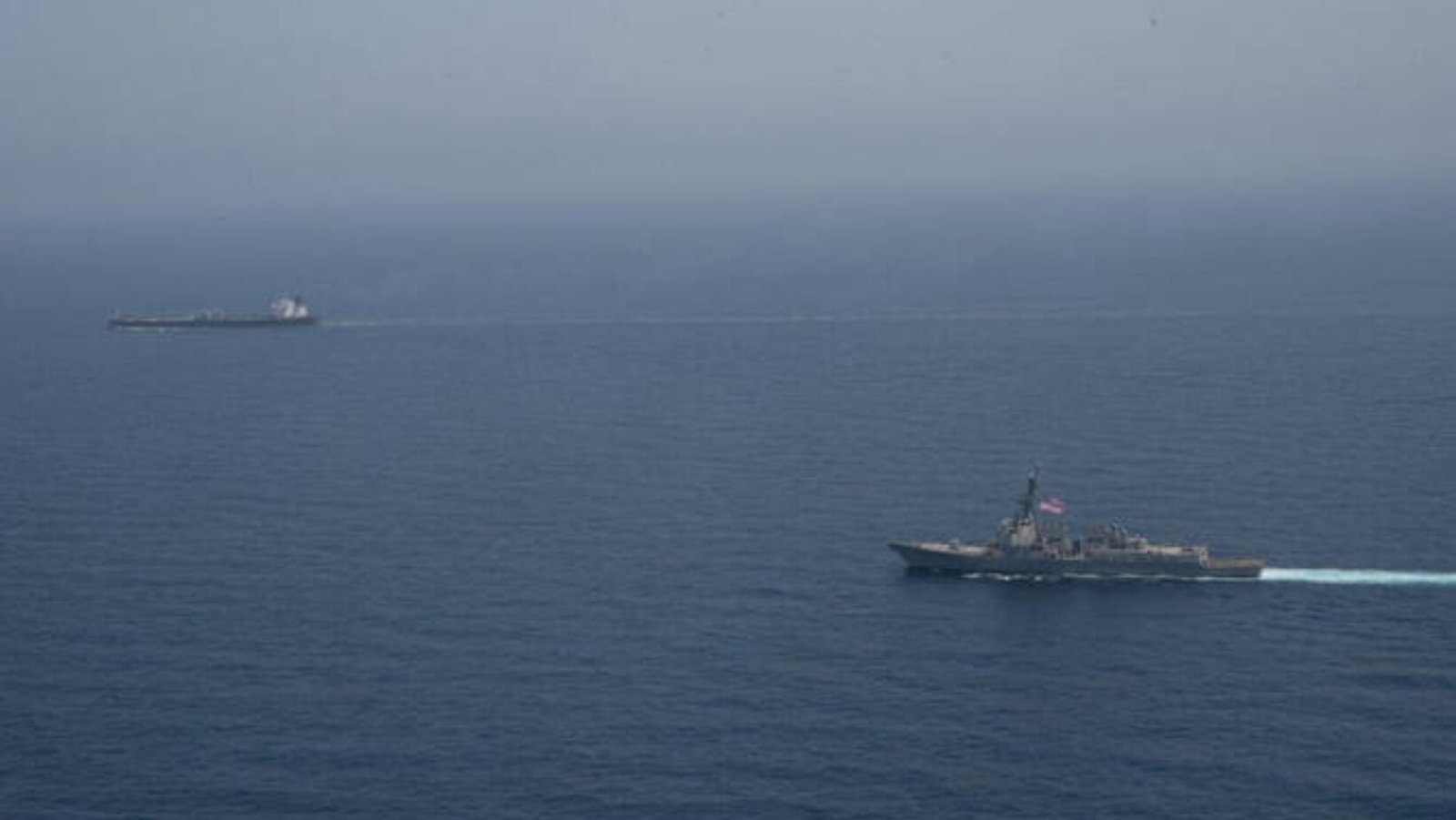
Israel backs Trump two week pause Iran strikes amid ongoing regional tensions
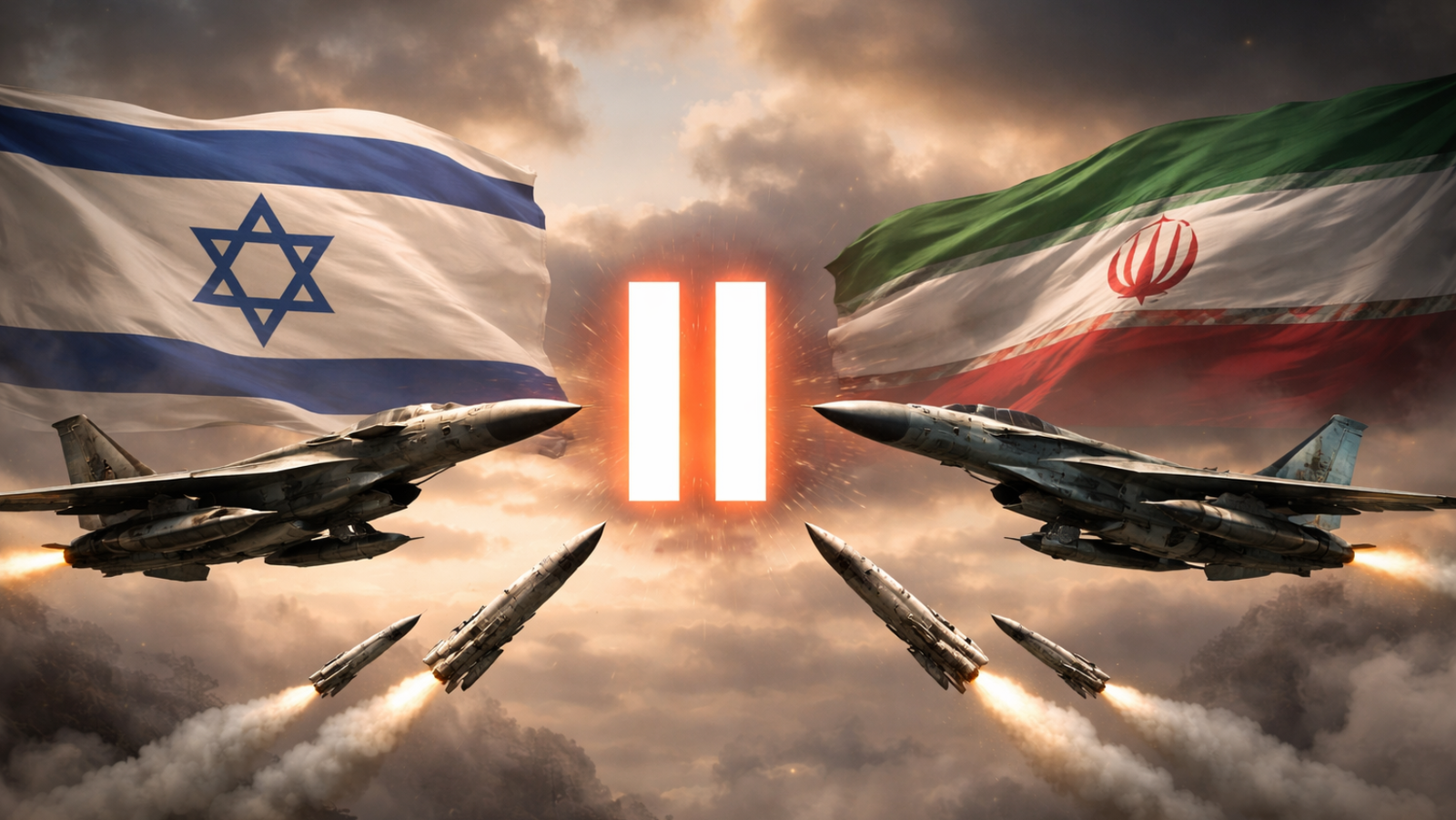
Israel backs Trump two week pause Iran strikes but excludes Lebanon conflict
Israel has officially backed the United States decision to pause military strikes against Iran for two weeks, signaling cautious support for a temporary de-escalation effort in the Middle East. However, Israeli officials clarified that the pause does not extend to ongoing military operations in Lebanon, where conflict continues to intensify.
The announcement comes after U.S. President Donald Trump decided to suspend offensive actions against Iran in order to create space for diplomatic negotiations. The move is part of a broader effort to prevent further escalation following weeks of intense military exchanges across the region.
Israel’s Position on the Ceasefire
Israeli Prime Minister Benjamin Netanyahu’s office confirmed that Israel supports the U.S. decision, provided that Iran meets key conditions. These include the immediate reopening of the Strait of Hormuz and a halt to attacks against the United States, Israel, and other regional countries.
The Israel backs Trump two week pause Iran strikes development reflects a strategic alignment between Washington and Tel Aviv, even as both countries maintain pressure on Iran over its military and nuclear activities. Israeli officials emphasized that their support is conditional and dependent on Iran’s actions during the pause.
Lebanon Excluded from the Agreement
Despite backing the ceasefire framework, Israel made it clear that operations in Lebanon will continue. Officials stated that the pause applies only to direct hostilities involving Iran and does not cover ongoing conflict with Hezbollah forces in Lebanon.
The Israel backs Trump two week pause Iran strikes agreement has therefore created a complex situation, where one front of the conflict may cool down while another remains active. This distinction highlights the broader regional nature of the crisis, involving multiple actors and overlapping conflicts.
The situation in Lebanon remains severe, with ongoing air and ground operations contributing to significant casualties and displacement. The exclusion of Lebanon from the ceasefire has raised concerns about continued instability in the region.
US and Israel Strategic Coordination
Israel also expressed strong support for U.S. efforts to ensure that Iran no longer poses what it described as a nuclear, missile, or security threat to the region. Officials noted that Washington has reaffirmed its commitment to achieving shared strategic goals through upcoming negotiations.
The Israel backs Trump two week pause Iran strikes move underscores continued cooperation between the two allies, particularly in addressing concerns about Iran’s military capabilities and regional influence.
At the same time, U.S. officials have indicated that the pause is intended to open a diplomatic pathway rather than signal a long-term shift in policy. Both countries appear to be balancing military readiness with diplomatic engagement.
Upcoming US-Iran Negotiations
Iran has confirmed that negotiations with the United States are scheduled to begin in Islamabad. The talks are expected to focus on reducing tensions, addressing key disputes, and potentially laying the groundwork for a broader agreement.
The Israel backs Trump two week pause Iran strikes development is seen as a crucial step toward enabling these discussions. However, analysts warn that deep-rooted disagreements between the two sides could limit progress.
Iran’s position includes demands related to sanctions relief, regional military presence, and control over strategic waterways. These issues are likely to be central points of debate during the negotiations.
Role of Regional Mediation
Pakistan has played a notable role in facilitating dialogue between the parties. Its leadership has encouraged both sides to allow diplomacy to proceed and has supported efforts to reduce immediate hostilities.
The involvement of regional actors reflects the broader impact of the conflict and the shared interest in preventing further escalation. The Israel backs Trump two week pause Iran strikes agreement demonstrates how diplomatic channels can still function even in highly tense situations.
Continued Risks and Regional Impact
Despite the ceasefire announcement, tensions remain high across the Middle East. Military alerts and defensive actions continue, indicating that the situation is still volatile.
The Israel backs Trump two week pause Iran strikes decision provides temporary relief but does not resolve the underlying issues driving the conflict. Ongoing hostilities in Lebanon and the broader regional dynamics continue to pose significant risks.
The humanitarian impact of the conflict is also a major concern. Continued fighting in Lebanon has led to heavy casualties and widespread displacement, adding urgency to calls for a more comprehensive peace effort.
Conclusion
Israel’s support for the U.S. decision to pause strikes against Iran represents a key moment in efforts to de-escalate regional tensions. While the move opens the door for diplomacy, the exclusion of Lebanon from the ceasefire highlights the complexity of the conflict.
The Israel backs Trump two week pause Iran strikes development offers a temporary opportunity for dialogue, but lasting peace will depend on the outcome of upcoming negotiations and the willingness of all parties to reduce hostilities.
For more updates on Middle East conflicts, diplomacy, and global security developments, visit TimeOfGulf for continuous coverage.