US and Iran to Hold Nuclear Talks in Geneva Amid Growing Pressure for a New Nuclear Deal

US and Iran scheduled to meet in Geneva for high-stakes nuclear negotiations as tensions escalate across the Middle East
GENEVA: The United States and Iran are set to hold a third round of indirect nuclear talks in Geneva this week, as diplomatic and military pressures mount on both sides. These discussions are widely seen as a pivotal moment in the effort to prevent a broader regional conflict while attempting to revive a potential nuclear agreement.
Officials from Washington and Tehran are expected to explore measures aimed at addressing concerns surrounding Iran’s nuclear programme. The Geneva talks come amid rising tensions in the Middle East, with the US signaling that failure to reach an agreement could prompt further escalation, including potential military options.
Historical context and stakes of US-Iran nuclear negotiations
For decades, Iran’s nuclear programme has been a source of international scrutiny and concern. The United States and its allies have repeatedly accused Tehran of pursuing nuclear weapons capabilities, allegations that Iranian authorities deny. Iran insists its nuclear efforts are for peaceful, civilian purposes, although its enrichment of uranium to higher levels has drawn scrutiny from international watchdogs.
Previous rounds of talks, including indirect negotiations mediated through European and regional intermediaries, have produced partial agreements but have failed to resolve key disagreements. The upcoming Geneva discussions are considered a critical opportunity to establish concrete commitments on uranium enrichment, monitoring, and stockpile management.
Key proposals and diplomatic considerations
Sources familiar with the negotiations suggest that potential proposals under consideration may involve strict limits on Iran’s uranium enrichment, robust verification mechanisms, and precise controls over its stockpile of highly enriched material. In return, Tehran is expected to seek relief from the severe economic sanctions that have weighed heavily on its economy, impacting trade, banking, and energy exports.
However, significant hurdles remain. Iran has stated that it will not discuss its ballistic missile programme or its regional alliances, while US officials have yet to outline the specific conditions that would constitute a final agreement. This lack of clarity creates uncertainty over whether a consensus can be reached during the Geneva talks.
Military presence and regional security concerns
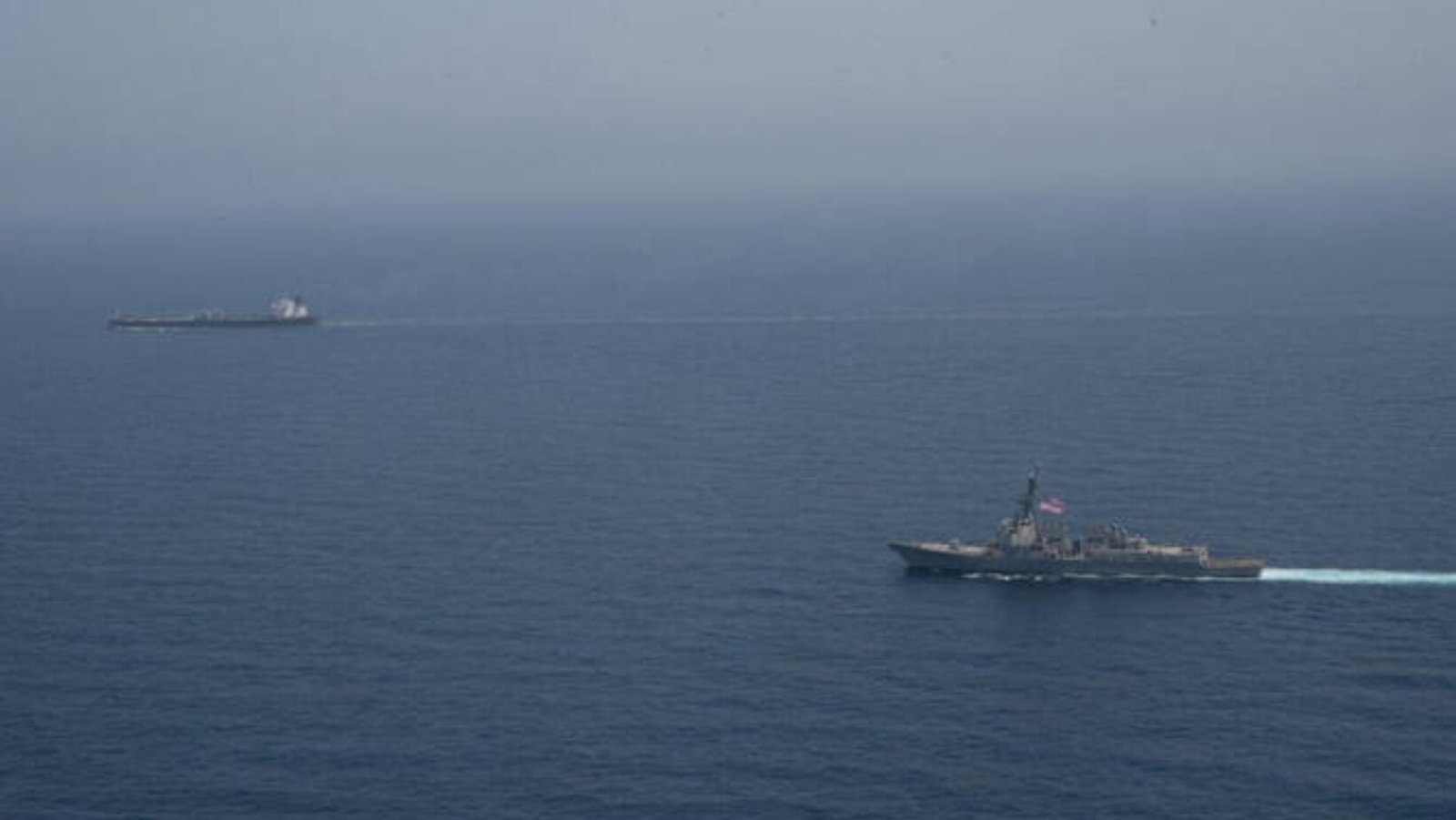
In parallel with diplomatic efforts, military activity in the Middle East has intensified. The US has deployed additional troops, naval assets, and surveillance resources to the region, reinforcing its readiness should negotiations fail. Iranian officials have warned that any military action against the country would trigger a forceful response, heightening fears of a larger regional conflict that could affect neighboring states.
Analysts note that the combination of diplomacy and military positioning is typical in high-stakes negotiations, designed to provide leverage while keeping avenues for dialogue open. The Geneva talks are thus taking place in a tense environment where both sides are under domestic and international scrutiny.
Domestic pressures shaping negotiations
Both Washington and Tehran face internal political pressures. In the United States, policymakers are monitoring the talks closely, with some factions advocating for a stricter approach to Iran, while others emphasize diplomacy. Meanwhile, Iran’s leadership must balance the demands of hardliners who oppose concessions with the economic realities that have been exacerbated by sanctions.
Diplomatic observers suggest that the coming discussions may be one of the last opportunities to negotiate meaningful limitations on Iran’s nuclear programme before further military escalation becomes more likely. Both sides are aware that failure could dramatically reshape the regional security landscape and influence global markets, particularly in energy and trade sectors.
Potential outcomes and implications for global stability
If successful, the Geneva talks could lay the groundwork for a renewed nuclear deal, limiting Iran’s nuclear capabilities and establishing verification mechanisms to ensure compliance. Such an outcome would likely ease tensions in the Gulf, reduce the risk of conflict, and potentially lead to the gradual lifting of economic sanctions, benefiting both Iran and global trade partners.
Conversely, failure to reach an agreement could escalate tensions, potentially prompting new strikes against Iranian facilities, further destabilizing the region, and disrupting global energy markets. International observers note that even limited conflict in the Gulf could have far-reaching consequences for shipping, oil prices, and regional alliances.
Strategic importance of the Geneva talks
The Geneva negotiations are widely regarded as a decisive moment for US-Iran relations. Both sides recognize the high stakes, not only for regional security but also for global diplomacy and economic stability. Analysts believe that while military options remain on the table, both Washington and Tehran have incentives to pursue a diplomatic resolution to avoid costly confrontation.
International organizations and neutral mediators are closely monitoring the discussions, emphasizing the importance of transparency and adherence to international agreements. The success or failure of these talks will likely influence future negotiations on other regional security issues, including missile programs, proxy conflicts, and broader US-Iran relations.
Looking ahead: cautious optimism amid uncertainty
While challenges remain, the Geneva talks offer a potential path toward renewed dialogue and a framework for a comprehensive nuclear deal. Observers emphasize that the outcome will depend on compromise, verification, and the ability of both sides to manage domestic pressures while engaging constructively in diplomacy.
The coming days are expected to be crucial in shaping the trajectory of US-Iran relations. International actors, including European mediators, are urging both sides to seize this opportunity to stabilize the region and avert further escalation.
For more latest news articles and breaking news, visit our website