
US-Iran negotiations will take time Turkish VP says as complex issues slow peace efforts
US-Iran negotiations will take time Turkish VP says amid ongoing tensions and diplomatic efforts
US-Iran negotiations will take time Turkish VP says, highlighting the complexity of ongoing diplomatic efforts aimed at resolving one of the most sensitive geopolitical conflicts in the Middle East. The statement reflects growing recognition among regional leaders that a quick resolution is unlikely.
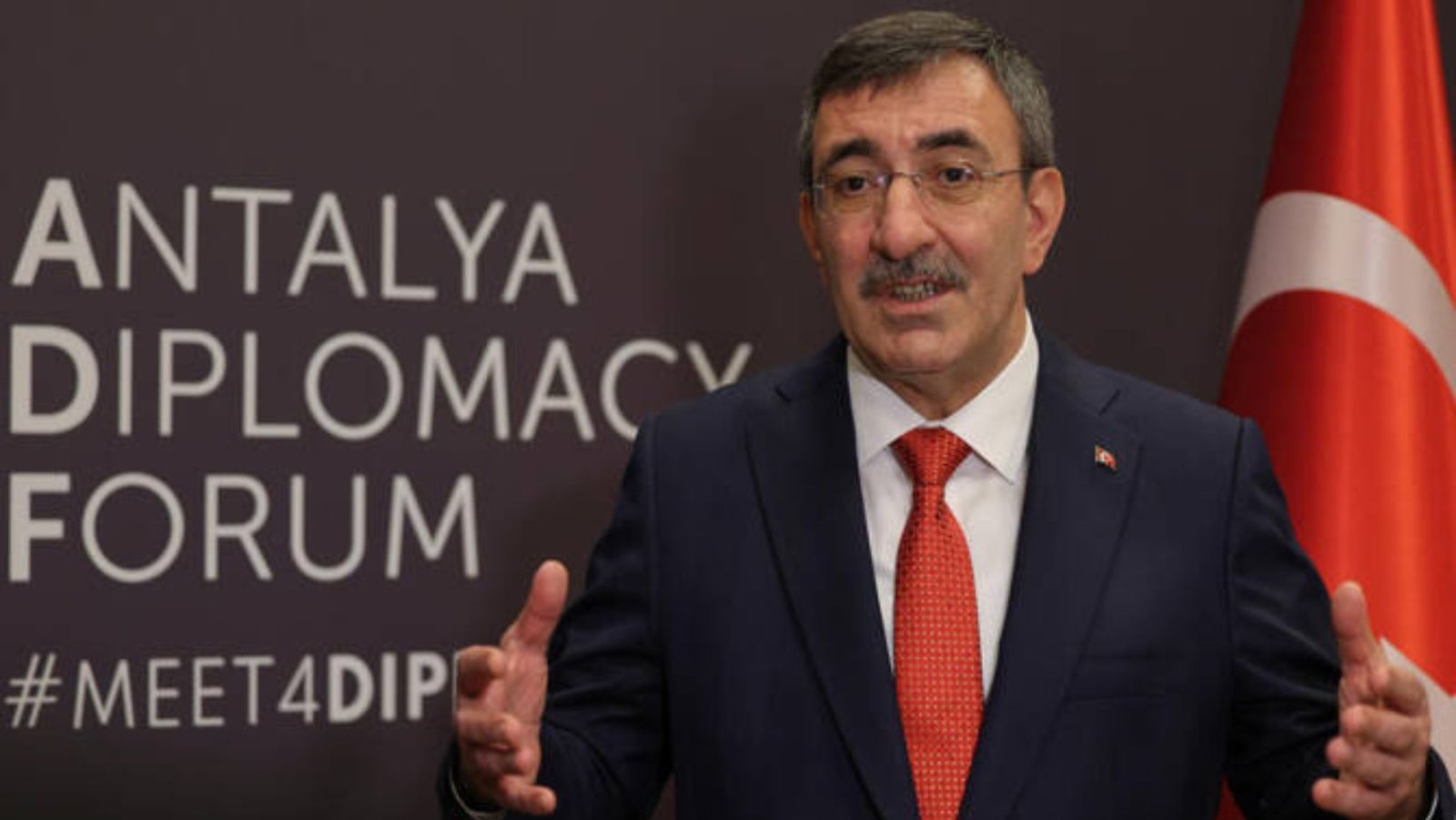
Speaking to international media, Turkish Vice President Cevdet Yilmaz emphasized that while all parties hope for a swift agreement, the reality is far more complicated. He noted that negotiations involve multiple layers of political, military, and strategic considerations that cannot be resolved overnight.
Complex issues continue to delay progress
US-Iran negotiations will take time Turkish VP says underscores the depth of challenges facing both sides. According to Yilmaz, there are many “complex issues” on the table, including nuclear policies, regional security concerns, and control over key trade routes.
These issues have long been points of contention between Iran and the United States, making negotiations particularly difficult. While some progress has reportedly been made, significant gaps remain.
In my view, the complexity of these talks is not surprising. When negotiations involve both security and economic interests, reaching consensus becomes a slow and delicate process.
Turkey supports mediation efforts
US-Iran negotiations will take time Turkish VP says also highlights Turkey’s role in supporting diplomatic efforts led by Pakistan. Ankara has been actively backing initiatives aimed at bringing both sides closer to a resolution.
Yilmaz expressed confidence that negotiations would continue, even if progress is gradual. This suggests that regional players remain committed to finding a peaceful solution despite ongoing challenges.
From my perspective, the involvement of multiple mediators can be beneficial. It allows for different perspectives and increases the chances of finding common ground.
Strait of Hormuz linked to peace outcome
US-Iran negotiations will take time Turkish VP says draws a direct connection between the outcome of talks and the situation in the Strait of Hormuz. Yilmaz stressed that free navigation through the strait depends on achieving a comprehensive settlement.
The waterway is one of the most critical routes for global oil shipments, and its stability is closely tied to regional peace. Iran has indicated that it will maintain control over traffic until the conflict fully ends.
In my opinion, this linkage raises the stakes of the negotiations. It means that delays not only affect diplomacy but also global energy security.
Iran reviewing new US proposals
US-Iran negotiations will take time Turkish VP says comes as Iran evaluates new proposals presented through mediation channels. According to Iran’s Supreme National Security Council, these proposals were delivered during recent diplomatic engagements.
However, Iran has not yet responded, indicating that further discussions are needed. The council also stated that any future talks would require the United States to adjust its demands to reflect current realities.
From my perspective, this phase of review is crucial. It allows both sides to assess their positions carefully before committing to further negotiations.
Control over Strait remains a key issue
US-Iran negotiations will take time Turkish VP says also reflects ongoing disputes over control of strategic routes. Iran has made it clear that it will continue to regulate traffic through the Strait of Hormuz until a lasting peace agreement is reached.
This includes monitoring vessels, issuing transit permissions, and potentially imposing tolls. Such measures highlight the strategic importance of the strait and its role in the broader conflict.
In my view, control over the strait is not just a tactical issue but a symbol of broader geopolitical influence.
Trump signals optimism despite tensions
US-Iran negotiations will take time Turkish VP says contrasts with comments from US President Donald Trump, who described ongoing discussions as positive. He indicated that “very good conversations” are taking place, though he provided limited details.
At the same time, Trump criticized Iran’s actions regarding the Strait of Hormuz, suggesting that tensions remain high despite ongoing dialogue.
Personally, I think this mix of optimism and criticism reflects the uncertain nature of the negotiations. Both sides appear willing to talk but remain firm on key issues.
Ceasefire and blockade disputes complicate talks
US-Iran negotiations will take time Turkish VP says is further complicated by disagreements over ceasefire conditions. Iran has accused the United States of violating the agreement through continued naval blockades.
This has led Tehran to maintain restrictions on maritime access, adding another layer of complexity to the negotiations. Resolving these disputes will be essential for any lasting agreement.
In my opinion, trust remains one of the biggest challenges. Without mutual confidence, even well-structured agreements can struggle to succeed.
A long road ahead for diplomacy
US-Iran negotiations will take time Turkish VP says reflects a realistic assessment of the situation. While progress may be slow, ongoing dialogue suggests that both sides are still committed to finding a solution.
The involvement of regional and international mediators provides hope that negotiations will continue, even if immediate breakthroughs are unlikely.
From my perspective, patience will be key. Diplomatic processes of this scale require time, persistence, and willingness to compromise.
Conclusion: realism shapes expectations
US-Iran negotiations will take time Turkish VP says serves as an important reminder that complex conflicts cannot be resolved quickly. While there is optimism about continued dialogue, significant challenges remain.
The outcome of these negotiations will have far-reaching implications, not only for regional stability but also for global energy markets and international relations.
In my opinion, a realistic approach, as emphasized by Yilmaz, may ultimately be the most effective path forward. By acknowledging the difficulties, both sides can work toward a more sustainable and lasting solution.
For more global diplomacy updates, Middle East news, and expert analysis, visit TimeOfGulf for reliable coverage and breaking international stories.
Expanded article here: https://sagapaurt.com
займы без отказа https://tbcareer.ru
рефинансирование микрозаймов онлайн https://rusel-garant.ru
Компания fastek https://fastek.by проектируем и поставляем надежные фасадные системы для коммерческих и жилых объектов, обеспечивая долговечность, энергоэффективность и безупречный внешний вид здания под ваши задачи.
домашнее отбеливание зубов профессиональный уход за зубами
adventure travel Montenegro rafting experience Montenegro
как не попасть в блокировку Авито как не попасть в блокировку Авито
Adriatic coast car hire provider what documents needed to rent a car Montenegro
Купить земельный участок https://novoesonino.ru в коттеджном поселке «Новое Сонино». Земли ИЖС с электричеством, дорогами и перспективой комфортного проживания за городом. Отличное место для строительства загородного дома в городском округе Домодедово.
Купить квартиру https://kupi-kvartiruspb.ru или апартаменты в Курортный район Санкт-Петербурга. Жилые комплексы рядом с Финским заливом, парками и зонами отдыха. Комфортные планировки, современные дома и удобная транспортная доступность.
Нужен участок? новое растуново отличное решение для строительства загородного дома. Участки ИЖС, удобный подъезд, электричество и развитая инфраструктура. Комфортное место для постоянного проживания недалеко от Москвы.
ЖК премиум-класса https://kvartiry-spb78.ru от застройщика — современные квартиры с продуманными планировками, высоким уровнем комфорта и развитой инфраструктурой. Закрытая территория, подземный паркинг, благоустроенные дворы и престижное расположение для комфортной жизни.
Нужна декоративная лепнина? https://ppu-lepnina.ru стильный декоративный элемент для интерьера. Карнизы, молдинги, колонны и розетки помогают создавать выразительный дизайн помещений. Материал устойчив к влаге, долговечен и легко устанавливается.
Частные детские сады https://razvitie21vek.com в Москва для детей от раннего возраста. Развивающие программы, безопасная среда, квалифицированные воспитатели и подготовка к школе. Комфортные условия для обучения, общения и всестороннего развития ребенка.
Курсы ораторского мастерства https://www.kultura-rechi.ru для развития навыков общения и публичных выступлений. Практика, упражнения на дикцию, управление голосом, преодоление страха сцены и умение удерживать внимание слушателей.