

Ukraine Hit by Deadly Russian Air Strikes Hours After Trilateral Peace Talks
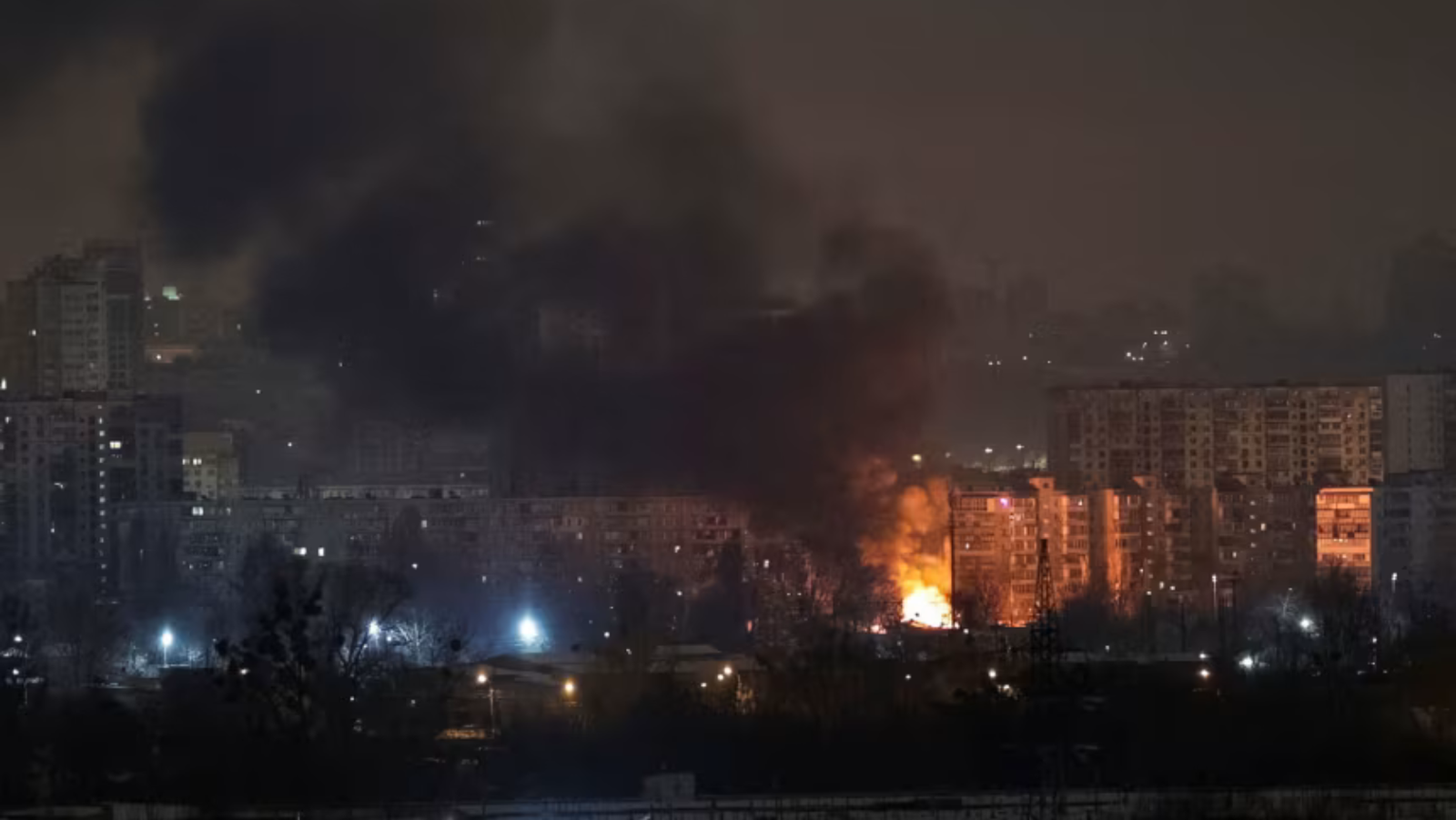
Russia Launches Missile and Drone Attacks on Key Ukrainian Cities Following Diplomatic Talks
Ukraine faced a devastating wave of Russian air strikes overnight, just hours after Kyiv, Moscow, and Washington held trilateral peace talks in Abu Dhabi. Missile and drone attacks targeted multiple cities, including the capital, Kyiv, causing widespread destruction, panic, and civilian injuries.
Authorities reported that air defense systems were activated as missiles approached the city. Kyiv Mayor Vitali Klitschko confirmed at least one civilian death and four injuries. Falling debris sparked fires and damaged residential and commercial buildings, leaving parts of the city without heating, electricity, and water services. Residents described the night as one of fear and uncertainty, as emergency sirens sounded repeatedly.
Impact on Kharkiv and Civilian Infrastructure
Ukraine’s second-largest city, Kharkiv, was also heavily targeted. Local officials reported that a maternity hospital and a dormitory housing displaced civilians were struck. Eleven people were injured, and emergency services worked through the night to provide medical care and evacuate residents. Local hospitals reported disruptions in electricity and water supply due to the explosions.
The strikes have heightened anxiety among citizens who had hoped diplomatic talks would reduce the risk of further attacks. Emergency responders urged residents to remain vigilant and follow safety instructions while authorities continued to assess the extent of the damage.
Diplomatic Talks Amid Rising Tensions
The strikes coincided with rare diplomatic engagement involving senior representatives from Russia, Ukraine, and the United States. Moscow was represented by military and intelligence officials, while Kyiv sent top diplomats and security advisors. The US delegation included senior envoys closely linked to the current administration.
Discussions primarily focused on territorial issues, especially the eastern Donbas region, rich in minerals, agriculture, and strategic waterways. Russia has demanded control over areas still held by Ukraine, while Kyiv has firmly rejected any compromise that undermines its sovereignty. Analysts suggest the timing of the attacks was intended to influence the negotiations and pressure Ukrainian officials into concessions.
Military Context and Current Occupation
Nearly four years after launching its full-scale invasion, Russia currently occupies roughly 20% of Ukraine’s internationally recognized territory, including most of Luhansk and portions of Donetsk, Kherson, and Zaporizhzhia. The ongoing strikes demonstrate the persistent threat to civilians and essential infrastructure, even during active diplomatic talks.
Ukraine’s chief negotiator, Rustem Umerov, said the Abu Dhabi discussions focused on achieving a “dignified and lasting peace,” and confirmed that additional talks were scheduled. President Volodymyr Zelensky stressed caution, noting that it was too early to draw conclusions and reaffirming Ukraine’s firm stance in negotiations.
Dual Strategy: Diplomacy and Military Pressure
Experts say the strikes reveal a dual strategy by Russia: participating in diplomatic discussions while simultaneously maintaining military pressure. “The overnight attacks signal that diplomacy alone does not remove the threat of violence,” said Andriy Melnyk, a regional analyst. “It is meant to intimidate civilians and influence negotiation outcomes.”
Ukrainian forces have strengthened air defense systems and deployed additional troops to vulnerable areas. Authorities have urged citizens to remain alert, maintain communication lines, and follow emergency procedures to avoid further casualties.
Humanitarian Consequences of Air Strikes
The overnight missile and drone attacks have caused significant humanitarian challenges. Families were displaced, schools and hospitals suffered damage, and essential services like electricity, water, and heating were disrupted. Aid organizations and local authorities are working to provide temporary shelter, food, and psychological support to those affected.
Civilians have reported difficulty accessing hospitals due to blocked roads and debris. Many have fled to safer areas, further straining already limited resources. The attacks highlight the vulnerability of non-combatants during ongoing conflicts and the need for continued international support for humanitarian aid.
International Reactions and Strategic Implications
The air strikes have drawn global concern, with several countries expressing alarm over the timing of the attacks during diplomatic efforts. Analysts warn that these strikes could escalate tensions further, complicating future negotiations and increasing the risk of civilian casualties.
The wave of attacks underscores the fragile balance between diplomacy and military aggression in the region. While trilateral talks offer hope for dialogue, the continued missile strikes serve as a stark reminder of the ongoing dangers faced by Ukrainian civilians and infrastructure.
Preparing for Future Escalation and Defense Measures
Ukraine Hit by Deadly Russian Air Strikes highlights the need for continued vigilance and preparedness. Authorities are reinforcing air defense systems, strengthening intelligence networks, and coordinating with local governments to enhance civilian protection. International partners have pledged support in terms of humanitarian aid, technical assistance, and security guidance to mitigate the impact of future attacks.
Experts emphasize the importance of maintaining civilian safety while pursuing diplomatic solutions. The attacks illustrate how military actions can undermine peace efforts and complicate negotiations, even when both sides engage in discussions with international mediators present.
Looking Ahead: Diplomatic and Military Balance
The ongoing conflict in Ukraine remains a complex mixture of diplomacy, military operations, and humanitarian crises. The recent strikes highlight the persistent threat Russia poses to civilian populations and essential infrastructure, emphasizing the urgent need for international cooperation and continued monitoring.
For continued updates on Ukraine Hit by Deadly Russian Air Strikes, military developments, and diplomatic negotiations, follow coverage on Time of Gulf.

I was very pleased to find this web-site.I wanted to thanks for your time for this wonderful read!! I definitely enjoying every little bit of it and I have you bookmarked to check out new stuff you blog post.