Iran Supreme Leader Faces Rising Pressure Amid Economic and Social Crises 2026
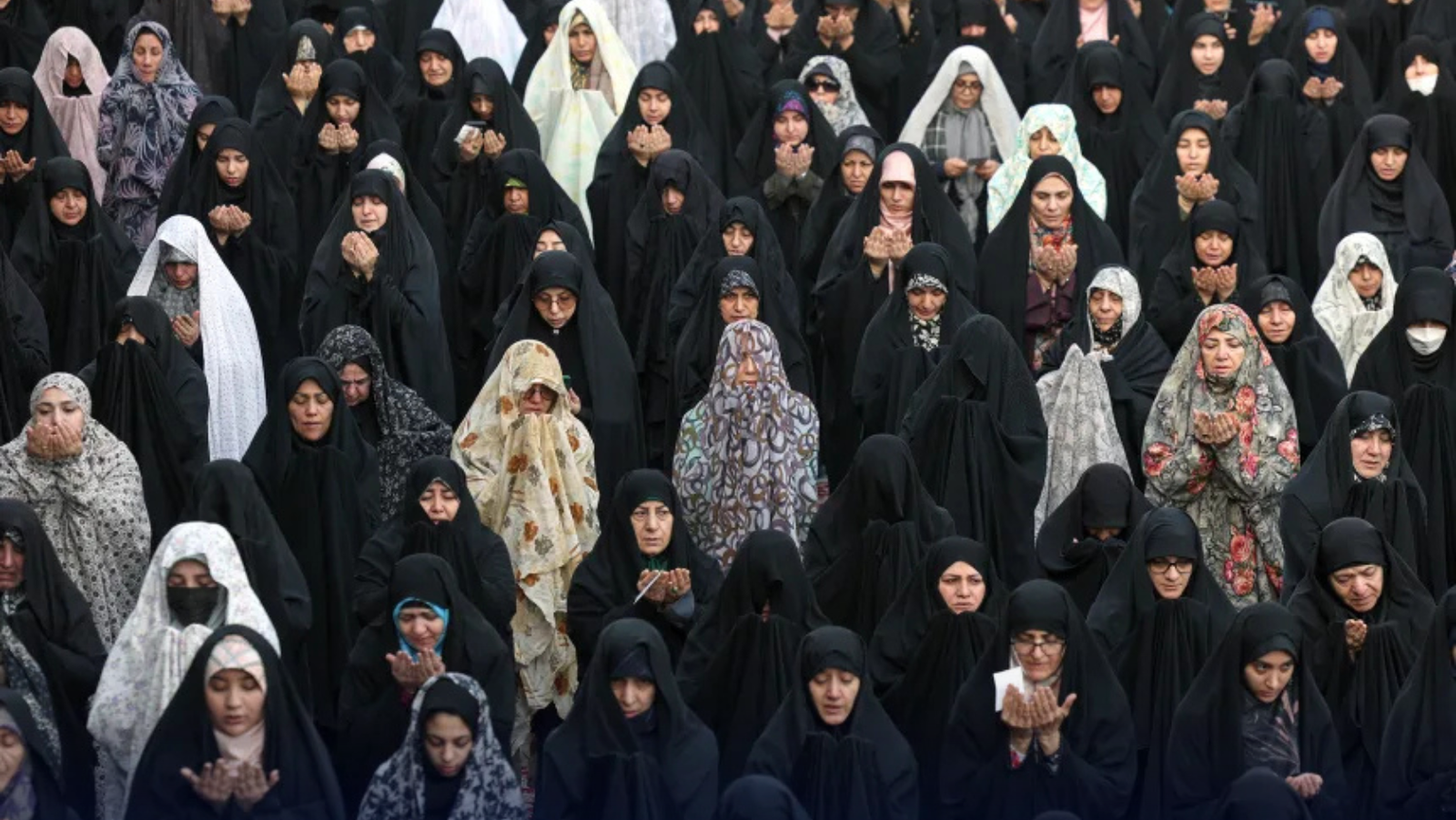
Iran is navigating one of its most challenging periods in decades as economic instability, public defiance, and social unrest place unprecedented pressure on the Supreme Leader and the nation’s leadership. Signs of mounting frustration are visible across Tehran and major cities, reflecting deep dissatisfaction with governance, financial mismanagement, and the country’s handling of civil liberties.
Economic Hardship Sparks Public Unrest
The Iranian economy has experienced severe strains over the past year, with inflation skyrocketing and the national currency losing significant value. Citizens face rising costs of living, including soaring food prices and housing expenses, prompting market protests in cities such as Tehran, Isfahan, and Shiraz. Shopkeepers and market vendors have staged demonstrations, highlighting frustration over unstable economic policies and a lack of government accountability.
Unemployment, especially among the youth, has compounded public discontent. Analysts suggest that financial instability is fueling broader social unrest, with families struggling to secure basic necessities while long-term savings are eroded by currency devaluation. This economic pressure has intensified demands for political reform and transparency in state management.
Social Defiance Grows in Urban Centers
Beyond financial concerns, citizens are increasingly challenging strict social rules. In early December, a group of women participated in a marathon on Kish Island wearing outfits that ignored mandatory dress codes, signaling subtle but powerful resistance to government-imposed restrictions. Videos of the event circulated online, inspiring similar acts of public defiance across urban centers.
Additionally, spontaneous cultural gatherings, including street performances and music events in Tehran, have seen growing crowds celebrating artistic expression previously restricted under strict cultural norms. These public displays of independence highlight an emerging trend: younger generations are reclaiming urban spaces and personal freedoms, challenging long-standing societal restrictions.
Environmental Crises Worsen Public Frustration
Iran’s environmental challenges have intensified internal pressures. Severe droughts have affected water availability in several provinces, while power shortages and fuel rationing have led to worsening air pollution in cities. Residents in affected regions report difficulties accessing potable water and reliable electricity, further heightening frustrations with state management.
Authorities have acknowledged the gravity of these issues, introducing emergency measures aimed at rationing water and improving energy distribution. However, many experts argue that these solutions are temporary and fail to address structural environmental mismanagement.
Political Leadership Under Scrutiny
The Supreme Leader of Iran, now 86 years old, faces increasingly limited options as public dissatisfaction grows. Critics suggest that decision-making at the highest levels has slowed, with leadership prioritizing stability over bold reforms. Political observers note that the government is attempting to avoid major moves that could escalate unrest, instead focusing on measured responses to widespread criticism.
This cautious approach, however, risks alienating citizens further, particularly younger Iranians who demand accountability and meaningful change. Many argue that the leadership must respond to public grievances, both social and economic, to maintain legitimacy.
Youth Movements and Civic Engagement
Iranian youth have emerged as key agents of change amid growing dissatisfaction. From spontaneous demonstrations to symbolic public acts, younger generations are increasingly vocal about their desire for freedom and social reforms. Social media has amplified these voices, despite intermittent internet restrictions, allowing citizens to coordinate and share experiences.
Educators, students, and young professionals are particularly active in advocating for environmental protections, fair wages, and gender equality, creating a growing movement that challenges the status quo. Analysts believe that youth engagement will be a central factor in shaping Iran’s political trajectory over the next decade.
International Pressure and Regional Concerns
External pressures compound internal challenges. Iran faces ongoing sanctions, regional rivalries, and heightened scrutiny from international actors concerned about security and human rights. Conflicts earlier this year caused infrastructure damage, further eroding public confidence in the state’s ability to manage crises.
Diplomatic observers warn that without substantive reforms, these compounded pressures could destabilize Iran’s internal environment, potentially affecting regional security. International stakeholders are closely monitoring how the leadership addresses civil unrest, economic recovery, and environmental concerns.
Calls for Accountability and Reform
Civil society groups and independent analysts have called for greater transparency and accountability in governance. Proposals include reforming economic policies to stabilize inflation, increasing access to essential resources, and expanding freedoms in cultural and social spheres.
Experts note that addressing public grievances proactively is critical to avoiding escalation. Failure to implement structural changes could heighten discontent, particularly among urban populations who have been at the forefront of civic resistance.
Outlook for Iran’s Leadership
The Supreme Leader and political elites face a complex balancing act: managing civil unrest, stabilizing the economy, and mitigating environmental challenges, all while maintaining authority. How effectively the leadership navigates these overlapping crises will determine Iran’s trajectory in the coming years.
While protests remain limited in scale, analysts suggest that ongoing economic hardship, youth activism, and environmental stressors signal that public patience is thinning. The interplay between social defiance, financial instability, and leadership decisions will be crucial in shaping both domestic policy and Iran’s international relations.
For the latest news updates and breaking developments on Iran and global affairs, visit our website today.