

Bill and Hillary Clinton Agree to Testify in Epstein Probe
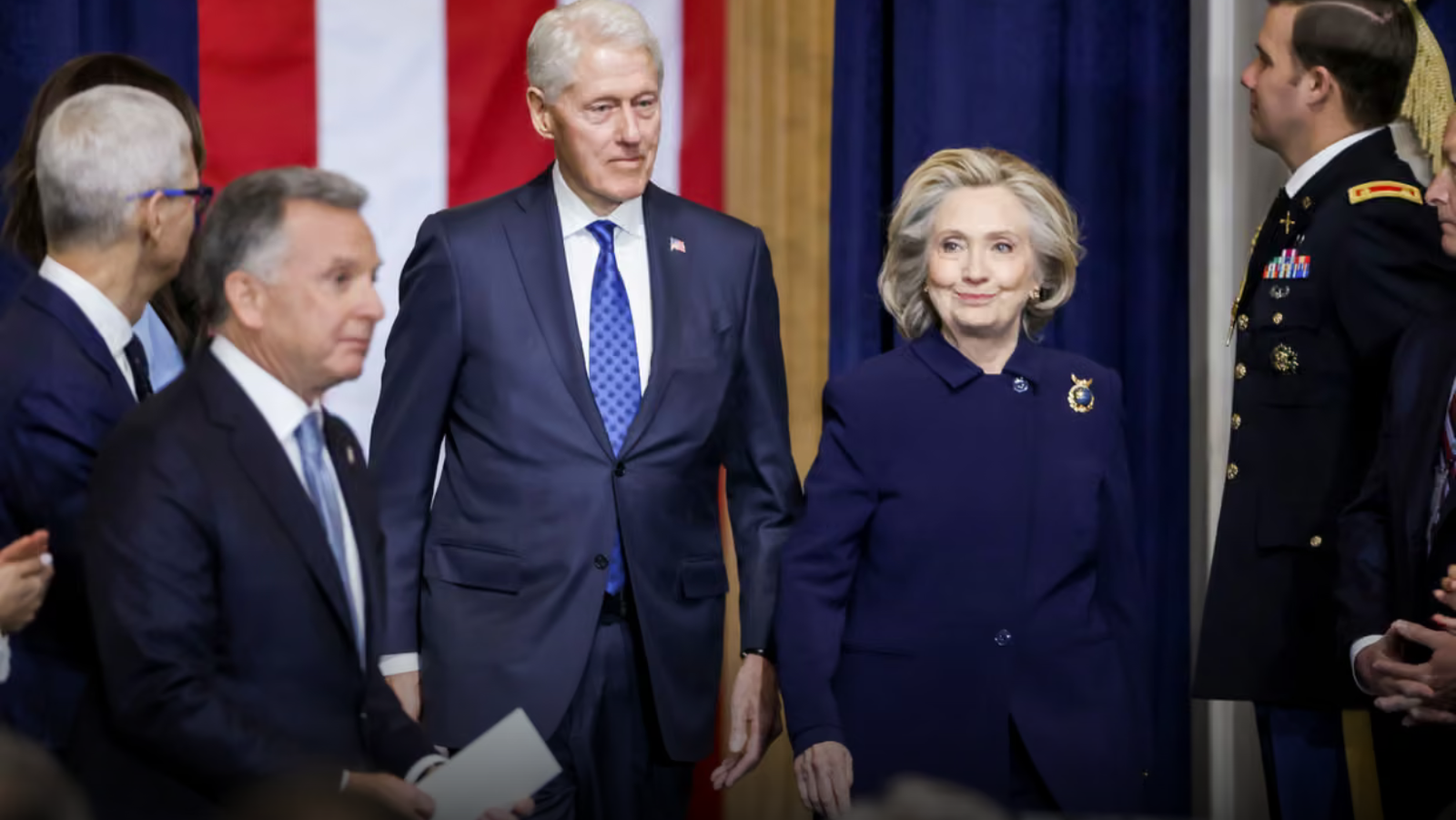
Clintons Commit to House Depositions as Investigation into Jeffrey Epstein’s Network Intensifies
Former President Bill Clinton and former Secretary of State Hillary Clinton have agreed to testify before a House committee investigating Jeffrey Epstein, ending weeks of political and legal uncertainty. This move ensures compliance with congressional subpoenas and averts potential contempt of Congress proceedings that had loomed over the couple.
The House Oversight Committee, chaired by James Comer, has led the inquiry into Epstein’s network and his connections with prominent figures. Committee officials emphasized that enforcement of lawful subpoenas is essential for transparency and the integrity of congressional oversight. After prolonged negotiations, the Clintons confirmed they would participate under oath, signaling cooperation with the investigative process.
Bill and Hillary Clinton Agree to Testify in Epstein Probe Amid Legal Dispute and Political Scrutiny
For weeks, the Clintons challenged the scope and validity of subpoenas, arguing that certain requests were politically motivated and lacked clear legislative purpose. Their legal representatives had proposed alternative arrangements, including a transcribed interview for Bill Clinton and a sworn written declaration for Hillary Clinton. However, the committee insisted that formal depositions were necessary to maintain consistency and credibility in the ongoing investigation.
Committee Chair Comer stated that individuals subject to congressional subpoenas cannot dictate the terms of compliance. The recent agreement by the Clintons to testify resolves a standoff that had heightened tensions between the executive’s former officeholders and legislative authorities.
Congressional Oversight and Legal Implications
The House Oversight Committee had begun preparing potential votes to hold the Clintons in criminal contempt for failing to appear. Such actions could have triggered judicial proceedings and legal penalties, creating a rare confrontation between former U.S. officials and Congress. By agreeing to appear, the Clintons avoid escalating the matter to a courtroom showdown and demonstrate a willingness to adhere to institutional procedures.
Lawmakers have noted that transparency is a core principle in the Epstein investigation. Republican members have stressed the importance of obtaining firsthand testimony from high-profile figures to clarify connections and interactions with Epstein, while some Democrats have joined calls for equal scrutiny of all individuals associated with the case.
Focus on Jeffrey Epstein’s Past Associations
Jeffrey Epstein, who died in 2019 while awaiting trial on federal sex-trafficking charges, maintained social ties with numerous influential personalities. Public attention on these connections persists, as congressional inquiries seek to determine the full scope of his network. While association alone does not imply criminal wrongdoing, lawmakers argue that testimonies from figures like the Clintons are critical to understanding Epstein’s reach and activities.
Bill Clinton has publicly acknowledged prior interactions with Epstein, expressing regret over the contact but asserting ignorance of any criminal conduct. Hillary Clinton, meanwhile, has maintained that her engagement with Epstein-related events was limited. Their forthcoming depositions will provide an opportunity to clarify these historical interactions under oath.
Justice Department Documents and Transparency Challenges
The U.S. Department of Justice has released extensive files related to Epstein’s cases, yet disagreements persist over what material remains undisclosed. Lawmakers have debated whether sufficient documentation has been made available to the public, with some advocating for full transparency to ensure accountability. Both Democrats and Republicans have expressed concern about gaps in disclosure, highlighting the importance of direct testimony from key figures connected to Epstein.
The Clintons’ agreement to testify will allow the House Oversight Committee to address these gaps and assess the accuracy of prior submissions. Investigators aim to verify timelines, evaluate claims, and reconcile records with firsthand accounts.
Political Dimensions of the Clinton Testimony
While agreeing to testify, the Clintons continue to frame the investigation in political terms, emphasizing concerns about selective scrutiny and partisan motivations. Their legal team has underscored that the broader Epstein network warrants equal examination, urging Congress to maintain impartiality. Analysts suggest that the public visibility of this testimony could influence perceptions of fairness in the inquiry and impact political narratives surrounding the case.
The House Oversight Committee has reinforced that compliance with subpoenas transcends political affiliation. Lawmakers argue that securing testimony from high-profile individuals is a procedural necessity to ensure the investigation’s integrity.
Preparing for Depositions and Public Expectations
The Clintons’ testimony will likely cover interactions with Epstein, their knowledge of associated individuals, and any relevant context regarding events and meetings in which they were involved. Both the committee and the Clintons have expressed intent to adhere strictly to legal protocols, ensuring sworn statements provide accurate and verifiable information.
Observers note that these depositions could have broader implications beyond the Clinton-Epstein connection, setting standards for how high-ranking officials engage with congressional investigations. Ensuring timely and comprehensive testimony is crucial for maintaining public confidence in oversight mechanisms.
Bill and Hillary Clinton Agree to Testify in Epstein Probe Reinforces Congressional Oversight
The House Oversight Committee’s role in investigating Epstein’s activities underscores the importance of institutional accountability. By agreeing to testify, the Clintons demonstrate a commitment to legal compliance and provide lawmakers with necessary information to evaluate Epstein’s associations. Transparency in this process will be essential to ensuring justice and public trust.
The depositions are expected to occur under controlled conditions, with legal counsel present to advise both parties. Lawmakers emphasize that sworn testimony offers the most reliable means to confirm facts and corroborate documentary evidence.
Conclusion
Bill and Hillary Clinton Agree to Testify in Epstein Probe resolves weeks of uncertainty and legal tension. Their participation ensures compliance with congressional subpoenas, reinforces the importance of oversight, and allows the House committee to advance its investigation into Jeffrey Epstein’s network. The move is a significant step in addressing public and legislative concerns regarding accountability, transparency, and the reach of high-profile criminal networks.
For the latest updates on congressional investigations, legal proceedings, and political accountability, visit Time of Gulf.