U.S. Capture of Nicolás Maduro Marks a Historic Operation
Operation Absolute Resolve Executes Precision Raid
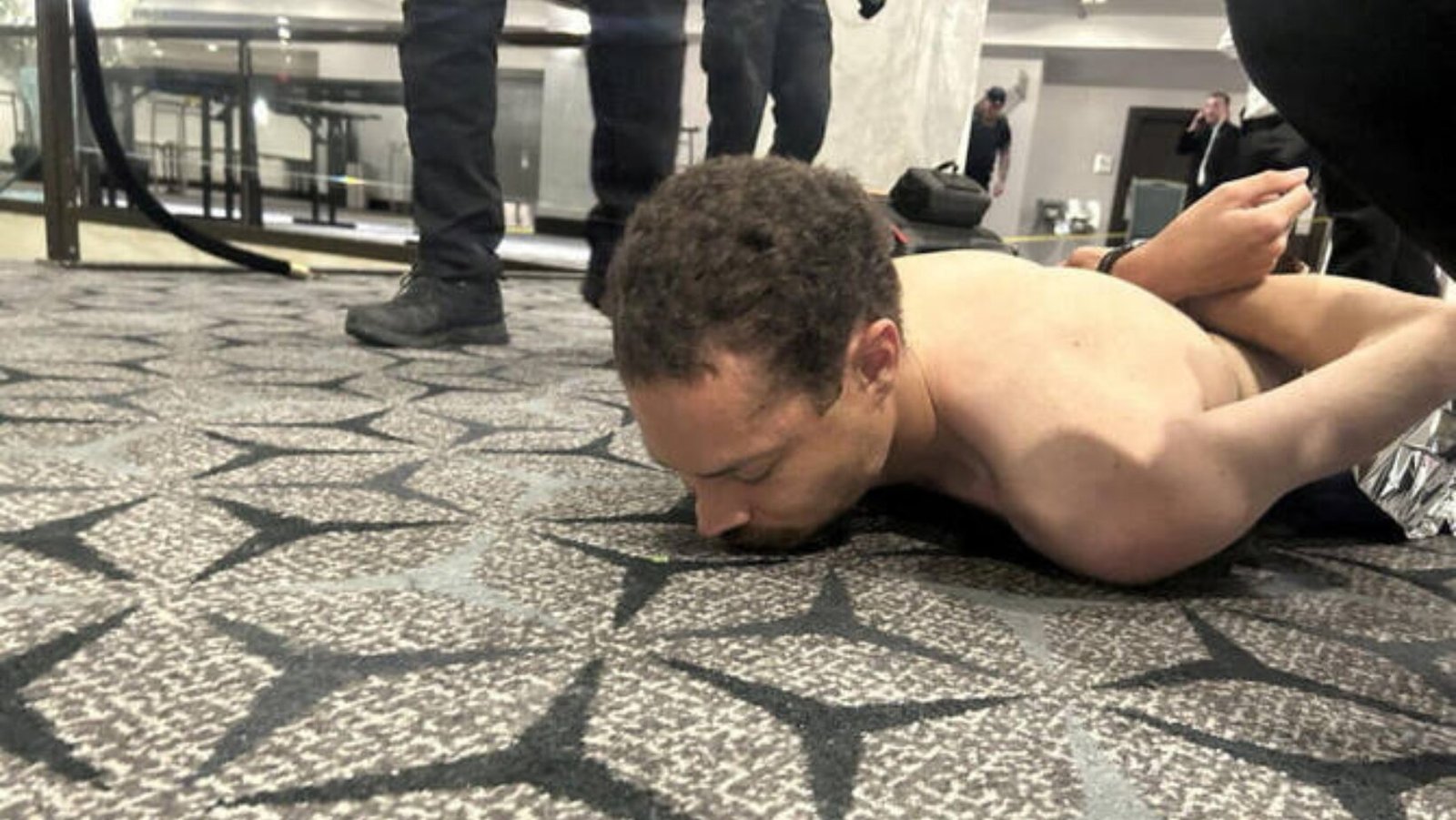
At first light on January 3, 2026, U.S. Delta Force units successfully detained Venezuelan President Nicolás Maduro at his Caracas residence, concluding months of careful planning by American military and intelligence agencies. The operation, named Operation Absolute Resolve, involved close coordination between U.S. special operations forces, CIA operatives, and other intelligence assets to ensure the mission was conducted efficiently and safely.
Helicopters and targeted strikes were used to neutralize security defenses before Maduro and his wife were taken into custody. Analysts have described the operation as a highly calculated mission demonstrating advanced capabilities in handling complex, high-risk situations.
Maduro Captured Without Civilian Casualties
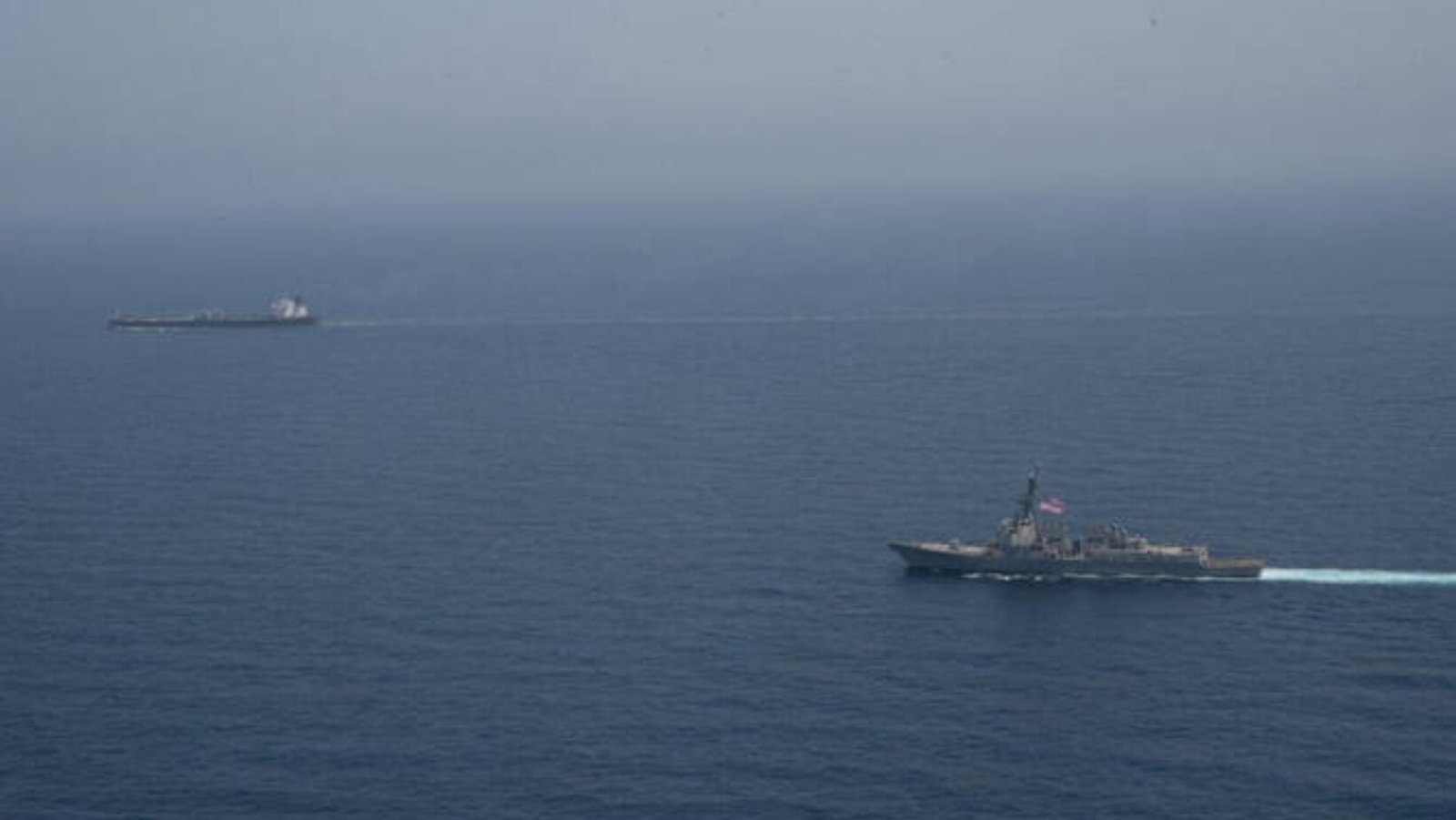
Officials confirmed that the U.S. capture of Nicolás Maduro was completed without any civilian casualties. Following the operation, Maduro and his wife were transported to the USS Iwo Jima and later moved to Stewart Air National Guard Base in New York for secure processing.
Months of surveillance and intelligence gathering preceded the raid. Covert monitoring of Maduro’s routines, movements, and security arrangements allowed U.S. forces to execute the operation precisely. Authorities emphasized that Maduro had multiple opportunities to resign voluntarily, highlighting the effort to minimize confrontation.
Political Implications for Venezuela
The operation has left Venezuelans facing an uncertain future. Streets in Caracas were largely deserted immediately after the capture, and many businesses temporarily closed. Reactions from citizens ranged from cautious relief to concerns about the presence of foreign military forces in the country.
Venezuelan Vice President Delcy Rodríguez condemned the operation as a “savage attack,” while political analysts stress the unpredictable social, economic, and political outcomes stemming from Maduro’s removal.
U.S. Military Strategy and Oversight
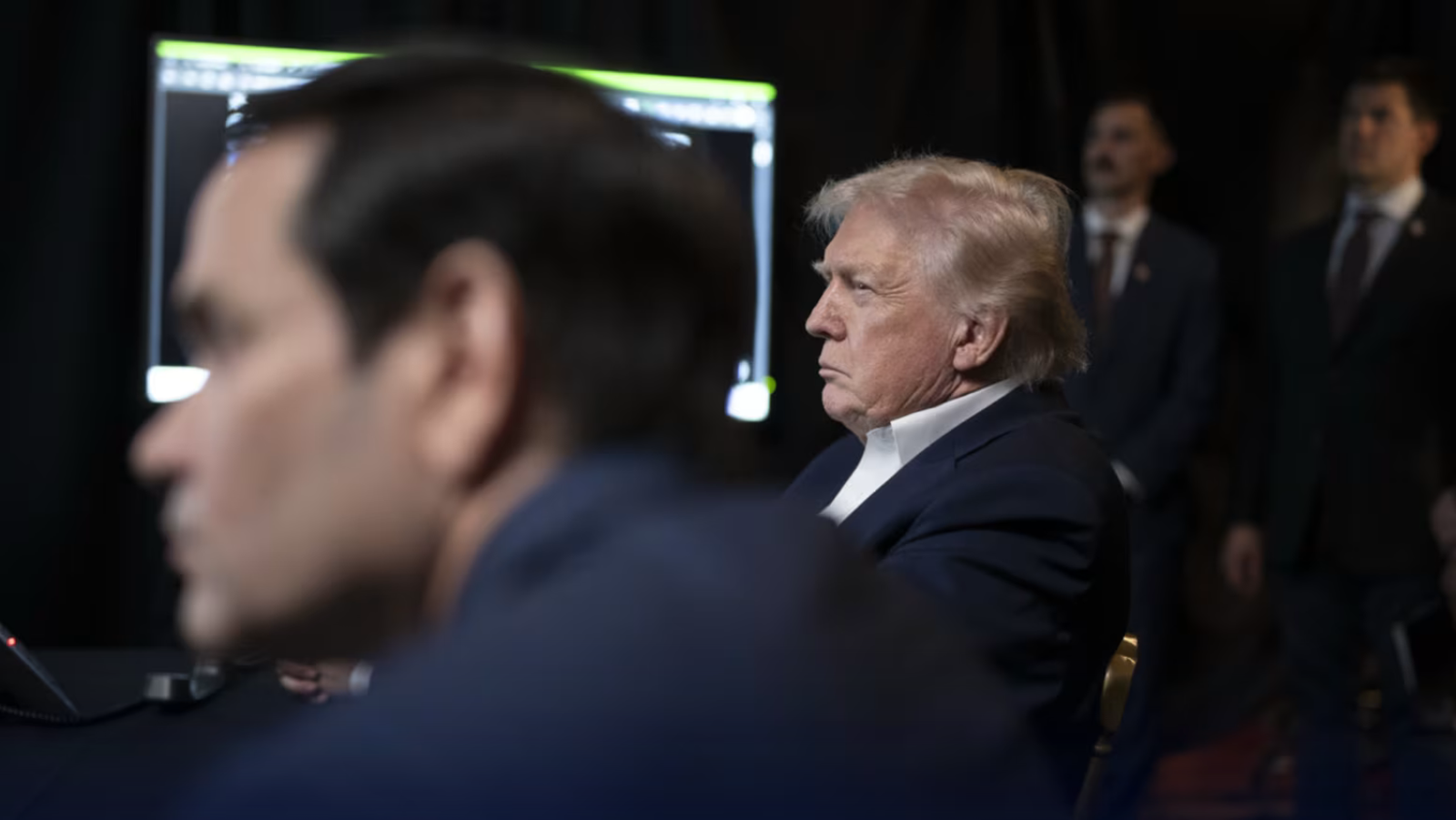
President Donald Trump oversaw the mission from his Mar-a-Lago estate in Florida and gave final approval shortly before 11 p.m. ET. He monitored live feeds alongside senior national security officials, demonstrating the strategic significance of the operation.
The U.S. government has indicated it will temporarily oversee critical governance measures in Venezuela while leaving long-term political structures undefined. Analysts note that access to Venezuela’s oil resources and infrastructure will be a major consideration in managing the transition.
International Reactions and Geopolitical Concerns
The U.S. capture of Nicolás Maduro drew immediate attention from the international community. Experts and regional leaders raised questions regarding sovereignty, international law, and the precedent set by such an operation. Some warn the action could destabilize South America further, while others highlight the potential for reshaping regional geopolitics.
Analysts emphasize the need for careful diplomatic engagement to prevent additional tensions between the U.S. and its allies.
Intelligence Coordination and Planning
The operation’s success hinged on meticulous intelligence coordination. CIA operatives inside Venezuela collected critical data for months, tracking Maduro’s movements, personal schedule, and security protocols.
By combining human intelligence with advanced technological surveillance, U.S. forces were able to plan and execute the mission effectively. Analysts note that the operation highlights the capabilities of modern intelligence-driven military actions in high-stakes environments.
Domestic Response in Venezuela
In Caracas, the immediate aftermath triggered a mix of fear and cautious optimism. Some citizens welcomed the removal of Maduro, citing economic hardship and political oppression, while others feared potential retaliation from loyalist factions.
Authorities urged residents to remain indoors and maintain essential services. Hospitals, emergency personnel, and security forces were mobilized to handle any potential disruptions during the transition period.
Implications for U.S. Foreign Policy
The U.S. capture of Nicolás Maduro is expected to have lasting implications for American foreign policy. Analysts predict heightened scrutiny from Congress, international organizations, and the global media concerning the legality and consequences of the operation.
Although the mission achieved its immediate tactical objectives, experts emphasize that long-term stabilization in Venezuela will require sustained diplomatic engagement, humanitarian assistance, and strategic collaboration with regional partners.
Preparing for Post-Capture Governance
U.S. officials outlined temporary measures to maintain order in Venezuela. Forces are tasked with monitoring essential infrastructure, overseeing economic assets, and coordinating with local authorities to prevent civil unrest.
Observers stress that Maduro’s removal represents only the first stage of a complex political process. Long-term stability will require collaboration between U.S. authorities, regional allies, and Venezuelan institutions to ensure an orderly transition.
Conclusion: A Historic Moment With Uncertain Outcomes
The U.S. capture of Nicolás Maduro represents a landmark moment in modern U.S. military and intelligence operations. While the mission was carried out successfully, the broader consequences for Venezuela’s political, social, and economic stability remain uncertain.
Venezuelans now face a transitional period, with the world closely monitoring developments. Analysts continue to evaluate the potential for reshaping U.S. intervention strategies and regional geopolitics in Latin America.
Citizens across Venezuela are advised to stay informed, follow official guidance, and prepare for ongoing changes in the political environment. The operation demonstrates the importance of thorough planning, precise execution, and coordinated intelligence in complex military missions.
Get the latest breaking news, updates, and top stories from around the world — stay informed on our website.
Do you have a spam problem on this website; I also am a blogger, and I was wondering your situation; we have created some nice practices and we are looking to trade techniques with others, please shoot me an e-mail if interested.