ROTOR Aviation Safety Bill Fails in US House After Pentagon Withdrawal Following 2025 Crash
House Vote Falls Short Despite Senate Approval
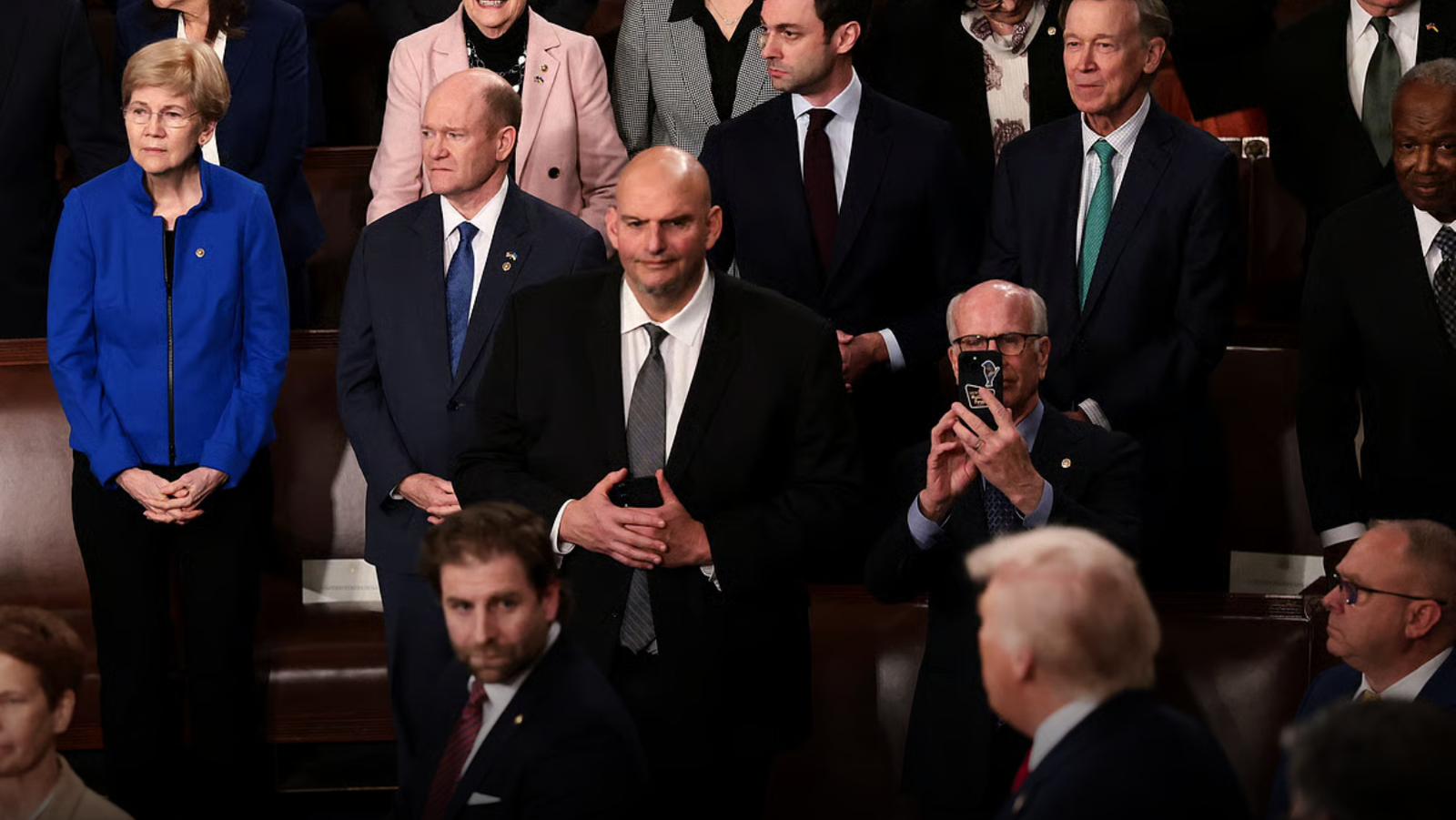
The ROTOR Aviation Safety Bill, designed to enhance air travel safety and prevent tragedies like the January 2025 collision between an American Airlines regional jet and a military Black Hawk helicopter, narrowly failed to pass in the U.S. House of Representatives. The bill had passed the Senate unanimously in December but fell one vote short in the House, with 264 members in favor and 133 opposed.
The legislation aimed to mandate Automatic Dependent Surveillance-Broadcast (ADS-B) systems on both commercial and routine military flights by 2031. These systems provide pilots with real-time positional awareness of nearby aircraft, which experts argue could have prevented the 2025 disaster that claimed 67 lives.
Pentagon Withdraws Support Over Budget and Security Concerns
A last-minute withdrawal of Pentagon support played a pivotal role in the bill’s failure. Officials cited unresolved budgetary pressures and operational security risks associated with installing ADS-B on certain military missions. The decision highlighted the ongoing tension between national defense priorities and broader public safety measures.
Despite the setback, lawmakers like Senate Commerce Committee Chair Ted Cruz and Ranking Democrat Maria Cantwell expressed continued commitment to ensuring the safety legislation eventually becomes law. They emphasized that while ROTOR did not pass, the urgent need to address systemic aviation risks remains critical.
National Transportation Safety Board’s Warning
The National Transportation Safety Board (NTSB) underscored that ADS-B technology could have prevented the 2025 collision. According to their analysis, the passenger plane would have been alerted 59 seconds before impact, while the helicopter would have received a warning 48 seconds prior. NTSB Chair Jennifer Homendy called the House vote “disappointing” and questioned how many more lives would be lost before decisive action is taken.
Families of victims echoed these concerns. Audrey Patel, who lost her husband in the crash while pregnant, described the vote as “tragically avoidable,” emphasizing that technology could have saved lives if properly mandated.
Legislative Alternatives: ALERT Act
With ROTOR’s failure, attention has shifted to a rival bipartisan measure, the ALERT Act. Cosponsored by Democratic Representative Rick Larsen, the bill seeks to address NTSB safety recommendations without mandating ADS-B on all military flights, particularly sensitive operations. Critics argue that the ALERT Act may not guarantee the same level of preventative safety as ROTOR, potentially leaving critical gaps in airspace oversight.
House Transportation Committee Chair Sam Graves indicated that the committee would review ALERT in the coming weeks, signaling ongoing efforts to pass meaningful aviation safety reforms.
Impact on Military Flight Safety Regulations
The ROTOR bill included provisions for routine military training flights, though sensitive missions were exempted. House Armed Services Committee Chair Mike Rogers supported ADS-B for flights in congested civilian airspace but expressed concern that broader mandates could compromise national security. This debate highlights the delicate balance between ensuring public safety and maintaining operational secrecy for military activities.
Role of ADS-B in Preventing Future Crashes
Automatic Dependent Surveillance-Broadcast (ADS-B) is widely recognized as a crucial technology for reducing mid-air collisions. By transmitting aircraft positions, speeds, and altitudes in real-time, pilots can make rapid adjustments to avoid conflicts. NTSB experts note that full adoption of ADS-B across commercial and military fleets could dramatically reduce the risk of repeat incidents similar to the 2025 collision.
Political and Public Reactions
The failed vote has generated strong reactions from both lawmakers and the public. Advocates for aviation safety criticized technical objections cited by opponents, arguing that cost and security concerns should not overshadow the prevention of fatal accidents.
Meanwhile, the Pentagon emphasized that its concerns were limited to budget allocation and safeguarding sensitive military operations. This nuanced position has left the public seeking clarity on how defense priorities can coexist with broader flight safety initiatives.
Broader Implications for U.S. Aviation Policy
The ROTOR Aviation Safety Bill has ignited a national conversation about how aviation safety is regulated in the United States. Analysts note that recurring obstacles in Congress reveal the challenges of balancing technological mandates, military considerations, and public safety priorities.
A successful ROTOR passage would have expanded oversight of commercial jets and helicopters operating near airports, ensuring better situational awareness and reducing human error as a factor in aviation disasters. Although ROTOR did not pass, experts argue that the conversation around airspace safety continues to influence legislation and public awareness.
Next Steps and Future Prospects
Lawmakers are likely to revisit aviation safety legislation in the near term. The ALERT Act presents an alternative pathway, though its effectiveness depends on widespread adoption and technological compliance. Congressional leaders and advocacy groups continue to lobby for mandatory ADS-B systems, emphasizing that delays in implementing these measures could result in preventable tragedies.
The ROTOR debate also underscores the critical role of coordination between civilian aviation authorities, military operations, and Congress. Ensuring that safety improvements do not compromise national security remains a priority, even as families of crash victims demand urgent action.
Conclusion: Aviation Safety Remains a National Priority
The House’s failure to pass the ROTOR Aviation Safety Bill demonstrates the complexity of implementing comprehensive flight safety measures in the U.S. While technology exists to prevent incidents like the 2025 crash, political, budgetary, and operational considerations continue to shape policy outcomes.
As lawmakers prepare to consider alternatives such as the ALERT Act, public attention remains focused on the urgent need to safeguard both commercial and military air traffic. Stakeholders agree that proactive steps, including mandatory ADS-B adoption, are essential to prevent future aviation disasters and protect lives.
For more updates on aviation safety, national policy, and breaking news, stay informed by visiting our website.