5 killed as US Israeli strikes hit Iran port city near Strait of Hormuz

The port city attack that left 5 killed as US Israeli strikes hit Iran
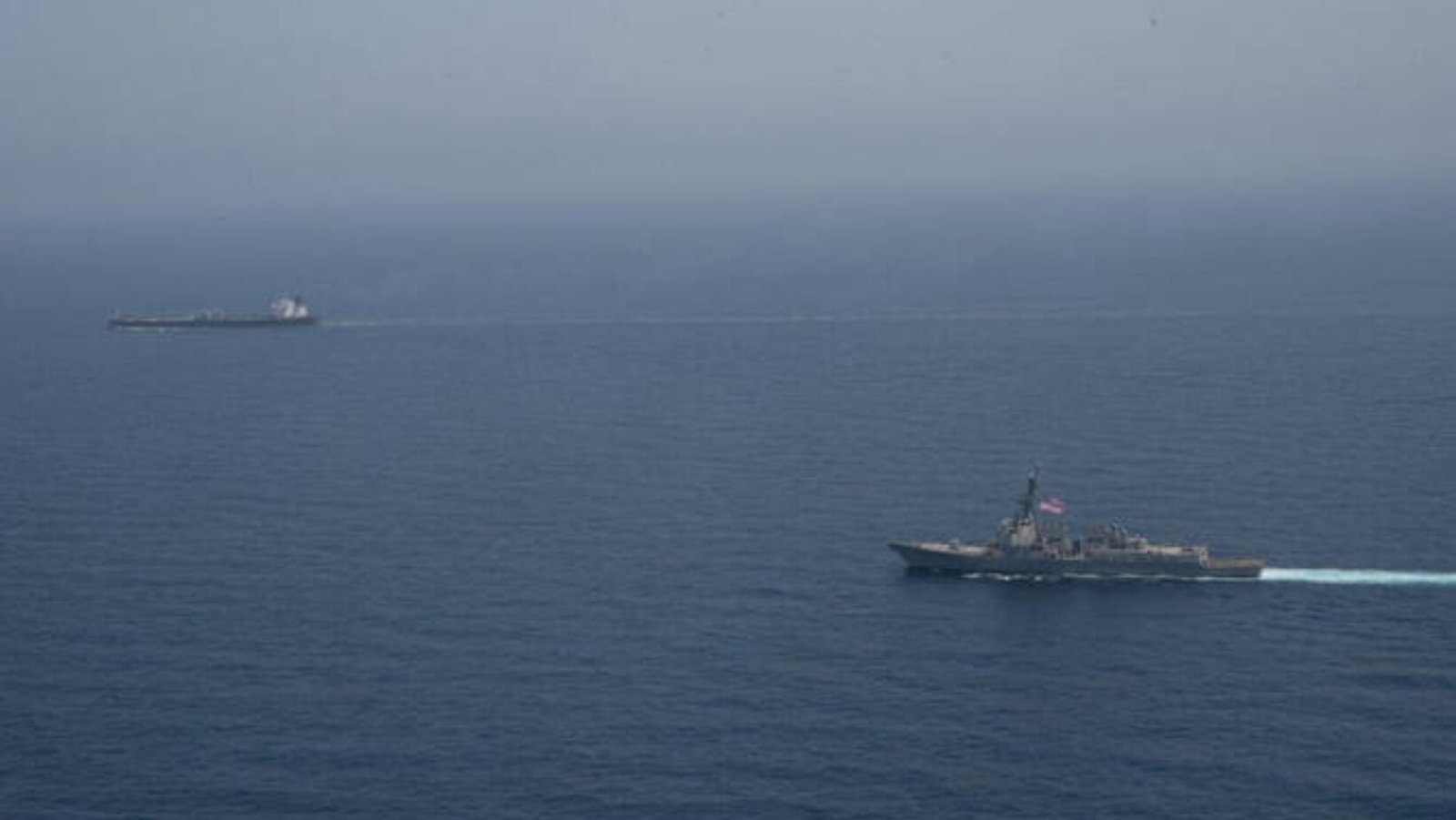
Five people were killed after US and Israeli forces carried out coordinated strikes on an Iranian port city near the Strait of Hormuz early Sunday. The strikes targeted critical port infrastructure, including warehouses, docks, and logistics centers. Residents reported loud explosions and smoke rising from the port, prompting mass evacuations. Emergency services rushed to the scene to treat the wounded, contain fires, and secure damaged areas. Several others suffered injuries ranging from minor burns to severe trauma.
Eyewitnesses described chaos as workers and local residents fled the port, with many trying to move essential goods to safety. Local authorities condemned the strikes as aggressive actions that threaten both the safety of civilians and the city’s economic stability.
How the strikes affected regional trade and why 5 were killed as US Israeli strikes hit Iran
The port city plays a key role in regional commerce due to its location near the Strait of Hormuz, a vital maritime corridor linking the Persian Gulf with the Gulf of Oman. This strait handles a significant portion of global oil and gas shipments, making the port a strategic hub for international trade.
Analysts say even temporary disruption in port operations can have ripple effects on global shipping and energy markets. The human toll highlights the vulnerability of civilian workers in critical infrastructure areas, where commercial and humanitarian stakes are both high. Delays in shipments may affect energy prices, import-export schedules, and local economic activity, potentially creating wider regional consequences.
Security risks highlighted after 5 killed as US Israeli strikes hit Iran
The attack has increased security concerns across the Gulf region. Military experts warn that further operations or retaliatory actions could escalate into broader confrontations. Local authorities have heightened security at ports, docks, and nearby strategic installations. Civilian advisories have been issued, urging residents to avoid high-risk areas.
Ports are considered sensitive targets, and attacks on such infrastructure can affect civilian life, economic activity, and national security simultaneously. Experts also note that these strikes could be aimed at pressuring regional powers economically and politically, raising concerns over potential escalation.
Humanitarian consequences of the port strike that left 5 killed as US Israeli strikes hit Iran
Beyond fatalities and injuries, the strikes disrupted daily life in surrounding areas. Evacuations were carried out due to explosions and fire hazards. Relief teams provided emergency shelter, medical care, and essential supplies to affected families.
Port operations have temporarily halted, affecting local employment and the flow of goods. Businesses relying on port services may face financial losses, while shipments of essential goods could be delayed. Prolonged disruption could strain both local and regional economies, emphasizing the humanitarian and economic consequences of strategic strikes.
Eyewitness accounts and local response
Residents described scenes of chaos as fires engulfed warehouses and smoke covered nearby streets. Many tried to evacuate quickly, while emergency personnel worked to rescue those trapped or injured. Local hospitals were reportedly overwhelmed with casualties, and first responders coordinated closely with municipal authorities to restore order and safety.
Authorities warned residents to remain calm, follow official instructions, and avoid returning to damaged areas until safety inspections were complete. Emergency response teams are also assessing structural damage to ensure that any secondary hazards, such as collapsed buildings or leaking fuel, are addressed promptly.
Global energy and trade concerns following 5 killed as US Israeli strikes hit Iran
Given the port’s proximity to the Strait of Hormuz, the strikes have implications beyond Iran. Analysts warn that even short-term disruption in this corridor could cause fluctuations in oil and gas prices worldwide. Shipping schedules for both energy and non-energy goods could be delayed, impacting industries dependent on timely deliveries.
Maritime experts highlight that ports in strategic regions like this one are critical not only for local economies but for international trade networks. Any attack or disruption can affect supply chains, increase insurance costs for shipping companies, and create uncertainty in global markets.
Broader geopolitical tensions after 5 killed as US Israeli strikes hit Iran
The strikes come amid heightened geopolitical tensions in the Middle East. Analysts caution that military actions like this could escalate into wider conflicts. Neighboring countries may respond diplomatically or militarily, raising the risk of regional instability.
Authorities have increased security measures around ports and other strategic locations. Maritime patrols and military units have been deployed to safeguard shipping lanes and prevent further escalation. Experts stress that international diplomacy and conflict resolution mechanisms are essential to avoid a broader crisis.
Steps ahead after 5 killed as US Israeli strikes hit Iran port city
This attack underscores the vulnerabilities of critical maritime infrastructure. Local authorities and emergency teams continue rescue operations and assess damage to restore port functionality. Engineers are inspecting docks, warehouses, and other key facilities to resume operations safely.
Security experts highlight that effective diplomatic measures are key to preventing additional conflict. Monitoring developments closely is essential to ensure that trade, security, and humanitarian needs are managed effectively. Local officials continue to coordinate with regional and international agencies to stabilize the situation.
Conclusion on the port strike where 5 were killed as US Israeli strikes hit Iran
The attack on the Iranian port city near the Strait of Hormuz, resulting in five confirmed deaths, represents a significant escalation in regional tensions. Its strategic importance for maritime trade, energy security, and economic stability, combined with the humanitarian impact, underscores the need for immediate attention to safety, emergency response, and diplomatic solutions.
Authorities continue to manage emergency responses, while analysts monitor broader implications for regional security, international trade, and energy markets. The incident highlights both the human cost and the economic risks associated with conflicts near strategically sensitive areas.
Read more updates and breaking news on Time of Gulf.
Official maritime safety and strategic updates are available from the International Maritime Organization.