
Two Chinese Container Ships Successfully Transit Strait of Hormuz Amid Regional Tensions
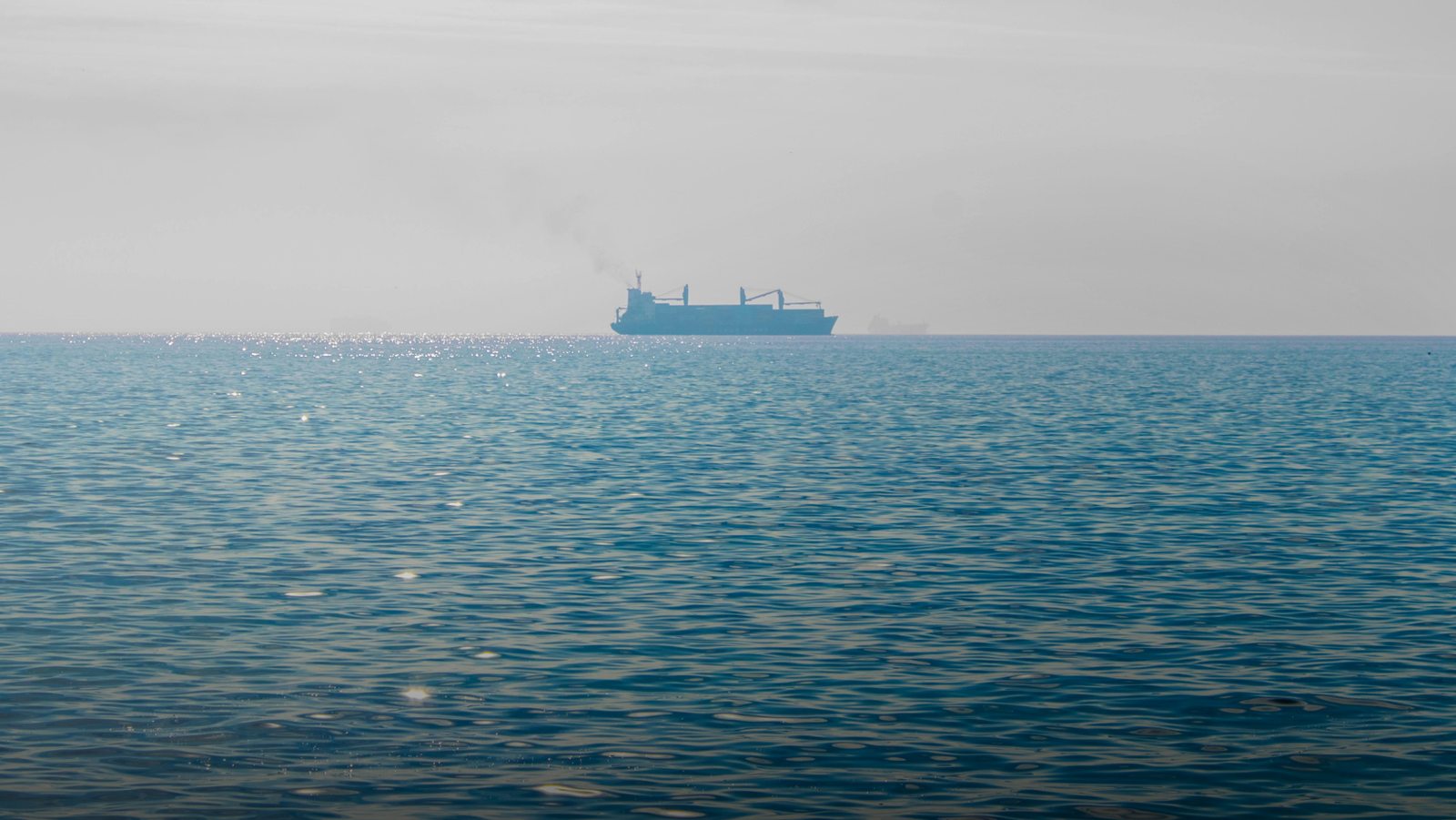
Two Chinese container ships safely pass through the Strait of Hormuz as shipping resumes cautiously after US-Israeli strikes in Iran
BEIJING: Two container vessels operated by Chinese shipping giant Cosco successfully navigated the Strait of Hormuz on Tuesday, marking a rare passage through the strategically vital waterway amid heightened regional tensions. Ship tracking data confirmed the transit, highlighting the significance of the move for global trade and China’s maritime logistics.
The ships, CSCL Indian Ocean and CSCL Arctic Ocean, crossed the strait less than half an hour apart, moving past the Iranian-controlled island of Larak. Both vessels are bound for Port Klang in Malaysia, signaling China’s continued reliance on Gulf shipping lanes despite recent disruptions caused by US-Israeli military actions in Iran.
Strait of Hormuz reopens to select vessels as Iran maintains controlled access
The Strait of Hormuz, a critical chokepoint for global oil and shipping traffic, had seen a sharp decline in vessel movements in recent weeks. Iran had effectively restricted passage following US-Israeli strikes, limiting navigation to ships from nations deemed “friendly,” including China. Tehran’s announcement underscored its intent to balance regional security concerns while maintaining diplomatic and trade ties with key partners.
Iranian authorities have reiterated that vessels from “friendly countries” could transit safely, reflecting a selective but cautious reopening. Analysts note that these measures demonstrate Tehran’s effort to assert control over the strait while avoiding a full blockade that could escalate tensions further in the Gulf.
Chinese shipping giant Cosco resumes transit after temporary suspension
The two container ships had previously attempted a passage on Friday but aborted the transit, according to Marine Traffic. Cosco, headquartered in Shanghai, suspended bookings for Gulf routes earlier in March due to the escalating conflict, affecting trade and logistics operations. On Wednesday, the company resumed bookings for shipments from Asia to several Gulf destinations, though it initially avoided routes passing through the Strait of Hormuz.
Cosco declined to comment on the Tuesday transit when approached by AFP. Shipping experts emphasize that the company’s decision to navigate the strait reflects calculated risk management amid regional instability, prioritizing continuity of trade while monitoring geopolitical developments closely.
Economic implications for Asia-Gulf trade routes
The Strait of Hormuz is one of the world’s most strategic maritime passages, accounting for a significant portion of global oil exports and container shipping. Any disruption in traffic has immediate consequences for international trade, especially for energy imports and exports to Asia and Europe. The safe transit of the two Cosco vessels signals a cautious but positive step toward restoring some shipping normalcy in the region.
Shipping analysts predict that continued controlled access for “friendly” vessels could stabilize supply chains in the Gulf, though uncertainties remain. Delays, route alterations, and insurance costs continue to affect global shipping logistics, particularly for companies reliant on Gulf ports for trade between Asia and the Middle East.
Diplomatic context behind China-Iran maritime cooperation
China maintains strong diplomatic and economic ties with Iran, which have grown closer in recent years through trade agreements, energy deals, and infrastructure projects. Observers say China’s access to the Strait of Hormuz is partly a reflection of this strategic partnership, allowing Chinese vessels to continue maritime operations despite regional instability.
Iran’s measured opening to Chinese shipping demonstrates the interplay between geopolitical alliances and economic interests, with Tehran ensuring key trading partners can maintain logistical channels while projecting its influence over the Gulf waters.
Regional security concerns and navigation safety
The US-Israeli strikes earlier this month had heightened security concerns across Gulf shipping lanes. Military analysts warn that any escalation could jeopardize commercial traffic and raise insurance premiums for maritime operators. The Strait of Hormuz, situated between Iran and Oman, is a narrow passage where even minor incidents could disrupt global trade.
Authorities in the region have implemented increased maritime surveillance to monitor ship movements, ensuring both security and safe passage. The successful transit of Cosco’s container ships indicates that these measures are operational and provide some assurance to commercial shipping companies considering Gulf routes.
Global trade and supply chain impact
The transit of these vessels has implications beyond regional geopolitics. For manufacturers and exporters in Asia, uninterrupted shipping through the Strait of Hormuz ensures the continued flow of goods to the Middle East and Europe. Analysts note that prolonged restrictions would have forced companies to reroute vessels around Africa’s Cape of Good Hope, significantly increasing costs and transit times.
The Cosco transit thus represents both a logistical achievement and a signal to international markets that, despite ongoing tensions, vital trade arteries remain partially operational. Shipping insurance rates, commodity prices, and trade forecasts could see stabilizing effects if access through the strait continues under monitored conditions.
Future outlook for Gulf maritime operations
While the safe passage of these two container ships is a positive development, experts caution that the situation remains fragile. Any new military escalation, sanctions, or diplomatic breakdowns could again disrupt Gulf navigation. Maritime authorities and shipping companies are closely monitoring geopolitical developments, insurance risks, and regional directives to plan future transits through the Strait of Hormuz.
Analysts emphasize that China’s strategic relationship with Iran may allow continued operations, but the Gulf remains a high-risk area for global trade until broader regional stability is restored.
Coordinated monitoring and reporting for safe navigation
International shipping agencies, regional authorities, and private companies are working together to ensure safe passage for commercial vessels. Real-time tracking, maritime advisories, and coordination with diplomatic channels have become essential for navigating high-risk areas like the Strait of Hormuz.
As tensions persist, collaborative oversight and adherence to safety protocols will likely remain critical for preventing disruptions and ensuring the smooth flow of global trade.
For more latest news articles and breaking news, visit our website.

Those are yours alright! . We at least need to get these people stealing images to start blogging! They probably just did a image search and grabbed them. They look good though!