
Trump Iran Negotiations Claim Sparks Tension as Tehran Denies Talks
Trump Iran negotiations claim intensifies as US signals diplomacy while Iran rejects talks and rising conflict fears grow
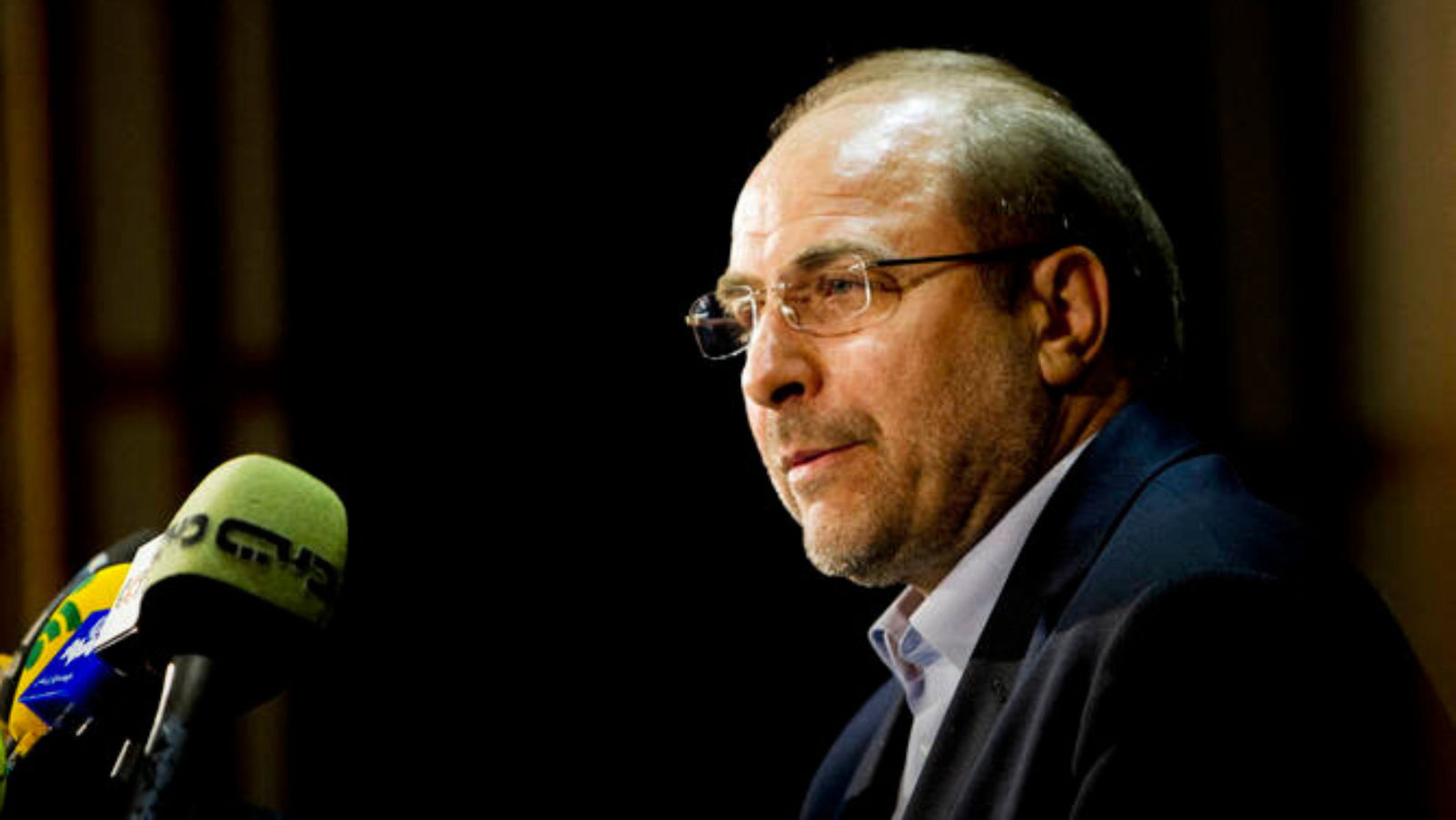
DUBAI: US President Donald Trump has claimed that Washington is engaged in active discussions with Iran’s parliamentary speaker Mohammad Bagher Qalibaf, but Tehran has strongly denied the existence of any such talks, further escalating tensions in the region.
The statement, which has brought renewed global attention to Trump Iran negotiations, was made during a recent interview in which the US leader suggested that diplomatic channels were open and progress was being made toward a possible agreement with Iran.
However, Qalibaf quickly rejected the claim, stating that the United States was presenting its political ambitions as reality while simultaneously issuing threats against Iran. His remarks reflect growing skepticism in Tehran over the narrative surrounding Trump Iran negotiations and the intentions behind such statements.
Iran’s Foreign Ministry also dismissed the claim. Spokesperson Esmail Baghaei confirmed that no direct negotiations had taken place between Washington and Tehran. He did, however, acknowledge that intermediaries had passed along certain proposals, indicating that indirect communication channels may still exist despite the denial of formal Trump Iran negotiations.
US Iran diplomatic talks 2026
The confusion surrounding Trump Iran negotiations comes at a time when diplomatic efforts between the two countries remain fragile. While indirect talks have been reported in recent months, Iranian officials insist that these cannot be interpreted as formal negotiations.
Baghaei emphasized that Iran remains cautious due to past experiences, noting that earlier rounds of indirect discussions were followed by military actions. This has created a trust deficit, making any future Trump Iran negotiations more complex and uncertain.
Iran denies US negotiations
Iran’s leadership has taken a unified stance in rejecting Trump’s claims. Qalibaf stated that such reports are designed to create confusion both domestically and internationally, portraying Iran as divided or open to negotiations under pressure.
According to analysts, the repeated mention of Trump Iran negotiations in international media could be part of a broader strategy to influence public perception and diplomatic positioning. Iranian officials argue that these narratives do not reflect reality and are instead politically motivated.
Trump Iran war warning
The situation has been further intensified by Trump’s warning that failure to reach an agreement could lead to significant military consequences. He has threatened to target Iran’s energy infrastructure and other critical facilities if a deal is not reached soon.
Such statements have added urgency to discussions surrounding Trump Iran negotiations, even as Tehran continues to deny their existence. The possibility of escalation remains a major concern for regional stability.
US Israel strikes Iran conflict
The backdrop to these developments is the ongoing conflict following joint US-Israeli strikes on Iranian targets earlier this year. The war, now in its fifth week, has significantly increased pressure on both sides to find a resolution.
In this context, Trump Iran negotiations have become a focal point of international attention, with observers closely monitoring whether diplomatic efforts can prevent further escalation.
Qalibaf political role Iran
Mohammad Bagher Qalibaf is a prominent figure within Iran’s political system, having previously served as a Revolutionary Guard commander and mayor of Tehran. Over the years, he has attempted to position himself as a pragmatic leader capable of engaging with the international community.
Despite this, his political career has been marked by controversy, including allegations of corruption and his role in crackdowns on protests. These factors have made him a complex figure in any discussion related to Trump Iran negotiations.
Iran leadership crisis after Khamenei
The internal political landscape in Iran has also been undergoing significant changes following the reported death of Supreme Leader Ali Khamenei. His successor, Mojtaba Khamenei, is believed to have supported Qalibaf in the past, raising questions about shifting power dynamics within the country.
These developments have added another layer of uncertainty to Trump Iran negotiations, as multiple centers of power within Iran may influence the direction of any potential diplomatic engagement.
indirect talks Iran US intermediaries
While both sides deny formal negotiations, the role of intermediaries cannot be overlooked. Reports suggest that proposals have been exchanged through third parties, indicating that some level of communication is ongoing.
This indirect approach has been a consistent feature of Trump Iran negotiations, allowing both countries to explore possibilities without committing to official talks.
Strait of Hormuz tensions
Another critical factor influencing the situation is the strategic importance of the Strait of Hormuz. Trump had previously set a deadline related to the waterway, highlighting its significance in global energy markets.
Any escalation in this area could have far-reaching consequences, making Trump Iran negotiations even more crucial for maintaining stability.
As tensions continue to rise, the conflicting narratives surrounding Trump Iran negotiations highlight the challenges of diplomacy in a highly volatile environment. While Washington speaks of progress, Tehran’s firm denial underscores the deep mistrust that continues to define relations between the two nations.
For more latest news articles and breaking news, visit our website .
Sweet blog! I found it while browsing on Yahoo News. Do you have any suggestions on how to get listed in Yahoo News? I’ve been trying for a while but I never seem to get there! Appreciate it