Putin Warns Russia Will Use Force in Ukraine if Peace Talks Fail to Secure Goals
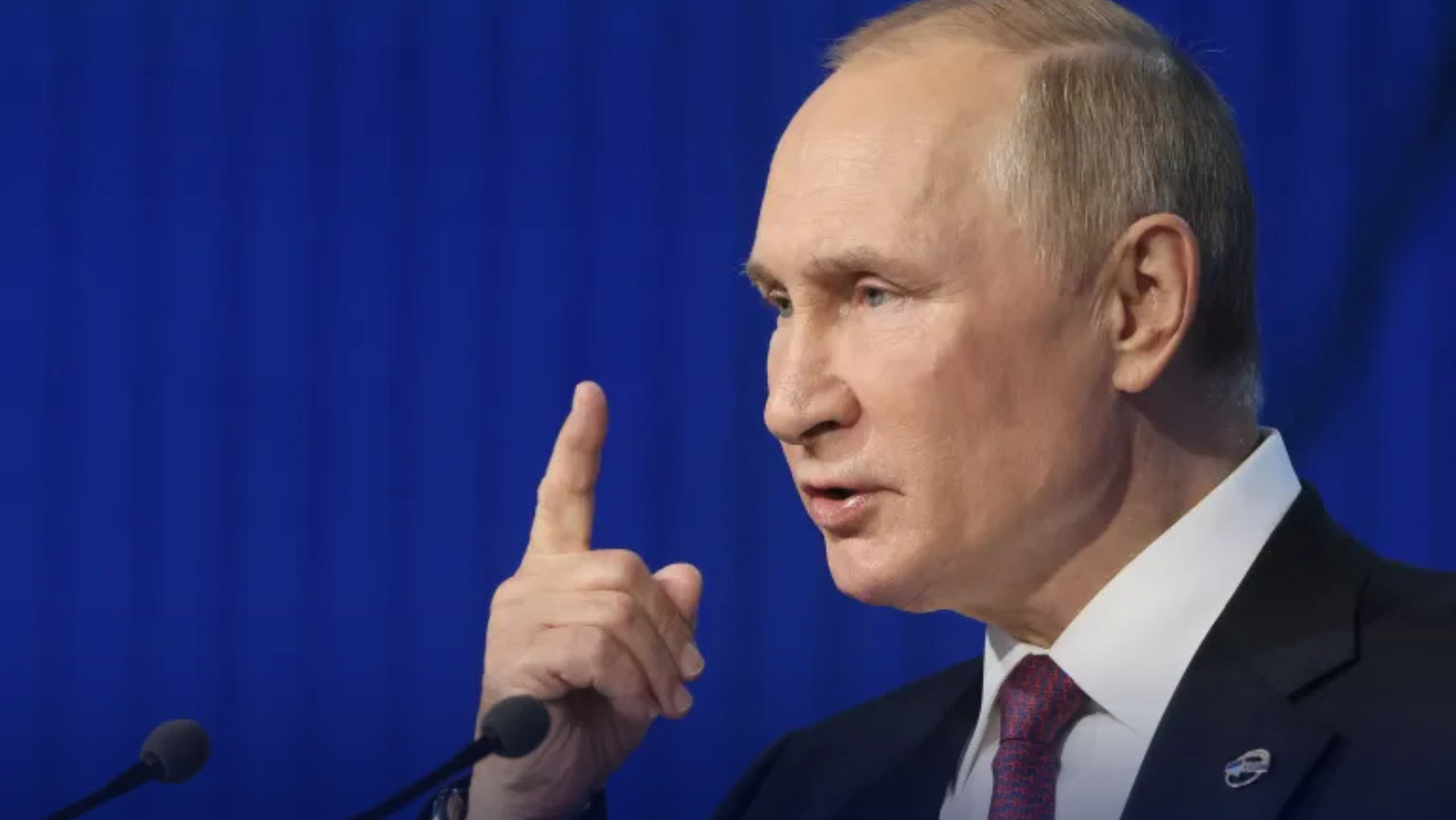
Diplomatic efforts in Ukraine continue as Putin signals military action if negotiations do not succeed
Moscow – Russian President Vladimir Putin has issued a stern warning that Russia will pursue its objectives in Ukraine by force if diplomatic efforts fail, raising international concerns about escalating tensions in the region. Speaking during an inspection of Russian troops on Saturday, Putin emphasized that Moscow remains committed to achieving its strategic goals, while signaling that military measures could be unavoidable if Ukraine refuses to engage meaningfully in peace talks.
This announcement comes amid a surge of Russian missile and drone strikes targeting Ukrainian towns, a development Ukrainian officials have criticized as pressure tactics designed to undermine diplomatic negotiations. Ukrainian President Volodymyr Zelensky reiterated his commitment to peaceful resolution, despite intensifying military actions along the frontline.
Putin was briefed by Russian commanders on territorial gains in Donetsk and Zaporizhzhia, including key towns such as Myrnohrad, Rodynske, Artemivka, Huliaipole, and Stepnohirsk. Kremlin communications stressed that these operations were critical to maintaining momentum on the battlefield and ensuring that Russia’s strategic objectives in Ukraine are met.
However, Ukrainian military sources rejected claims of total Russian control, asserting that fierce resistance continues in contested areas. The Southern Command reported ongoing combat in Huliaipole and Myrnohrad, highlighting the difficulty of confirming battlefield outcomes due to limited access and the shifting nature of conflict zones. Analysts relying on satellite imagery and geolocated footage caution that the situation on the ground remains fluid.
Russian Advances in Eastern Ukraine Raise Strategic Concerns
Military analysts note that Russian operations in Donetsk and Zaporizhzhia aim to secure important transport routes, industrial zones, and logistical hubs. By controlling these areas, Moscow can strengthen its supply lines and consolidate power across southeastern Ukraine, potentially giving it leverage in future negotiations.
While Russia frames these advances as protective measures for Russian-speaking populations, Ukrainian officials maintain that military aggression continues to displace civilians and worsen the humanitarian crisis. The ongoing combat threatens to undermine diplomatic efforts, leaving international mediators concerned about the potential for broader regional escalation.
Humanitarian Impact Intensifies Amid Escalating Conflict
The intensification of fighting has had a severe impact on civilians in affected towns. Residents face shortages of food, medical supplies, and electricity as conflict disrupts daily life. Evacuations have been attempted where feasible, but persistent shelling and drone attacks have complicated relief operations. International aid organizations continue to urge safe corridors for civilians and humanitarian convoys to minimize casualties.
“People in contested regions are caught in the crossfire, and urgent action is needed to protect non-combatants,” said Elena Petrova, a humanitarian coordinator in eastern Ukraine. “Negotiations must continue to prevent further loss of life.”
Western Reactions and Diplomatic Channels
Western governments, including the United States and European Union members, have condemned Russia’s military escalation while emphasizing the importance of returning to diplomatic discussions. Both Brussels and Washington have stressed that further strikes on civilian areas could jeopardize peace efforts and destabilize regional security.
The upcoming meeting between President Zelensky and US President Donald Trump in Florida is expected to focus on renewed frameworks for negotiations. Topics include potential ceasefires, monitored withdrawals from contested areas, and long-term security guarantees. Observers believe that the outcome of this meeting could significantly influence whether Russia continues to escalate or engages in genuine diplomatic compromise.
Negotiation Prospects and Challenges
Diplomatic sources indicate that proposals under discussion may involve limited ceasefires, verification mechanisms, and agreements on controlling key infrastructure. Ukraine seeks to maintain sovereignty and protect civilians, while Russia insists on securing strategic positions. The tension between these objectives has made reaching an agreement particularly challenging.
Political analysts highlight that internal pressures on both sides further complicate negotiations. Russia’s leadership faces domestic expectations to achieve tangible results on the battlefield, while Ukraine must balance military resistance with the urgent need to protect civilians.
Potential Consequences for Regional Stability
The conflict in Ukraine carries significant geopolitical implications. Continued escalation could draw neighboring nations into the conflict, strain relations between Russia and NATO members, and potentially disrupt international energy and trade routes. Experts warn that the longer the military confrontations persist, the greater the risk of protracted instability in Eastern Europe.
Russia’s warning that it will use force if peace negotiations fail underscores the delicate balance between diplomacy and military action. International actors, including the UN and the Organization for Security and Co-operation in Europe, are closely monitoring the situation, emphasizing that sustained engagement is crucial to prevent wider conflict.
Monitoring the Conflict and International Oversight
Independent organizations are tracking developments using satellite imagery, geolocated footage, and reports from humanitarian agencies. These monitoring efforts aim to provide transparent and timely information to policymakers and the public. While battlefield verification is complex, mounting evidence confirms ongoing hostilities and civilian impact.
Kyiv authorities have called on the international community to support diplomatic solutions while assisting in defense measures. The next few days are expected to be pivotal, determining whether negotiations can prevent further escalation or if Russia will proceed with forceful actions to secure its objectives in Ukraine.
Looking Ahead: Peace or Escalation
The coming period is likely to define the trajectory of Ukraine-Russia relations. Observers emphasize that sustained diplomatic engagement, coupled with pressure from international actors, may offer the best opportunity to avoid further military conflict. Conversely, failure to reach a compromise could result in intensified operations across contested regions, prolonging the humanitarian crisis and straining global diplomatic networks.
Russia’s declaration to achieve its goals by force if Ukraine refuses peace marks a crucial point in the ongoing war. Both sides face difficult choices, and the international community will be closely observing each development to assess the prospects for either a negotiated settlement or continued escalation.
For more updates on Russia-Ukraine tensions and related developments, visit our latest news section