
Australia Heatwave 2026 Brings Record Temperatures and Fire Risks
Extreme Heat Sweeps Across Multiple States
Australia is facing an unprecedented surge in temperatures as the Australia Heatwave 2026 intensifies, raising alarm across the country. Meteorologists have warned that some regions could face catastrophic fire conditions, the highest alert on Australia’s fire danger scale. Residents are being urged to remain vigilant and prepare for potentially life-threatening conditions.
The heatwave is affecting Victoria, New South Wales, South Australia, and Western Australia, bringing extreme temperatures that experts say could be among the worst in recent years. Authorities are stressing the importance of following official safety advice as the situation evolves.
Victoria Declares Total Fire Ban
Victoria has imposed a total fire ban across areas most at risk. Schools, childcare centers, and public facilities in high-alert zones have been temporarily closed. Emergency services are on heightened alert, with firefighters mobilized to respond to any outbreaks immediately.
Tim Wiebusch, Victoria’s Emergency Management Commissioner, advised residents:
“Enact your bushfire survival plan now. If you are in an area with forecast catastrophic fire danger, leave early for safety.”
Officials note that the current heatwave draws comparisons to the Black Summer bushfires of 2019-2020, emphasizing the potential severity of the Australia Heatwave 2026. Experts warn that early preparation is crucial for protecting lives and property.
Temperatures Reach Dangerous Levels
Many regions are already recording dangerously high temperatures. Melbourne soared to 40.9°C (105.6°F) on Wednesday, while towns in Western Australia hit 49°C. Sydney is forecast to reach 42°C by Saturday, with parts of South Australia and Western Australia expected to exceed 40°C over the next few days.
These extreme conditions have prompted warnings from health authorities, who advise residents to avoid outdoor activities during peak heat and ensure adequate hydration. Prolonged exposure to high temperatures can cause heat exhaustion, heatstroke, and other serious health risks.
Rising Bushfire Risk
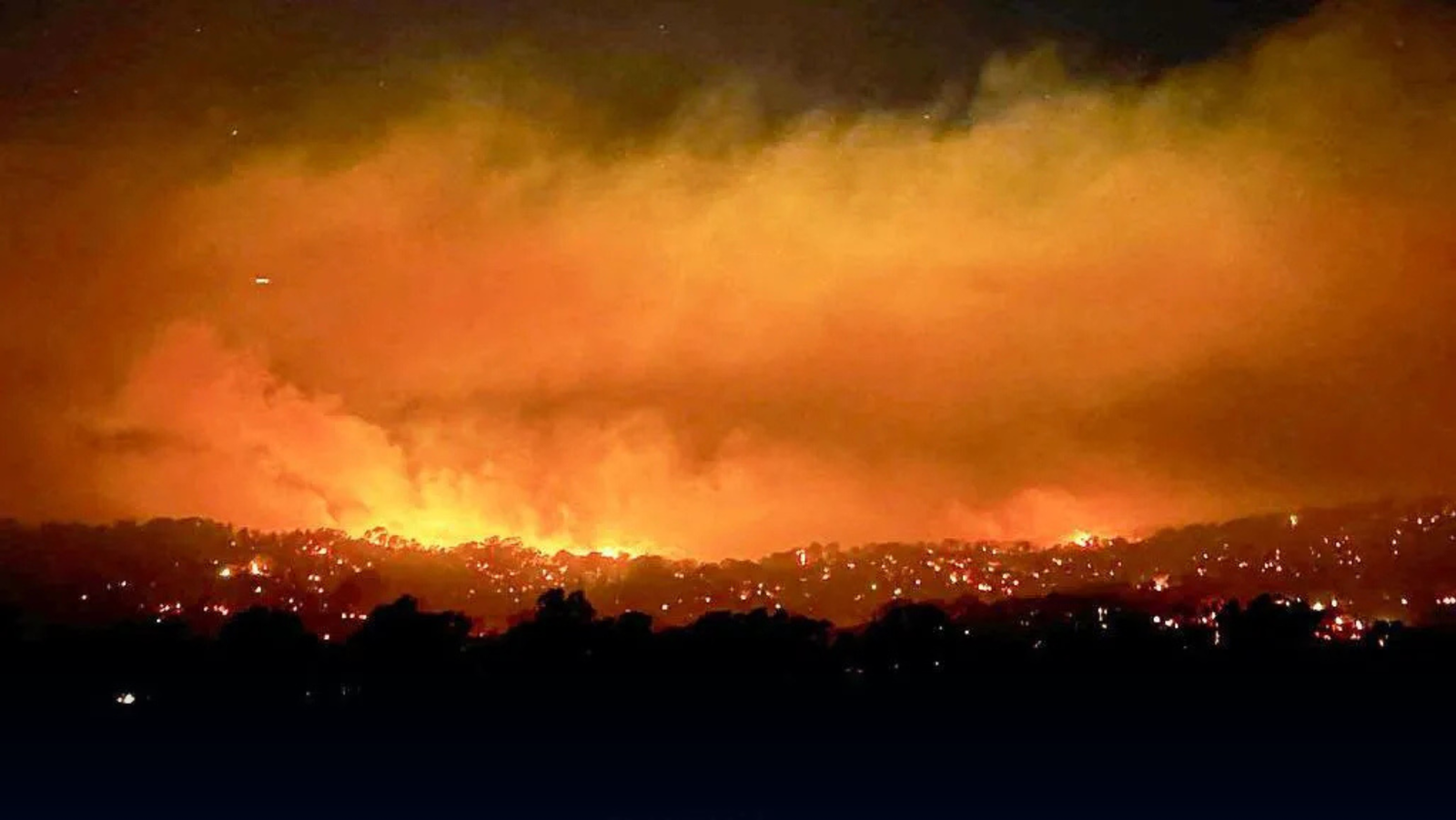
Firefighters are currently managing multiple blazes, including a significant fire near Wodonga in Victoria. More than a dozen water-bombing aircraft have been deployed alongside ground crews. Officials warn that the combination of strong winds, dry lightning, and extreme heat could turn small fires into uncontrollable blazes.
The bushfire risk Victoria faces is particularly high, and authorities are urging communities to stay alert and follow official evacuation advice if necessary.
Evacuation and Safety Measures
Emergency services are advising residents in high-risk zones to consider early evacuation. Preparing bushfire survival plans, clearing flammable materials around homes, and ensuring access to water supplies are critical steps.
Residents are also encouraged to check on neighbors and vulnerable community members, including the elderly and those with health conditions. The Australian fire safety warnings emphasize that proactive measures can significantly reduce the risk of harm during this heatwave.
Daily Life Disruptions
The heatwave is disrupting daily routines in affected areas. Schools, childcare centers, and public facilities have been closed, and many events have been canceled or postponed. Electricity demand has surged as residents rely on air conditioning to cope with the sweltering conditions, raising concerns about potential power shortages in some areas.
Transportation services have also been affected. High temperatures can impact road safety and damage rail tracks, while authorities warn of possible flight delays in regions affected by fires.
Historical Context
Experts note that the Australia Heatwave 2026 is one of the most severe events in recent years, drawing comparisons to the Black Summer bushfires. Rising temperatures, prolonged droughts, and climate change contribute to the frequency and intensity of such heatwaves, which in turn increase the likelihood of catastrophic fires.
Regions with dry vegetation, strong winds, and sustained heat are particularly at risk. Current forecasts suggest parts of southeastern Australia could experience conditions not seen in over a decade.
Health Precautions
Health authorities have emphasized the dangers of extreme heat on human health. Vulnerable groups, including children, the elderly, and those with pre-existing conditions, are at higher risk. Residents are advised to remain indoors during peak heat hours, drink plenty of water, and avoid strenuous activity outdoors.
Cooling centers and public shelters have been opened in several cities to provide relief for those without adequate access to air conditioning. Officials encourage people to monitor local advisories regularly during the Australia Heatwave 2026.
Firefighting Efforts Intensify
Firefighting teams across multiple states are working tirelessly to contain existing fires and prevent new outbreaks. Water-bombing aircraft, fire engines, and ground crews have been strategically deployed to protect critical areas.
Authorities warn that conditions remain highly unpredictable. Dry lightning, shifting winds, and extreme heat could intensify fire behavior quickly, making preparedness essential for all residents.
Looking Ahead
The heatwave is expected to continue over the coming week, with temperatures remaining dangerously high in many regions. Residents are encouraged to follow local advisories, implement bushfire survival plans, and remain alert for emergency instructions.
Authorities stress that early action can significantly reduce risk. Evacuating in advance, preparing emergency kits, and following safety guidelines are essential for protecting life and property during the Australia Heatwave 2026.
Conclusion
The Australia Heatwave 2026 has brought extreme temperatures and elevated fire risks across the nation. Residents in affected areas must take the warnings seriously, follow official advice, and prepare for potential evacuations.
Firefighters are working tirelessly to contain multiple fires, and authorities warn that conditions could worsen quickly. With temperatures surpassing 40°C in multiple states, preparation, vigilance, and adherence to safety protocols are critical for navigating this dangerous weather event.
The heatwave serves as a reminder of the importance of community preparedness, cooperation, and proactive measures to minimize risk and protect lives. Residents are urged to remain informed and take immediate action to safeguard themselves and their property as the situation unfolds.
Stay updated on breaking news, latest events, and top stories from around the world — visit our website.