
UK and European Allies Accuse Russia of Poisoning Navalny
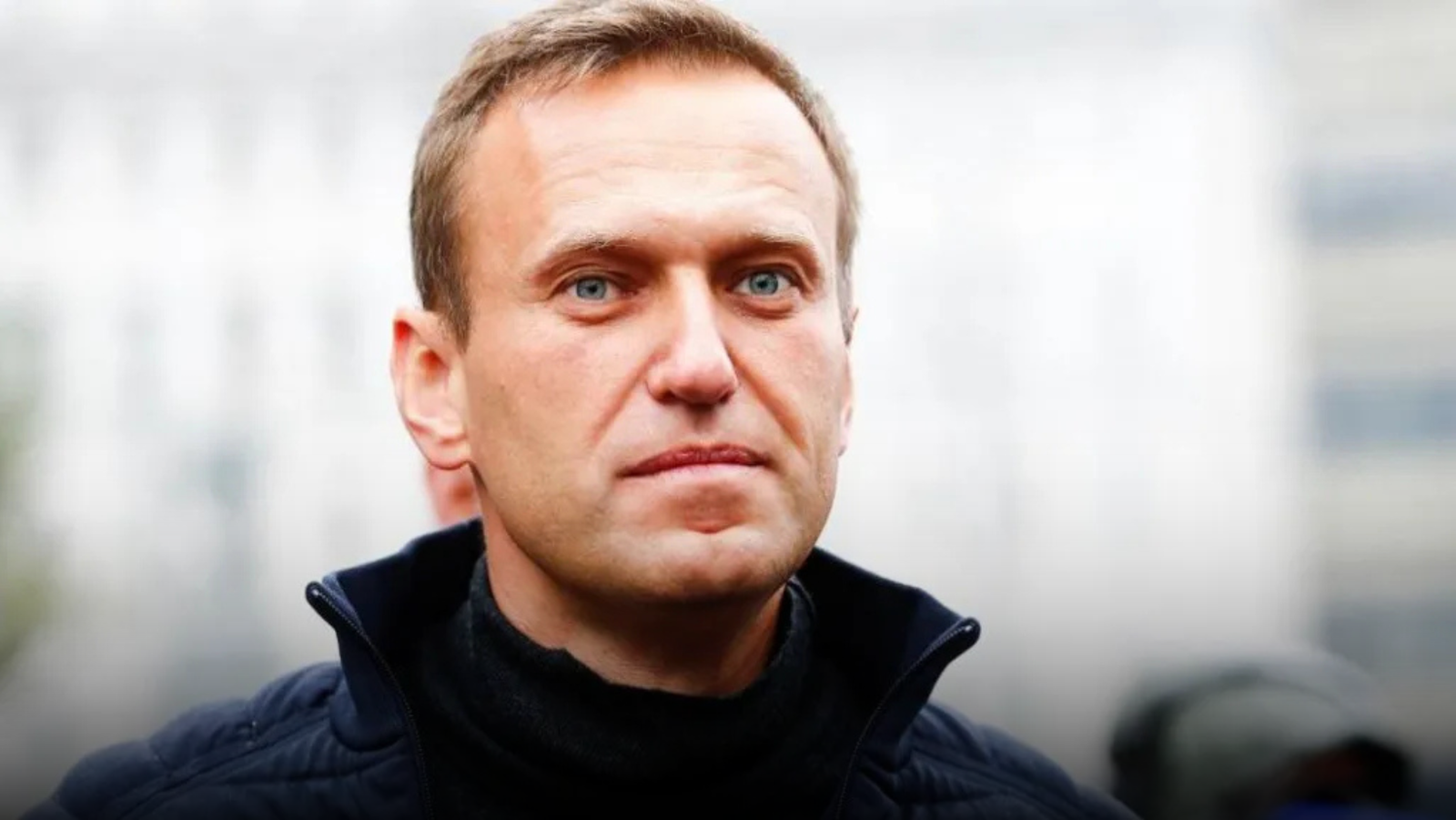
Alexei Navalny Killed Using Rare Dart Frog Toxin, Say Western Powers
The United Kingdom and several European allies have formally accused Russia of killing opposition leader Alexei Navalny with a rare and highly potent toxin derived from dart frogs, nearly two years after his death in a Siberian penal colony. The announcement, delivered at the Munich Security Conference, has reignited scrutiny over Russia’s treatment of political prisoners and its methods of eliminating dissent.
UK Foreign Secretary Yvette Cooper stated that analysis of biological samples taken from Navalny’s body revealed traces of epibatidine, a powerful neurotoxin naturally produced by certain South American dart frogs. She asserted that “only the Russian state had the means, motive, and opportunity” to administer such a substance while Navalny was in prison.
Western Nations Jointly Condemn Navalny’s Murder
A coordinated statement from the UK, Germany, France, Sweden, and the Netherlands emphasized that the presence of epibatidine in Navalny’s system could not be explained by natural means. Experts highlighted that the toxin is not indigenous to Russia and cannot be synthesized by dart frogs in captivity, reinforcing the conclusion that the Russian state deliberately deployed it.
European leaders called the findings “a clear act of state-sponsored assassination.” The joint statement demanded accountability, urging Moscow to provide explanations for Navalny’s death and respect international law.
Russia Denies Involvement in Navalny’s Death
The Russian government rejected the allegations. State media described the European findings as part of an “information campaign” designed to tarnish Russia’s international reputation. Moscow reiterated its previous position, denying any role in Navalny’s death and claiming that the conclusions lacked a scientific foundation.
Despite official denials, the evidence gathered by European authorities has been widely publicized. Analysts note that the high-profile nature of Navalny’s political activism and his status as a vocal critic of President Vladimir Putin make him a symbolic target for retaliatory measures.
Navalny’s Life and Opposition Work
Alexei Navalny, a 47-year-old anti-corruption campaigner, was one of Russia’s most prominent opposition figures. He had previously survived a 2020 Novichok poisoning while campaigning against government corruption. Navalny returned to Russia after medical treatment abroad and was imprisoned in a remote Arctic penal colony, where he ultimately died on 16 February 2024.
Navalny’s activism focused on exposing corruption, advocating for democratic reforms, and challenging entrenched political elites in Russia. His courage inspired international attention, with Western leaders praising his efforts to combat systemic abuse of power.
Toxicology of Epibatidine
Epibatidine, identified as the toxin responsible for Navalny’s death, is an extremely potent neurotoxin that affects the central nervous system. Experts note that it can induce severe symptoms, including muscle paralysis, seizures, respiratory failure, and death. The compound occurs naturally only in tiny quantities in select wild South American frog species and is considered too toxic for medical application.
Toxicology reports indicated that even minimal exposure could be fatal. Investigators argue that the deliberate use of epibatidine points to careful planning and technical expertise, reinforcing allegations of state involvement.
International Reactions and Diplomatic Pressure
UK Prime Minister Keir Starmer paid tribute to Navalny’s bravery, emphasizing that his campaign to expose corruption left a lasting legacy. French Foreign Minister Jean-Noel Barrot similarly highlighted Navalny’s contribution to democratic ideals in Russia.
Navalny’s widow, Yulia Navalnaya, expressed relief that the investigation acknowledged what she had long suspected—that her husband had been poisoned. She thanked European authorities for their work and called for continued international pressure on Russia to account for its actions.
The UK Foreign Office confirmed it has notified the Organisation for the Prohibition of Chemical Weapons (OPCW), citing a potential violation of the Chemical Weapons Convention. Diplomatic efforts are ongoing, with Western governments pressing Moscow for transparency and accountability.
Implications for Russia-West Relations
Navalny’s death continues to strain relations between Russia and Western powers. The European findings add to a growing list of allegations against the Russian state regarding human rights violations and targeted political assassinations. Analysts suggest that failure to address these accusations could lead to increased sanctions, diplomatic isolation, and further international condemnation.
Observers also note the broader regional implications. The use of a rare neurotoxin in a high-profile political killing signals a willingness by Russia to employ unconventional methods against perceived threats, raising alarm for neighboring nations and global security agencies.
Continuing Legacy of Alexei Navalny
Even after his death, Navalny remains a symbol of resistance against corruption and autocratic governance in Russia. His case has catalyzed discussions on political accountability, human rights, and international norms regarding the treatment of prisoners and political dissent.
The Western alliance’s accusations of state-sponsored poisoning underscore the importance of international oversight, transparency, and enforcement of chemical weapons conventions. Navalny’s legacy now serves as both a cautionary tale and an emblem for ongoing struggles for justice and democracy.
For more updates on international politics, human rights, and security developments, follow ongoing coverage on Time of Gulf.