Myanmar Junta Elections 2026 | Controversial Vote Amid Civil War
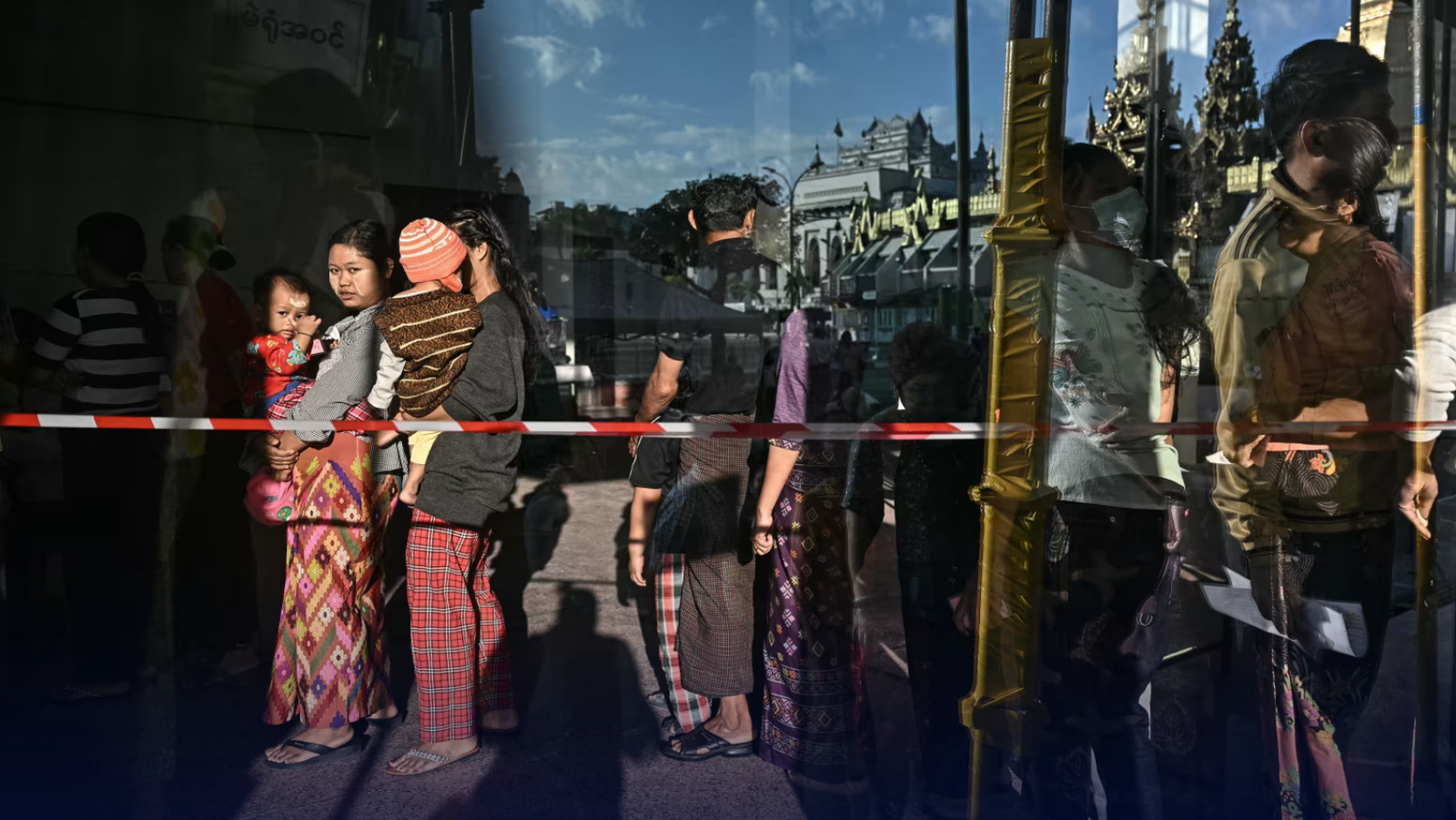
Myanmar Election Security 2026: Heavy Measures Amid Conflict
Yangon, Myanmar — Myanmar’s military junta went ahead with long-delayed elections on Sunday, holding a controversial vote nearly five years after seizing power in the 2021 coup that plunged the country into a brutal civil war. The generals claim the polls are a step toward restoring democratic governance, but critics and international rights organisations argue the election is designed to consolidate military control rather than reflect the will of the people.
Voting opened under unprecedented security measures and strict laws criminalising criticism or interference with the election process. Hundreds have already been arrested for allegedly violating these rules, while large parts of the country — especially conflict-hit border areas and central regions — remain unable to vote due to ongoing clashes between the military, ethnic armed groups, and pro-democracy militias.
Political Prisoners and NLD Ban Highlight Electoral Control
Myanmar’s most popular leader, Nobel Peace Prize laureate Aung San Suu Kyi, continues to serve a 27-year prison sentence following convictions widely condemned as politically motivated. Her party, the National League for Democracy (NLD), which won a landslide victory in the last free election, has been dissolved. This has left the ballot dominated by parties aligned with or sympathetic to the military, effectively limiting voter choice.
“The election is a cynical exercise to entrench military power,” said Richard Horsey, senior adviser at the International Crisis Group. Analysts note that recent battlefield gains by junta forces, aided by mass conscription and Chinese-supplied weapons, have given the generals confidence to push ahead with the vote.
Under the military-drafted constitution, 25% of parliamentary seats are reserved for armed forces, guaranteeing the military’s continued influence regardless of electoral outcomes. Experts warn that this ensures the polls serve as a formal gesture of legitimacy rather than a true democratic process.
Humanitarian Crisis 2026: Civil War Impact on Civilians
The election unfolds against the backdrop of a deepening humanitarian crisis. Since the 2021 coup, the United Nations and human rights groups have documented widespread abuses, including attacks on civilians, destruction of villages, arbitrary detentions, and forced conscription. Aid access has been severely restricted, leaving vulnerable populations without adequate food, healthcare, or shelter.
UN Special Rapporteur Tom Andrews described the situation as “nothing short of a fraud,” noting that free and fair elections are impossible under conditions of repression and violence. Many analysts emphasise that without political reform and conflict resolution, these elections will not improve the humanitarian situation.
International Reactions and Diplomatic Pressure
International reaction to the elections has been critical. Western nations and organisations denounced the process as a junta-driven exercise aimed at legitimising authoritarian control. ASEAN, which has engaged with Myanmar’s military leadership, faces criticism for its limited ability to address human rights violations.
China and Russia have maintained a neutral stance, citing non-interference and encouraging dialogue. Some analysts suggest that this international division inadvertently strengthens the junta, providing diplomatic cover and continued access to military support, further complicating the prospects for genuine democracy in Myanmar.
Voices from the Ground: Fear and Frustration
In conflict-affected regions, voters expressed fear and frustration. Residents of northern Shan State and Kayin State, where clashes are ongoing, reported that many civilians could not participate due to insecurity and travel restrictions.
One local activist, speaking under anonymity, said: “This election ignores the suffering of millions of people. It is a hollow exercise designed to strengthen the military rather than address public needs.”
Meanwhile, internally displaced persons and ethnic minority communities report continued harassment and forced recruitment by the military. Humanitarian workers stress that without political reform and peace initiatives, the elections will not alleviate the suffering of civilians.
Military Strategy and Political Calculations
Experts argue that the junta’s decision to hold elections reflects both strategic calculations and political ambitions. By holding polls, the military projects an image of stability and legitimacy domestically and internationally. Simultaneously, it consolidates control over parliament and key institutions, ensuring the ability to shape laws and maintain influence irrespective of voter turnout or opposition participation.
“The elections are less about democracy and more about creating a façade of legitimacy,” said Andrew Selth, a Southeast Asia analyst. “The military is leveraging the election to show control and weaken remaining pro-democracy forces.”
Future of Myanmar Politics: Uncertain Prospects
As fighting continues across the country and the humanitarian crisis deepens, analysts warn that these elections are unlikely to bring meaningful peace or legitimacy. Instead, the vote highlights the deep political and societal fractures within Myanmar, raising concerns that the military may tighten its grip on power further.
Observers caution that unless the international community applies consistent pressure and engages in sustained diplomatic efforts, the junta will continue to exploit elections and other formal mechanisms to maintain control, prolonging civil conflict and worsening the humanitarian crisis.
The people of Myanmar, meanwhile, remain caught in a war that shows little sign of resolution. Genuine democracy, accountability, and reconciliation remain distant aspirations as the country struggles with violence, political repression, and mass displacement.
Visit our website for latest international affairs and regional news updates, expert analysis, and real‑time conflict reports