

Trump Announces Venezuela Will Transfer Up to 50 Million Barrels of Oil to the US
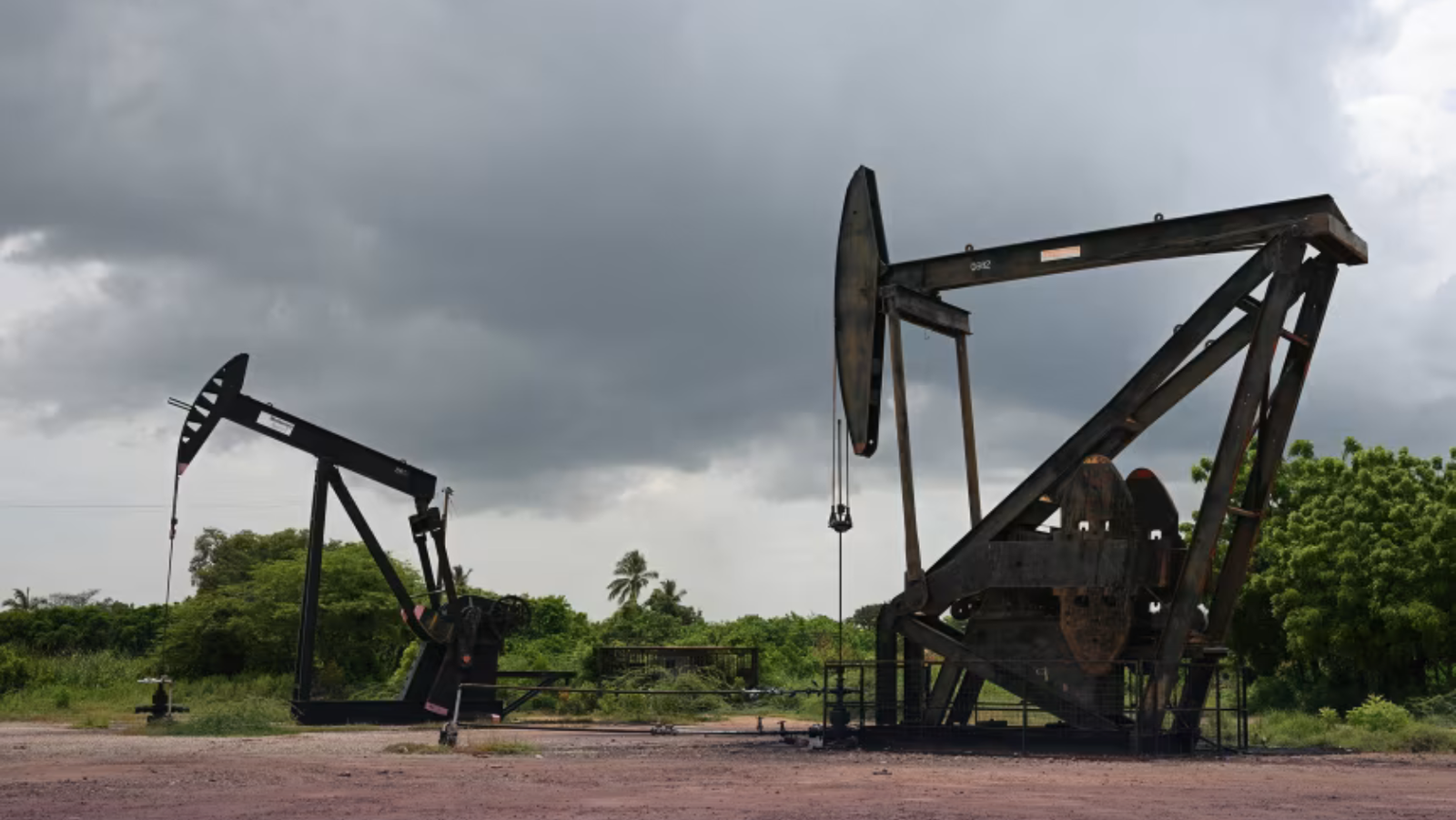
Trump announces Venezuela oil transfer of up to 50 million barrels to the US to boost energy supplies and stabilize markets amid ongoing sanctions
US President Donald Trump has announced that interim authorities in Venezuela will transfer between 30 million and 50 million barrels of crude oil to the United States, marking a significant shift in energy policy and international resource management. The transfer, approved by the Trump administration, is intended to increase US access to strategic energy resources while reinforcing Washington’s control over revenue from the sale of Venezuelan crude.
According to the announcement, the oil will be sold at market value, and all proceeds will be managed by the US government. President Trump emphasized that the plan is designed to benefit both the American economy and the Venezuelan people, although some analysts have raised questions about long-term implications for Venezuelan sovereignty. The transfer represents one of the largest coordinated moves to redirect Venezuelan crude to the United States in recent years.
How the Venezuela oil transfer will be executed
The plan involves transporting crude oil directly from Venezuelan storage facilities and previously detained tankers to US ports along the Gulf Coast. Energy Secretary Chris Wright has been tasked with overseeing the logistics and ensuring that shipments proceed without delays. The first batch of oil is scheduled to arrive at US refineries in the coming weeks, with additional volumes following according to storage and production capacity.
Both onshore stockpiles and barrels stored aboard Venezuelan tankers are included in the agreement. Officials stated that much of the crude has already been produced and is ready for immediate shipment. President Trump stressed that this rapid deployment is crucial because Venezuela’s heavy crude requires timely handling to maintain quality and maximize efficiency during refining.
Impact on US energy and the global market
While the total transfer of 30 to 50 million barrels is significant, it constitutes a fraction of the US daily oil consumption, which exceeds 20 million barrels per day. As such, the immediate effect on fuel prices in the United States is expected to be moderate. However, the strategic value lies in the increased control over Venezuelan oil flows and the ability to stabilize supply amid ongoing regional sanctions and geopolitical uncertainty.
Experts note that the move could influence global crude markets by signaling that the US is prepared to directly access and manage energy resources from nations under sanctions. This action also highlights the interplay between political strategy and energy security, reflecting Washington’s broader goal of diversifying its supply sources while asserting influence over critical crude reserves.
Venezuela’s oil reserves and current production
Venezuela holds one of the world’s largest proven oil reserves, yet production has declined significantly due to years of mismanagement, economic instability, and sanctions. Prior to the transfer, daily production hovered near 1 million barrels, far below historical levels. The decision to release 30 to 50 million barrels of crude allows Venezuela to monetize stored oil while simultaneously responding to US diplomatic pressure.
The oil transfer also addresses challenges posed by Venezuela’s maritime storage bottlenecks, as tankers carrying crude have been unable to offload due to restricted port access. By authorizing shipments to the United States, the Trump administration is effectively opening the way for Venezuelan reserves to reach global markets under US oversight.
Legal and political considerations
The oil transfer has generated debate regarding its legality and international implications. Critics argue that US control over Venezuelan resources raises questions about sovereignty and sets a precedent for using political leverage to access natural assets. Supporters contend that the move strengthens energy security and ensures that the proceeds from oil sales are used in a transparent manner, mitigating potential misuse by interim authorities in Venezuela.
Internally, the Trump administration has framed the transfer as both a practical energy strategy and a political tool to maintain influence in Latin America. The arrangement also signals to other nations that the US may intervene strategically to manage energy flows from politically unstable regions.
Reactions from Venezuelan authorities and global partners
Venezuelan interim authorities have largely framed the oil transfer as a pragmatic measure to generate revenue and stabilize the country’s energy sector. By collaborating with the United States, officials aim to leverage international oversight while addressing pressing economic needs. Some analysts suggest that the move may strengthen the legitimacy of the interim government by demonstrating its ability to manage resources effectively.
Internationally, responses have been mixed. While some global energy buyers view the move as a potential opportunity to access Venezuelan crude under stable conditions, others express concern about the long-term precedent of transferring sovereign resources under foreign supervision. Observers continue to monitor the situation to assess its impact on regional energy markets.
Strategic and economic implications
The Venezuela oil transfer aligns with the US administration’s broader energy strategy, which focuses on securing alternative crude sources and reducing dependence on traditional suppliers. The operation also underscores how geopolitical considerations intersect with resource management, particularly in regions with contested political authority.
Financially, the sale of 30 to 50 million barrels of Venezuelan crude is expected to generate between $1.5 billion and $3 billion in revenue, depending on global market conditions. These proceeds, controlled by the US government, will contribute to energy stabilization efforts and provide funds that the administration has indicated will benefit both American consumers and Venezuelan reconstruction programs.
Future prospects for US‑Venezuela energy cooperation
President Trump has suggested that this initial transfer could lead to further agreements if logistical, political, and market conditions permit. Discussions are ongoing regarding potential US investment in Venezuelan oil infrastructure to increase production efficiency and enable further shipments under controlled supervision. Long-term prospects depend on both political stability in Venezuela and the successful execution of the current transfer plan.
The initiative also serves as a test case for US engagement in other resource-rich nations under sanctions, illustrating how energy policy, economic strategy, and geopolitical influence can converge to address national priorities.
For more latest news articles and breaking news, visit our website.


Some really interesting information, well written and generally user friendly.