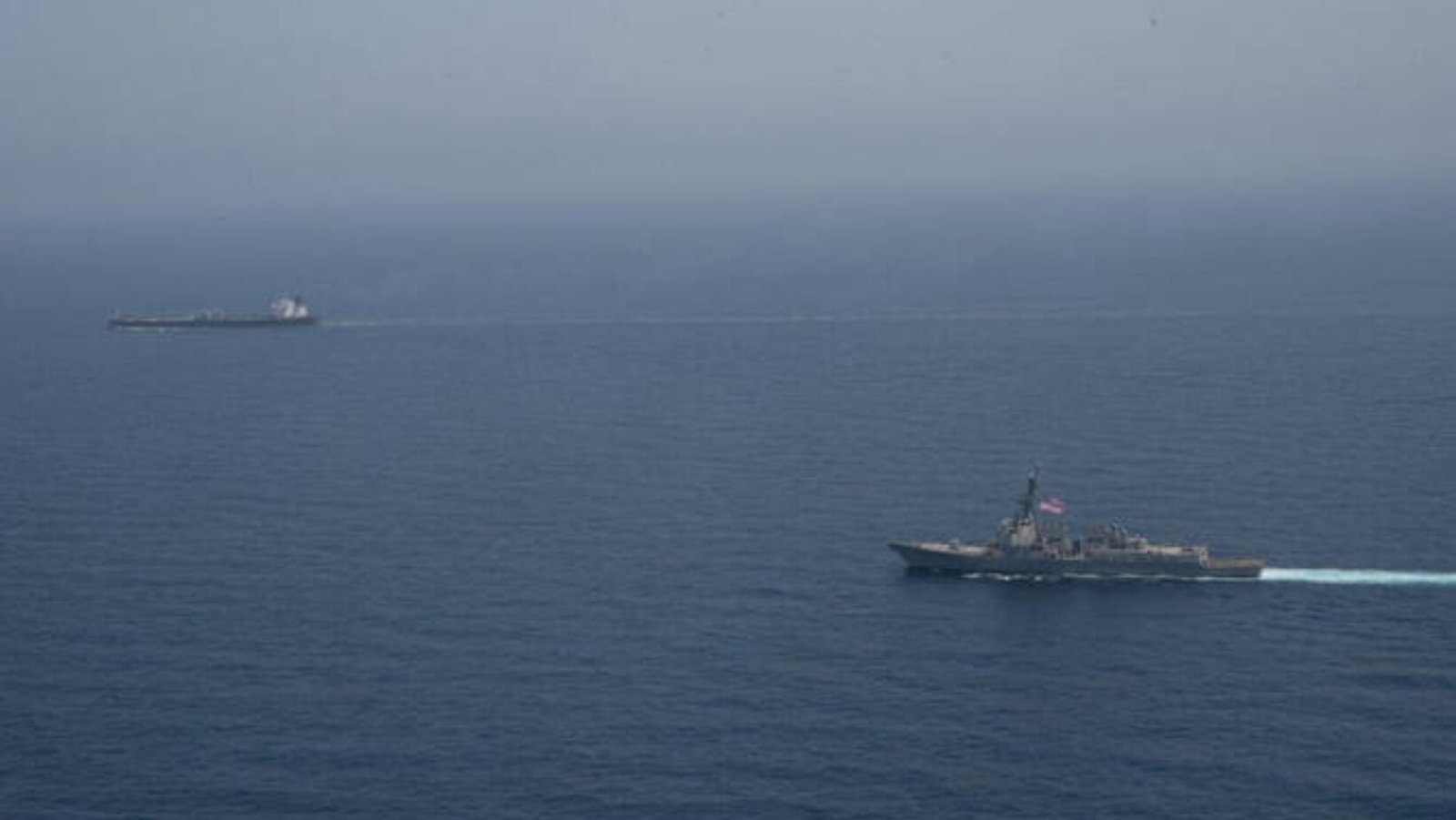
Iran Rejects US Ceasefire Plan Before Deadline as Tensions Surge Across Middle East Region
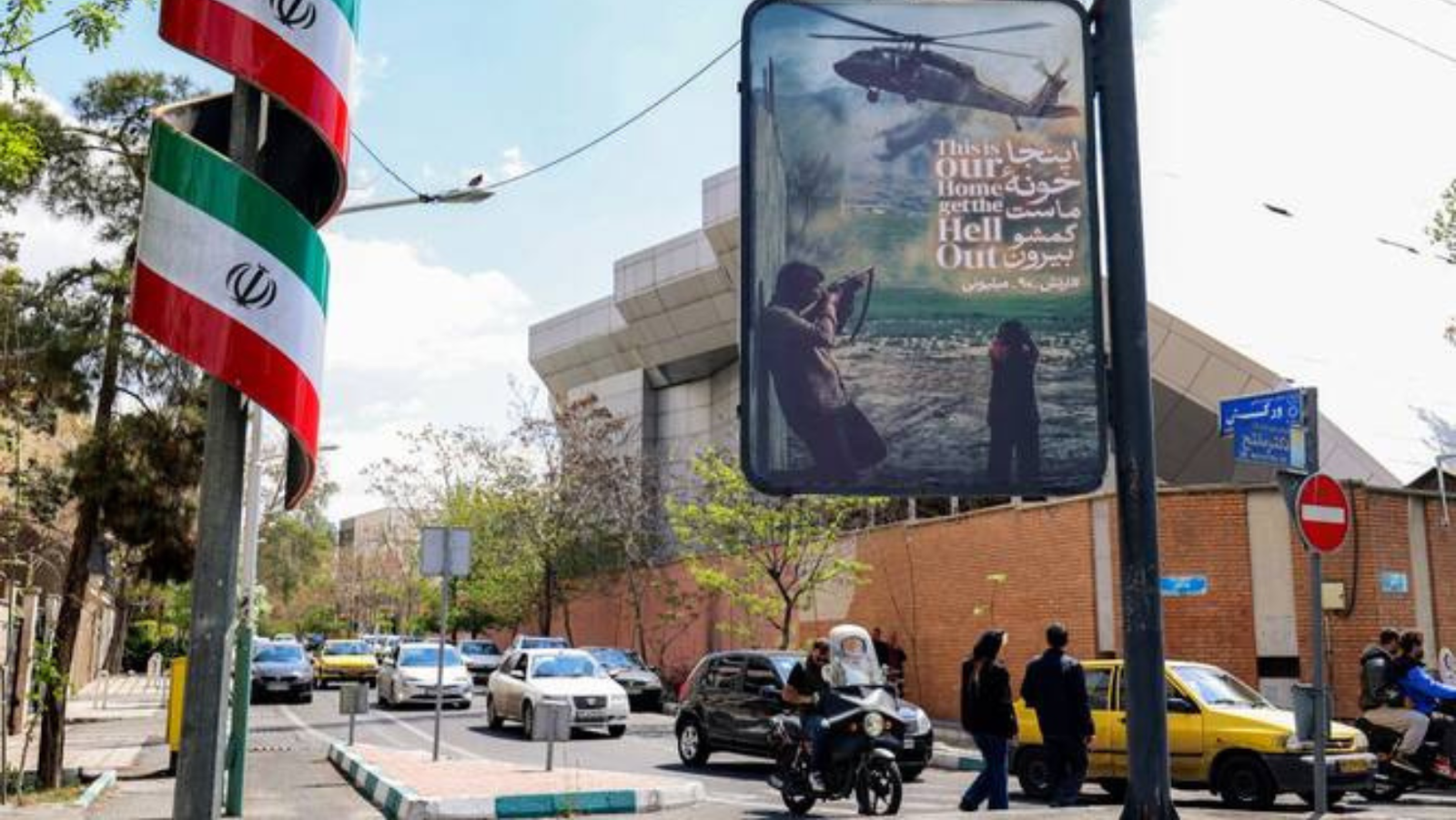
Iran Rejects US Ceasefire Plan Before Deadline amid rising military escalation and oil fears
Iran has firmly rejected a United States-backed ceasefire proposal just hours before a high-stakes deadline, intensifying an already volatile conflict across the Middle East. The refusal has heightened fears of a broader regional war as military activity continues to escalate between Iran and Israel.
The proposed agreement aimed to immediately halt hostilities, reopen key maritime routes, and initiate diplomatic negotiations within a short timeframe. However, Iranian authorities declined the offer and instead presented a set of conditions that focus on sanctions relief, regional stability, and long-term security guarantees.
This development signals a deep divide between the parties involved, reducing the likelihood of a quick diplomatic breakthrough.
Escalating Military Operations Increase Regional Risk
Military exchanges intensified significantly as the deadline approached, with both sides carrying out strikes and counter-strikes targeting strategic locations. The scale and frequency of these operations have increased concerns about the conflict expanding beyond its current boundaries.
Israeli forces conducted coordinated airstrikes aimed at critical infrastructure, while Iranian defenses responded with missile launches and aerial interception systems. The situation remains fluid, with continuous reports of new attacks and defensive actions.
Neighboring countries have also been drawn into a heightened state of alert, reinforcing their defense measures and issuing safety advisories. The spread of hostilities across borders highlights the fragile security environment in the region.
Hormuz Strait Closure Disrupts Global Energy Supply
A major factor contributing to global concern is the continued closure of the Strait of Hormuz, a crucial route for international oil and gas shipments. This narrow passage plays a vital role in global energy supply, and its disruption has immediate economic consequences.
Oil prices have surged sharply as uncertainty grows, with markets reacting to fears of prolonged supply interruptions. Analysts warn that continued instability could lead to sustained increases in fuel costs and inflation worldwide.
Energy-importing countries are particularly vulnerable, as they rely heavily on stable supply routes. The situation has placed additional pressure on global markets already dealing with economic challenges.
Diplomatic Efforts Face Major Setbacks
Efforts to secure a ceasefire have faced significant obstacles, as both sides remain firm in their positions. The rejection of the proposed deal underscores the complexity of the conflict and the challenges involved in reaching a compromise.
Iran’s response reportedly includes broader demands that go beyond an immediate ceasefire, focusing on long-term geopolitical issues. These include lifting economic sanctions and ensuring secure maritime operations.
Meanwhile, the United States has maintained a strict stance, emphasizing the urgency of compliance while warning of serious consequences if demands are not met. The lack of flexibility from either side has stalled diplomatic progress.
Threat of Large-Scale Strikes Raises Alarm
The looming deadline has intensified fears of a major escalation. Strong warnings of potential military action have added to the already tense atmosphere, raising concerns about the possibility of widespread destruction.
Officials have indicated that failure to reach an agreement could result in large-scale strikes targeting key infrastructure. Such actions would mark a significant turning point in the conflict, potentially leading to a broader war.
The increasing intensity of rhetoric from all sides has made the situation more unpredictable, complicating efforts to reduce tensions.
Humanitarian Crisis Deepens Amid Ongoing Conflict
As the conflict continues, the humanitarian impact is becoming more severe. Civilian populations are facing growing risks, with casualties rising and infrastructure suffering extensive damage.
Urban areas have been heavily affected by ongoing strikes, disrupting essential services such as healthcare, electricity, and transportation. Many residents have been forced to leave their homes in search of safety.
Humanitarian organizations warn that prolonged fighting could lead to a larger crisis, with increased displacement and long-term challenges for affected communities.
Global Economic and Political Consequences Expand
The implications of the conflict extend far beyond the Middle East. Rising oil prices and geopolitical uncertainty are affecting global markets and international relations.
Countries worldwide are closely monitoring developments, as further escalation could disrupt trade routes and economic stability. The situation also presents a major challenge for global diplomatic efforts aimed at maintaining peace.
The combination of military tension and economic pressure makes this crisis particularly complex and difficult to resolve.
Uncertain Outlook as Deadline Passes Without Agreement
With no agreement reached before the deadline, the future remains uncertain. The rejection of the ceasefire proposal has significantly reduced hopes for immediate de-escalation.
Both sides appear prepared to continue their strategies, increasing the risk of further conflict. The coming days will be critical in determining whether diplomatic efforts can be revived or if tensions will escalate further.
For now, the region remains on edge, with the international community watching closely as events continue to unfold.
For more breaking news, latest global stories, and in-depth updates on ongoing conflicts, visit our TimeofGulf and stay informed every day.