

Artemis II Crew Head for Home After Space Record, Travelling Farther from Earth Than Ever Before
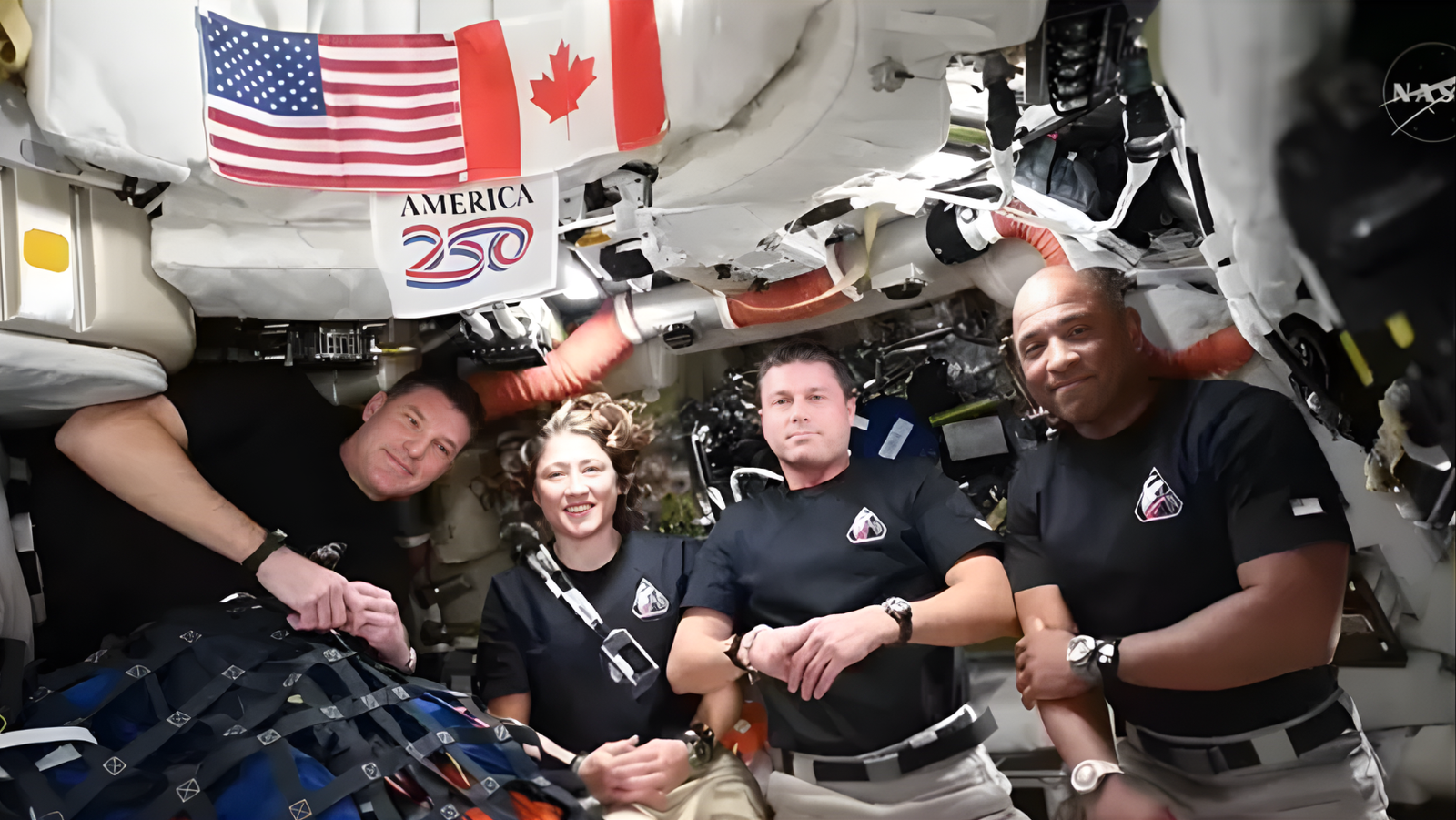
Artemis II Crew Head for Home After Space Record as NASA Mission Breaks Distance Milestone
NASA’s Artemis II mission has set a historic milestone as its crew begins the journey back to Earth after traveling farther from our planet than any humans in history. The mission, part of NASA’s Artemis program, is a critical step toward returning astronauts to the Moon and preparing for deep space exploration.
The crew, composed of highly trained astronauts, conducted a series of experiments to test life-support systems, navigation, and human endurance in deep space conditions. Artemis II builds on the success of Artemis I, which verified the Orion spacecraft and the Space Launch System (SLS) during an uncrewed mission.
Historic Distance and Scientific Achievements of Artemis II
The Artemis II crew surpassed previous human spaceflight records, traveling farther than Apollo missions of the 1960s and 1970s. This record-breaking distance allowed astronauts to perform extended studies on microgravity, radiation exposure, and spacecraft performance in deep space environments.
NASA officials noted that the data collected will inform future Artemis missions, including Artemis III, which aims to land humans on the lunar surface for the first time in decades. Experiments included advanced navigation testing, radiation monitoring, and life-support system assessments.
Challenges and Experiences in Deep Space
Astronauts aboard Artemis II faced unique challenges during their historic journey. The isolation and communication delays required enhanced autonomous systems and careful coordination. Crew members also monitored their health closely to study the effects of extended exposure to deep space conditions.
Astronauts reported breathtaking views of Earth from unprecedented distances, providing both scientific data and profound insights into humanity’s place in the universe. These experiences will help NASA prepare for longer-duration missions to the Moon, Mars, and beyond.
NASA Artemis Program: A Path to Sustainable Lunar Exploration
Artemis II represents the second major step in NASA’s Artemis program, designed to establish sustainable human presence on the Moon and advance capabilities for interplanetary travel. The program combines the Orion spacecraft, SLS rocket, and innovative technologies to allow astronauts to operate safely beyond low-Earth orbit.
NASA emphasizes that Artemis II’s success demonstrates the feasibility of living and working far from Earth, paving the way for Artemis III’s lunar landing and eventual missions to Mars.
Technological Innovations Tested in Artemis II
The mission allowed NASA to test several critical technologies for deep space travel, including advanced life-support systems, radiation shielding, and autonomous navigation. These innovations will ensure astronauts’ safety during extended missions and provide valuable insights for future spacecraft design.
Engineers highlighted that Artemis II proves humans can thrive in deep space with the proper combination of training, technology, and planning, making it a major leap forward for space exploration.
Global Interest and Collaboration in Space Research
Artemis II has attracted attention from the international scientific community, inspiring cooperation between space agencies and private aerospace companies. Data collected during the mission will support ongoing research into human health, spacecraft operations, and the challenges of living far from Earth.
The mission also demonstrates the importance of international collaboration in addressing long-duration spaceflight challenges, including medical support, navigation, and communications.
Safe Return and Future Implications
As the Artemis II crew heads back to Earth, NASA is preparing a carefully managed reentry and splashdown operation to ensure a safe return. Recovery teams are stationed and ready to support the crew upon landing.
The mission sets the stage for Artemis III, which will attempt the first crewed lunar landing since 1972. Insights from Artemis II on human endurance, spacecraft reliability, and deep space systems will be vital for planning longer missions to Mars and other destinations.
NASA officials also highlighted the mission’s inspirational impact, encouraging students and young scientists worldwide to pursue careers in STEM fields and space exploration.
Public Engagement and Educational Impact
The Artemis II mission has captured public imagination, with schools, universities, and science organizations following the journey closely. NASA has shared live updates, educational content, and multimedia coverage to engage audiences worldwide.
By highlighting human achievements in space, Artemis II provides a platform for science education and fosters interest in future generations of astronauts, engineers, and researchers.
Conclusion: A Milestone for Humanity’s Journey Beyond Earth
Artemis II has established a new benchmark for human spaceflight, demonstrating the feasibility of living and working at distances far beyond previous missions. The data, experiences, and lessons learned will have long-term impacts on NASA’s Artemis program and humanity’s journey into deep space.
As the crew returns home, NASA and partners will continue analyzing mission data to ensure safer, more sustainable space operations. Artemis II reflects both technical ingenuity and humanity’s unyielding curiosity to explore the cosmos.
For more breaking news, updates on space missions, and stories about human exploration of the Moon and beyond, visit TimeofGulf to stay informed daily.