
Oman says no group claimed responsibility for attacks
Investigations continue after incidents at Salalah port
Oman says no group claimed responsibility for attacks on its territory, following recent drone strikes that targeted the Mina Petroleum facility at Salalah port. Omani authorities confirmed that they are actively investigating the sources and motives behind the attacks. While no further details or specifics of each incident were provided, officials emphasized the importance of safeguarding strategic infrastructure and ensuring the safety of port personnel.
The strikes have disrupted operations at Salalah port, one of the Gulf region’s most critical maritime hubs. The port serves as a central gateway for oil exports, container shipping, and global trade. Reports indicate that at least one worker was injured during the drone strike, highlighting the human impact of the attacks and raising questions about port security measures.
Drone strikes disrupt port operations and international trade
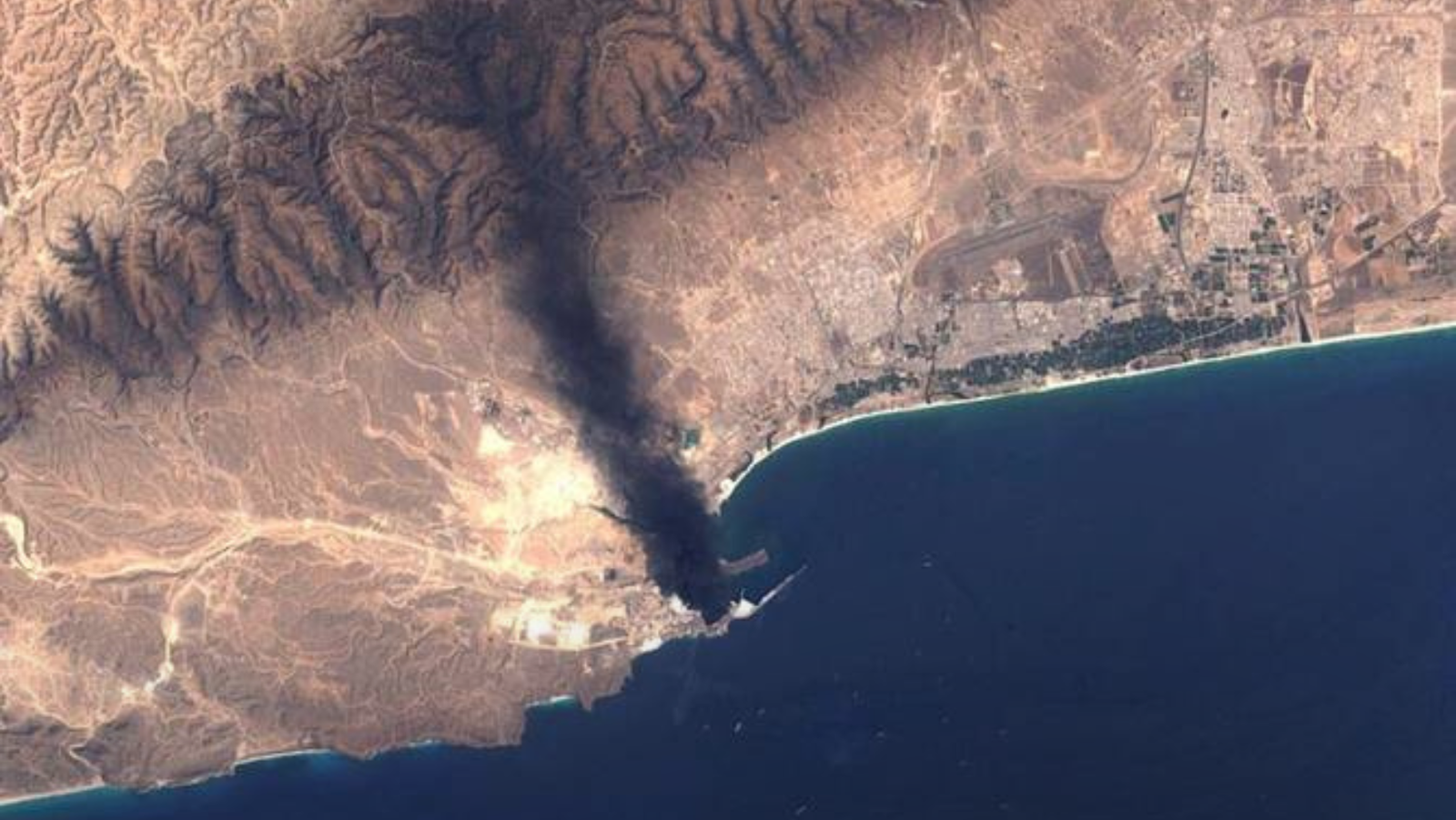
On March 16, 2026, drones struck oil storage and container facilities at Salalah port, sending plumes of thick smoke into the sky. Satellite imagery released by the US Geological Survey captured the extent of the damage at the Mina Petroleum facility. Following the strike, Danish shipping giant Maersk temporarily halted operations at the port to ensure the safety of employees, vessels, and cargo.
Emergency response teams were deployed immediately to control fires, provide medical aid to injured workers, and secure the affected areas. Port authorities worked closely with local law enforcement and security agencies to assess structural damage and prevent any secondary hazards. These precautionary measures allowed operations to resume gradually while maintaining strict safety protocols.
For more background on the ongoing impact, see the detailed coverage in the Drone Attack at Port of Salalah Injures Expat Worker, Disrupts Operations.
Iran’s statement and regional reactions
Iran’s Revolutionary Guards stated that they targeted a US support vessel at a significant distance from Salalah port, according to Iranian media. Officials emphasized that Omani territory was not violated and reiterated Iran’s respect for Oman’s sovereignty.
Iranian President Masoud Pezeshkian also contacted Oman’s Sultan via phone to assure that investigations would be conducted thoroughly. Analysts suggest that these communications aim to reduce tensions and clarify positions while maintaining stability in the Gulf region. Regional security experts noted that such measures are crucial for avoiding misunderstandings and preventing escalation between neighboring states.
Security concerns and historical context at Salalah port
Salalah port has been a strategic maritime hub for Oman for decades, handling oil exports, container shipments, and other commercial goods. Previous drone and missile attacks, including those on March 11, 2026, have highlighted the port’s vulnerability and the need for enhanced security measures.
Experts stress that protecting key infrastructure, including oil storage facilities and container terminals, is essential for national and regional stability. Ports like Salalah are critical not only for Oman’s domestic economy but also for international trade routes. Any disruption has the potential to impact global shipping networks, fuel markets, and supply chains.
The Omani government has increased surveillance and security presence at the port following recent incidents. Measures include stricter access controls, enhanced monitoring of drone and aerial activity, and coordination with regional maritime security forces. These steps aim to prevent further attacks and ensure safe operations for both domestic and international stakeholders.
Economic and trade implications
The recent strikes at Salalah port have highlighted the potential economic consequences of security breaches at key maritime hubs. Temporary halts in operations delay shipments of critical goods, disrupt supply chains, and increase operational costs for shipping companies. For instance, Maersk’s suspension of port activities caused delays in container handling and rerouting of cargo, affecting both regional and international trade.
Analysts warn that repeated attacks on strategic ports could result in increased shipping insurance premiums, heightened logistical challenges, and reduced investor confidence in maritime trade infrastructure. Oman relies heavily on Salalah port as a gateway for energy exports and global shipping, making its security a priority for both the national economy and international stakeholders.
Humanitarian and worker safety considerations
The attacks underscore the human cost of regional security incidents. The injury of a port worker during the drone strike highlights the risks faced by personnel operating in high-value maritime hubs. Emergency response teams provided immediate medical assistance, evacuated affected areas, and secured the port to prevent further casualties.
Authorities have advised port personnel and nearby residents to follow safety guidelines until full damage assessments are completed. Analysts and security experts stress that ensuring human safety is as important as protecting strategic infrastructure, as both are critical to maintaining operational continuity and economic stability.
Diplomatic perspective and regional cooperation
In addition to security measures, diplomatic engagement plays a crucial role in managing tensions and preventing further escalation. Omani authorities have emphasized the need for regional dialogue and cooperation to ensure that maritime infrastructure remains protected.
The communication between Iranian President Masoud Pezeshkian and Oman’s Sultan demonstrates the importance of high-level diplomatic channels in resolving disputes and clarifying misunderstandings. Security analysts note that proactive diplomatic efforts are vital to maintaining stability, preventing unintended conflict, and protecting both human lives and trade interests.
Environmental and strategic considerations
Drone strikes on oil storage facilities also pose environmental risks. Fires and fuel spills can have long-lasting effects on marine life, port ecosystems, and surrounding communities. Authorities are conducting environmental assessments to evaluate potential contamination and implement mitigation measures where needed.
Strategically, Salalah port’s location near major shipping lanes, including routes connecting the Gulf to international markets, makes it a significant asset for Oman. Protecting the port ensures that trade flows remain uninterrupted and reduces the risk of regional economic disruptions.
Conclusion
Oman says no group claimed responsibility for attacks on Salalah port, leaving authorities to investigate the motives and sources behind the drone strikes. While port operations have been temporarily affected, measures are being taken to restore safety, secure infrastructure, and maintain trade continuity.
The incidents highlight the strategic importance of Salalah port, the potential human and economic impact of drone attacks, and the necessity of enhanced security protocols and regional cooperation. For ongoing updates, see the detailed report on the Drone Attack at Port of Salalah Injures Expat Worker, Disrupts Operations.