

Trump allows Russian oil tanker to Cuba
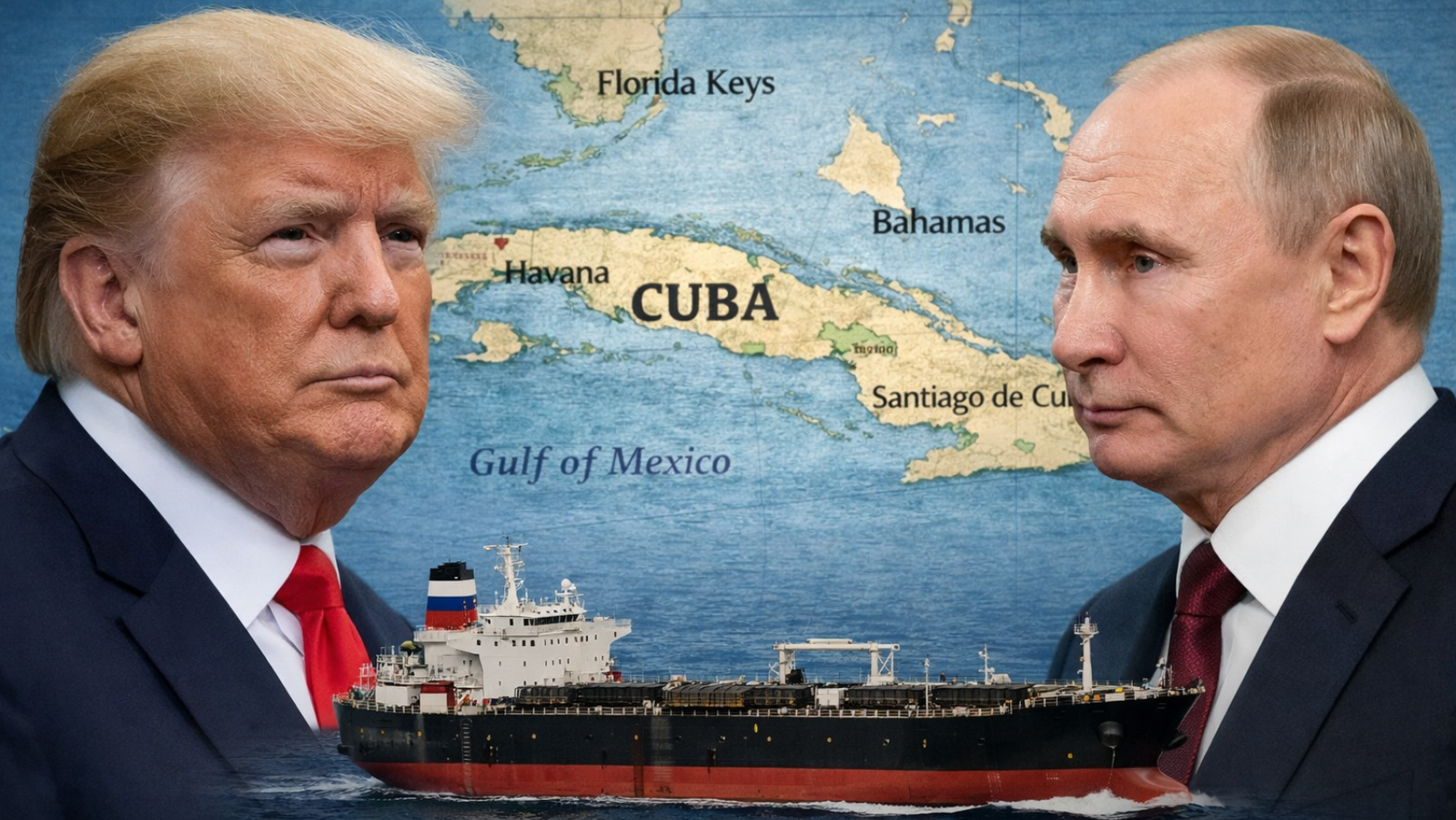
Trump allows Russian oil tanker to Cuba amid 2026 energy crisis
In a significant development amid the Cuba energy crisis 2026, former U.S. President Donald Trump has authorized a Russian oil tanker to deliver crude oil to Cuba, marking a rare easing of U.S. sanctions aimed at restricting the island’s fuel supply. The sanctioned tanker, carrying hundreds of thousands of barrels, is scheduled to dock at the Matanzas port, one of Cuba’s primary refueling and logistics hubs. This move comes as Cuba faces severe fuel shortages, nationwide blackouts, and critical disruptions to daily life. Analysts suggest that allowing this shipment reflects a pragmatic decision to avoid worsening humanitarian consequences while navigating complex US-Russia geopolitical tensions in the Caribbean.
The Cuban energy sector has struggled for months due to a combination of sanctions, disrupted Venezuelan oil shipments, and logistical bottlenecks. With electricity rationed and transportation networks paralyzed, residents have faced long lines for gasoline, diesel, and public services. The Russian oil delivery represents a temporary lifeline, but experts warn that it is unlikely to solve the structural challenges threatening Cuba’s energy security.
US sanctions on Cuba oil supply and the crisis impact
The energy crisis in Cuba has been aggravated by tight US sanctions on Cuba oil supply, which restrict imports from major suppliers. Historically, Cuba relied heavily on Venezuelan oil under long-term agreements. However, intensified sanctions have blocked much of this supply. The halt in Venezuelan shipments, combined with Mexican oil export restrictions, has caused severe disruptions in Cuba’s fuel availability.
These sanctions have led to widespread power outages, particularly in urban areas like Havana and Santiago de Cuba. Hospitals, public transport, and industrial sectors have been severely affected, demonstrating the deep reach of the Cuba blackout crisis fuel shortage. Citizens have also experienced interruptions in basic services such as water supply and waste management, highlighting the broader socio-economic impact of energy scarcity.
Russian oil shipment to Caribbean eases Cuban fuel shortages
The Russian-flagged tanker carrying approximately 700,000 barrels of crude oil is a critical development for Cuba’s energy sector. Docking at the Matanzas port, the tanker will provide raw crude for refining into diesel, gasoline, and other essential fuels. Analysts note that although this shipment will provide short-term relief, the refinery process and distribution will take weeks before significantly impacting the national fuel supply.
This Russian oil shipment also represents a test of U.S. foreign policy in the region. By allowing the delivery, Trump’s administration appears to balance humanitarian considerations with geopolitical strategy, signaling that energy relief can proceed even under an otherwise strict sanctions regime.
Venezuela oil supply Cuba crisis: historical and ongoing challenges
Cuba’s dependence on Venezuela for oil has been a central factor in the ongoing crisis. Venezuelan production has been declining for years due to economic and political instability. As a result, Cuba’s access to consistent fuel imports has become increasingly fragile. The Russian shipment is expected to supplement the diminished Venezuelan supply, but analysts caution that long-term stability will require a diversified approach to energy sourcing, including potential partnerships beyond Russia and Venezuela.
The combination of limited supply options and growing domestic demand means that Cuba may continue to face fuel shortages, even with the current Russian shipment. Transportation, agriculture, and industrial sectors will remain vulnerable, emphasizing the structural nature of the Cuban fuel shortage impact.
Matanzas port oil shipment: logistics and implications
The Matanzas port oil shipment is a critical lifeline, as this port houses Cuba’s main storage and refining infrastructure. The arrival of the tanker will allow crude oil to be processed into usable fuels, but capacity limits and aging equipment may slow distribution across the island. Analysts estimate that even with the full cargo offloaded, the supply will cover Cuba’s energy needs for only a limited period, perhaps a few weeks, highlighting the urgency of comprehensive energy reforms.
The port’s operational efficiency will directly influence how quickly fuel reaches households, hospitals, and public services. Any delays in unloading or refining could prolong the nationwide Cuba blackout crisis fuel shortage, compounding the humanitarian consequences.
Trump foreign policy Cuba and US-Russia tensions
This decision is also significant in the context of Trump foreign policy Cuba and ongoing US-Russia geopolitical tensions Cuba. Allowing a Russian oil shipment challenges the rigid sanctions approach, raising questions about strategic priorities in the Caribbean. While the move provides immediate relief to Cuban citizens, it also signals potential friction in U.S.-Russia relations as Moscow demonstrates its willingness to bypass sanctions for geopolitical leverage.
The broader geopolitical context includes ongoing conflicts in Eastern Europe and strained relations in the Middle East. These global tensions have a direct impact on regional energy dynamics, as Cuba’s dependence on foreign oil imports makes it sensitive to diplomatic decisions in Washington, Moscow, and Caracas.
Cuban fuel shortage impact and social consequences
The Cuban fuel shortage impact is visible across multiple sectors. Public transportation has slowed or halted in major cities, while hospitals rely on backup generators that may not have sufficient diesel to operate continuously. Industrial production has decreased, and tourism — a critical revenue source — has been affected by flight cancellations and transport disruptions.
Daily life for ordinary Cubans has also been significantly impacted. Citizens face long waits for fuel, rolling blackouts that affect home energy and communications, and interruptions to basic public services. While the Russian oil shipment is expected to provide temporary relief, analysts emphasize that only a strategic overhaul of Cuba’s energy supply chain and infrastructure can ensure long-term stability.
Outlook: balancing relief and long-term solutions
The authorization of the Russian oil tanker represents a temporary solution to a persistent crisis. Cuban authorities are likely to prioritize distribution to critical sectors such as healthcare, transportation, and essential services. However, energy experts warn that without diversification of imports, improved refinery capacity, and investment in renewable energy, Cuba may continue to face recurring fuel shortages.
The coming months will test the effectiveness of this short-term relief and the ability of Cuban authorities to manage resources efficiently. International diplomatic engagement, including potential negotiations with Venezuela and other energy partners, will play a key role in stabilizing Cuba’s energy supply.
As the tanker approaches Matanzas, the Cuban population remains cautiously hopeful that this delivery will mitigate blackouts and supply disruptions. However, the crisis highlights the deep vulnerabilities in Cuba’s energy infrastructure and the complex interplay of international sanctions, geopolitical strategy, and domestic needs in the Caribbean.
For the latest updates and breaking news on Cuba’s energy crisis, visit our website Time of Gulf

I’d must test with you here. Which is not something I normally do! I get pleasure from reading a post that may make people think. Additionally, thanks for permitting me to comment!