

German Chancellor Merz Visits China Over Trade Gap
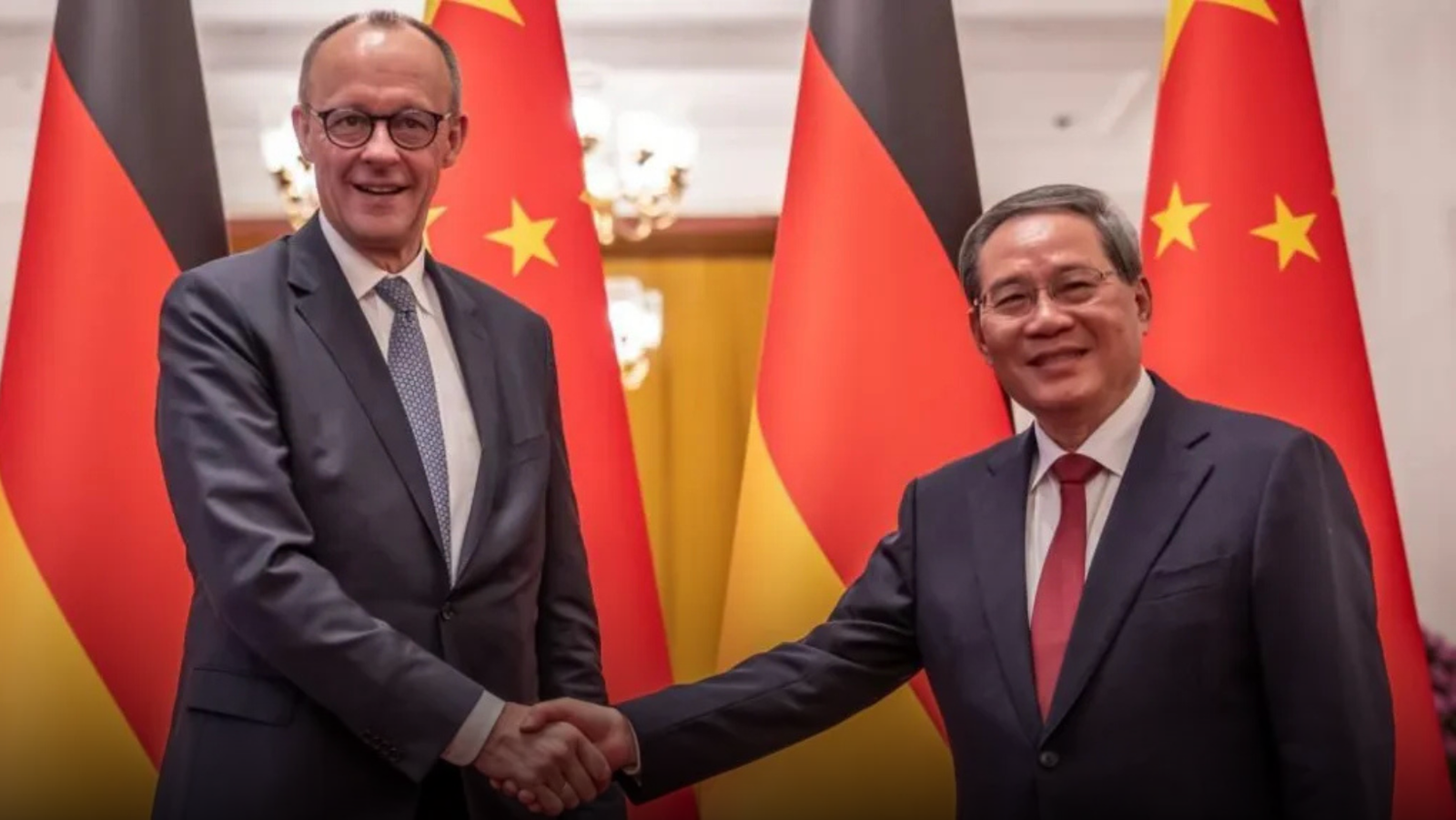
Chancellor Friedrich Merz addresses trade imbalance and geopolitical issues amid European economic concerns
Beijing, China: German Chancellor Friedrich Merz arrived in Beijing on Tuesday for his first official visit to China, bringing with him a substantial business delegation. The visit comes amid growing concerns over Germany’s widening trade imbalance with China and the country’s influence on the ongoing conflict in Ukraine.
Germany’s imports from China in 2025 were more than double the value of goods exported, reflecting a trade deficit that poses challenges for Europe’s largest economy. The imbalance has particularly affected key industrial sectors, including automotive manufacturing, machinery, and chemicals, intensifying calls for fair trade practices.
Trade Imbalance and Economic Concerns
Before his departure, Chancellor Merz emphasized the importance of a balanced and fair partnership with China. “We want a partnership with China that is balanced, reliable, regulated, and fair,” he said, signaling his intent to press Beijing on both trade and geopolitical issues.
China surpassed the United States as Germany’s largest trade partner last year, with imports from China totaling €170.6 billion, an 8.8% increase from 2024. Meanwhile, German exports to China fell 9.7% to €81.3 billion. Analysts point to structural factors such as Chinese subsidies, state-supported industries, and a managed currency system as key drivers of the growing trade gap.
The trade deficit has been described by experts as the latest “China shock” in Europe. Combined with the economic fallout from the pandemic and rising production costs due to Russia’s invasion of Ukraine, Germany faces mounting pressure to protect its industrial base while maintaining strategic economic ties with China.
Business Delegation and Industry Priorities
Merz’s delegation includes leaders from Germany’s major industrial sectors. Business groups have urged him to address distortions in competition and ensure export access to critical materials such as rare earths, essential for automotive and electronics manufacturing.
The Federation of German Industries and the German Engineering Federation emphasized the need for fair competitive conditions. Both organizations suggested that protective measures or policy adjustments could be necessary if Germany’s industrial sectors continue to face unfair disadvantages in the Chinese market.
Geopolitical and Strategic Considerations
The Chancellor’s visit is not solely focused on trade. Germany aims to engage China diplomatically to influence Moscow’s approach to the ongoing war in Ukraine. Merz reiterated the need for China to play a constructive role in facilitating peace talks and supporting stability in the region.
Europe’s broader economic strategy involves balancing engagement with China while reducing dependency risks. Berlin has launched anti-dumping cases and is exploring domestic production initiatives to mitigate vulnerabilities in critical sectors. Merz stressed that while managing risks is essential, decoupling from China entirely would be strategically unwise. “It would be a mistake for us to seek to decouple ourselves from China,” he said, highlighting Germany’s cautious approach to maintaining economic and diplomatic ties.
Industrial Impact and Sectoral Challenges
Germany’s automotive sector faces intense competition from Chinese manufacturers, who benefit from state support and cost advantages. Machinery and chemical industries are also navigating pricing pressures and market imbalances. Analysts warn that if trade distortions persist, Germany’s long-term competitiveness in high-value industrial sectors could be threatened.
Merz’s visit signals Berlin’s commitment to protecting its industrial base through dialogue, diplomacy, and regulatory measures while avoiding confrontational approaches that could jeopardize economic relations.
Policy and Diplomacy
Germany’s approach combines economic diplomacy with strategic oversight. Chancellor Merz aims to ensure fair trading conditions while maintaining stable supply chains and access to essential raw materials. The trip reflects a broader European effort to engage China responsibly, balancing economic interests with geopolitical realities.
Officials in Germany also stress the importance of fostering mutual trust and dialogue. Engaging with Beijing on both trade and global security issues is considered crucial for Europe’s economic stability and strategic influence in Asia.
Domestic Reactions
Business leaders in Germany have welcomed Merz’s visit, noting that the focus on trade imbalances and supply chain security is critical for industrial sustainability. Lawmakers from both the ruling coalition and opposition parties have called for measured engagement, emphasizing that Germany must assert its interests without provoking unnecessary tension with China.
Economic experts argue that Germany’s handling of the trade gap with China will set a precedent for the EU’s broader relations with Beijing. Transparent communication, robust industrial policy, and strategic diplomacy are expected to be central to achieving fair trade outcomes.
Expected Outcomes
Observers anticipate that Chancellor Merz will push for clear agreements on industrial collaboration, access to rare earths, and measures to address subsidies and market distortions. Additionally, discussions on China’s influence over the Ukraine conflict could provide leverage for diplomatic solutions, reflecting Germany’s dual focus on economic and geopolitical priorities.
Germany’s cautious yet proactive stance demonstrates its intent to secure economic resilience while playing a constructive role in global security matters. The trip underscores the intersection of trade, diplomacy, and strategic policymaking in shaping the country’s position on the world stage.
Conclusion
In conclusion, German Chancellor Merz visits China over trade gap, highlighting the dual challenge of addressing economic imbalances and geopolitical concerns. The widening trade deficit with China underscores the need for fair competition, strategic diplomacy, and industrial resilience.
The Chancellor’s visit reflects Germany’s commitment to protecting its industrial sectors, engaging with China constructively, and mitigating risks associated with global supply chains. While trade negotiations and diplomatic talks are complex, Berlin aims to maintain a balanced and sustainable partnership with Beijing.
As the delegation meets with Chinese officials, industries and policymakers alike will monitor developments closely, looking for outcomes that strengthen Germany’s economic position while promoting stability and cooperation in international affairs.
For more updates on global trade and economic diplomacy, visit Time of Gulf for full coverage.