G7 Demands End to Attacks on Civilians in Iran War
Global Leaders Call for Immediate Protection of Civilians
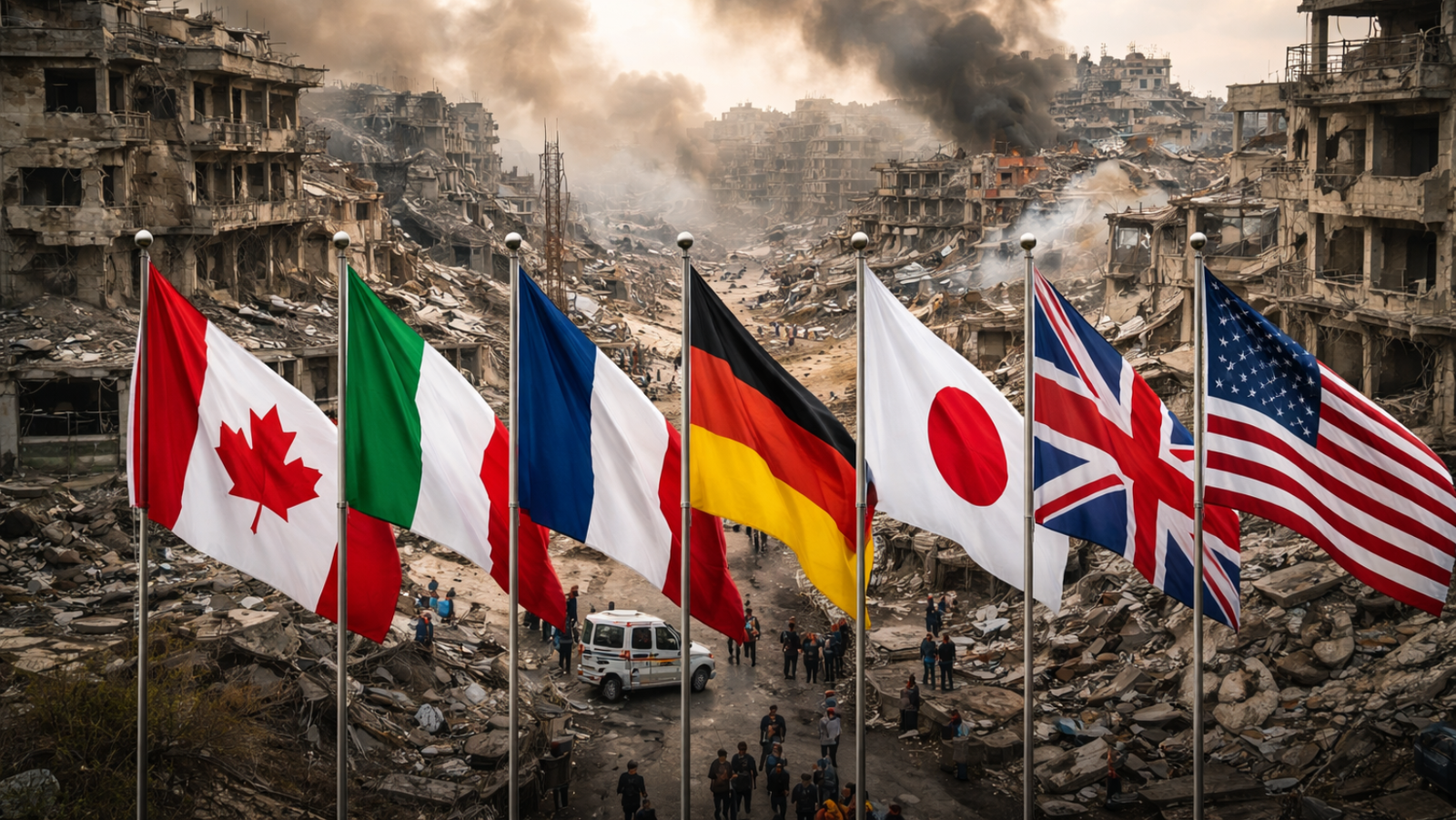
Foreign ministers from the Group of Seven (G7) nations have issued a strong call for an immediate end to attacks on civilians and critical infrastructure amid the ongoing Iran war. The appeal came during a high-level meeting in France, where officials discussed the growing humanitarian and economic impact of the conflict on the wider region and beyond.
In a joint statement released after their discussions, the ministers emphasized that the safety of civilian populations must remain a priority. They warned that continued strikes on non-military targets could deepen the humanitarian crisis and create long-term instability across affected regions.
G7 Foreign Ministers Stress Humanitarian Responsibility
The G7, which includes the United States, the United Kingdom, Canada, France, Germany, Italy, Japan, and the European Union, highlighted the importance of respecting international humanitarian law. Officials urged all parties involved in the conflict to avoid targeting civilian areas and essential infrastructure.
The ministers pointed out that attacks on residential zones, energy facilities, and transportation systems not only endanger lives but also disrupt essential services that millions of people rely on daily. They stressed that protecting civilians is a fundamental responsibility during any armed conflict.
The joint statement reflected a shared concern among global powers about the rising toll on civilian populations and the urgent need for restraint.
Impact on Regional Stability and Global Economy
Beyond the immediate humanitarian concerns, the G7 ministers expressed alarm over the broader implications of the conflict. They noted that the ongoing hostilities are affecting regional partners and contributing to instability in neighboring countries.
The conflict has also begun to disrupt global supply chains, particularly in sectors such as energy, fertilizers, and commercial goods. These disruptions can have far-reaching effects on international markets, potentially leading to increased costs and economic uncertainty.
Leaders emphasized that coordinated international efforts are necessary to manage these challenges and minimize the economic fallout. They called for stronger cooperation between nations to address both immediate and long-term impacts.
Civilian Infrastructure Remains at Risk
One of the central concerns raised by the G7 was the increasing number of attacks on civilian infrastructure. Facilities such as power plants, water systems, and transportation networks are essential for maintaining daily life, especially during times of crisis.
Damage to these systems can create severe consequences, including power outages, limited access to clean water, and disruptions in healthcare services. The ministers warned that targeting such infrastructure not only worsens humanitarian conditions but also slows recovery efforts.
Recent incidents involving strikes on energy-related facilities have highlighted the vulnerability of these critical systems. The G7 called for urgent measures to protect infrastructure and ensure that basic services remain operational.
Strait of Hormuz and Maritime Security Concerns
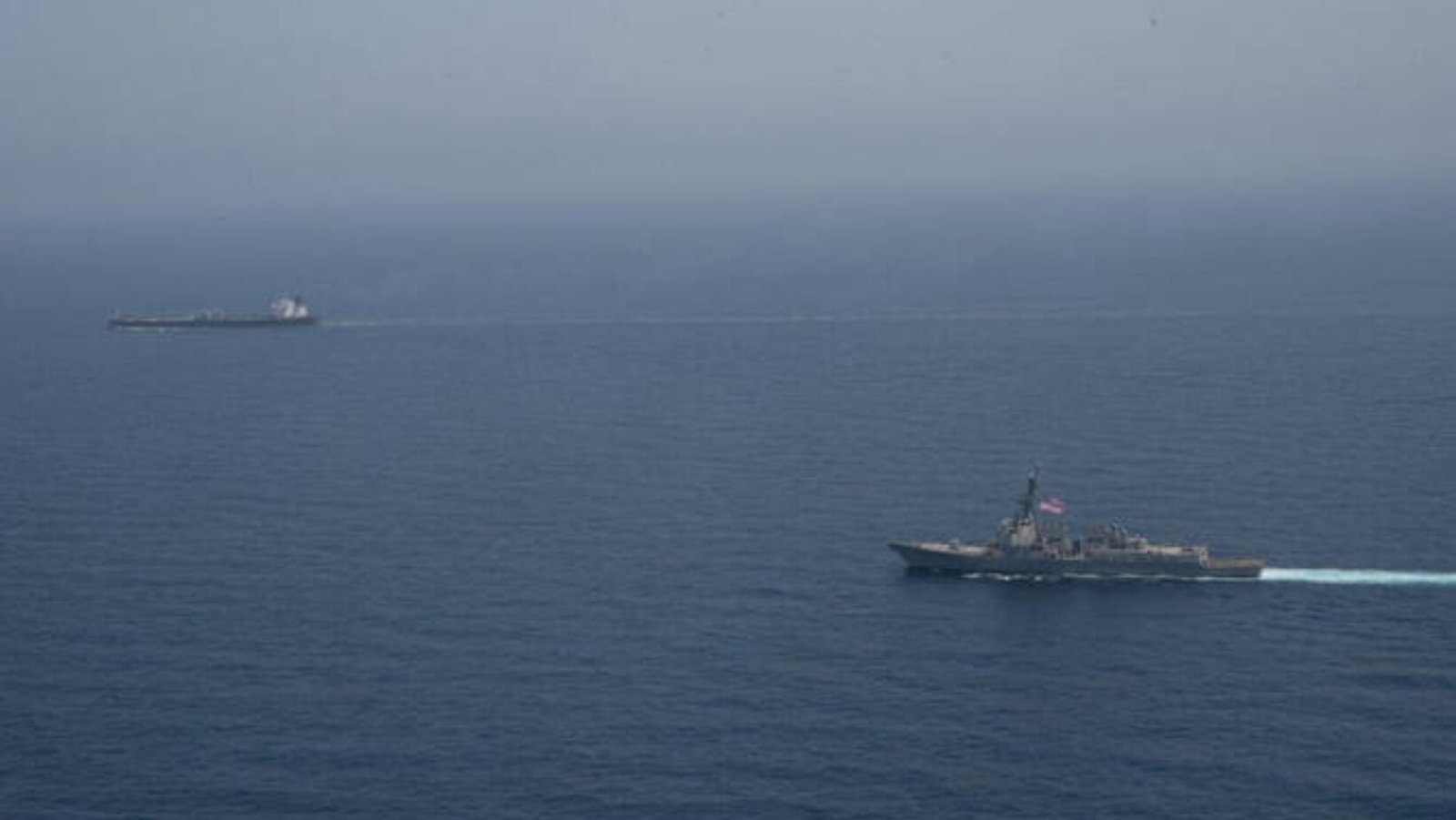
The G7 also addressed the importance of maintaining stability in key maritime routes, particularly the Strait of Hormuz. This strategic waterway plays a crucial role in global energy transportation, with a significant portion of the world’s oil supply passing through it.
Ministers stressed the need to ensure safe and unrestricted navigation in the area, warning that any disruption could have serious consequences for global energy markets. They called for efforts to maintain freedom of navigation without additional risks or costs.
The security of maritime routes remains a critical factor in maintaining economic stability and preventing further escalation of tensions in the region.
Call for Diplomatic Engagement and Cooperation
In addition to their warnings, the G7 ministers emphasized the importance of diplomacy in resolving the conflict. They called on all parties to engage in dialogue and seek peaceful solutions to reduce tensions.
The statement highlighted the value of international cooperation in addressing complex geopolitical challenges. Leaders stressed that working together is essential to prevent further escalation and to protect both regional and global stability.
They also reaffirmed their commitment to supporting initiatives aimed at reducing the humanitarian impact of the conflict and promoting long-term peace.
Rising Pressure for De-escalation
As the conflict continues, international pressure is mounting for a reduction in hostilities. The G7’s statement reflects growing concern among global powers about the potential consequences of prolonged fighting.
Experts warn that without immediate action, the situation could worsen, leading to increased displacement, economic instability, and greater risks of regional escalation. The ministers urged all sides to act responsibly and avoid actions that could intensify the conflict.
Their message underscores the urgency of finding a balanced approach that prioritizes both security and humanitarian needs.
Global Response and Future Outlook
The G7’s call for an end to attacks on civilians highlights the increasing role of international organizations in addressing global conflicts. By issuing a unified statement, the group aims to influence decision-making and encourage responsible behavior among parties involved.
While the situation remains complex, the emphasis on protecting civilians and maintaining stability provides a framework for future actions. Continued monitoring and diplomatic engagement will be essential in navigating the challenges ahead.
The coming weeks are likely to play a crucial role in determining whether efforts to reduce tensions will succeed or if the conflict will continue to escalate.
Conclusion
The G7 demands end to attacks on civilians in Iran war marks a significant moment in the international response to the conflict. By prioritizing the protection of civilians, safeguarding infrastructure, and ensuring maritime security, global leaders are sending a clear message about the importance of restraint and responsibility.
As the situation develops, cooperation between nations and commitment to diplomatic solutions will remain key to preventing further escalation. The focus now shifts to how effectively these calls for action translate into meaningful change on the ground.
Read more about the ongoing Middle East tensions in our detailed coverage of Iran conflict latest developments