Philippines France Military Cooperation Pact 2026 Strengthens Defense Ties
Manila and Paris Sign Landmark Defense Agreement
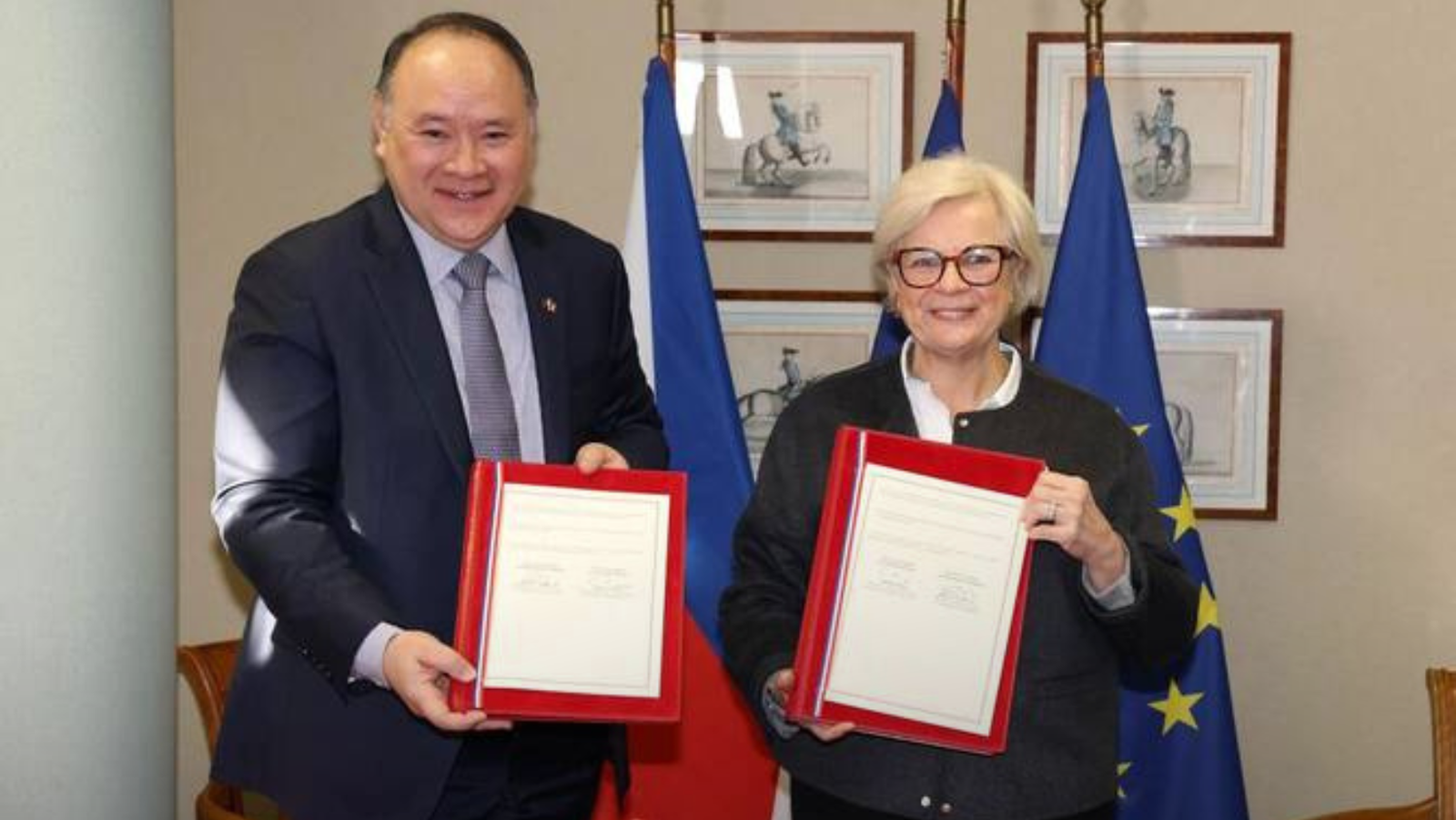
The Philippines and France have taken a significant step toward strengthening bilateral defense relations by signing a new military cooperation agreement that allows troops from both countries to conduct joint exercises on each other’s territory. The agreement marks a major development in Manila’s efforts to expand its global defense partnerships, particularly in response to growing tensions in the South China Sea.
Officials confirmed that the deal, known as a Status of Visiting Forces Agreement (SOVFA), was signed in Paris following high-level talks between defense representatives from both nations. This is the first time the Philippines has entered into such a military arrangement with a European country, reflecting its broader strategy to diversify defense alliances beyond traditional partners.
South China Sea Tensions Influence Strategic Decisions
The Philippines has been actively strengthening its defense posture amid ongoing tensions with China in the South China Sea. The disputed waterway remains a critical flashpoint in the region, with overlapping territorial claims and frequent encounters between vessels.
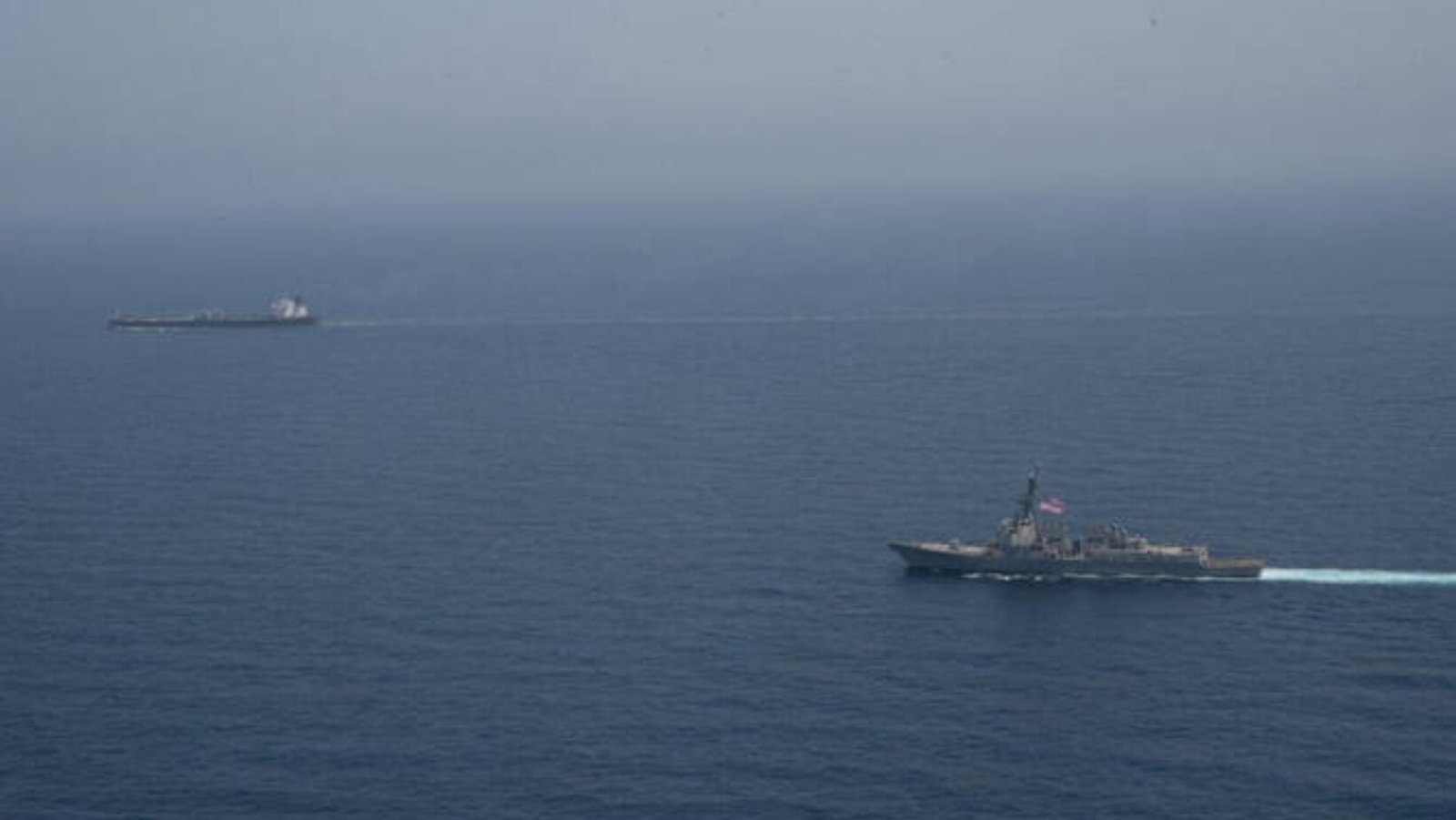
Manila has consistently expressed concerns over what it describes as increasingly assertive actions by Chinese forces in contested areas. Recent incidents involving close-range maneuvers between naval ships have heightened fears of potential escalation.
By expanding military cooperation with countries like France, the Philippines aims to enhance its defensive capabilities and ensure better preparedness in protecting its maritime interests. Analysts believe these partnerships also send a strong signal about Manila’s commitment to safeguarding its sovereignty.
Visiting Forces Agreement (SOVFA) Expands Cooperation
The newly signed Visiting Forces Agreement provides a legal framework that enables both countries’ armed forces to operate within each other’s territory under agreed conditions. This includes participation in joint military drills, training programs, and other defense-related activities.
Philippine defense officials stated that the agreement will facilitate a broader range of cooperative initiatives between the two nations. It is expected to improve interoperability between forces and create opportunities for knowledge sharing in areas such as logistics, maritime security, and disaster response.
While the agreement has been signed, it will still require ratification by legislative bodies in both countries before it becomes fully operational. Once implemented, it could pave the way for more regular and structured military engagements.
Philippine Defense Strategy and Global Partnerships
The Philippines has actively pursued similar agreements with other countries in recent years, including Japan, Canada, and New Zealand. These partnerships are part of a wider defense strategy aimed at building a network of allies to strengthen national security.
By engaging multiple international partners, Manila seeks to reduce reliance on any single country while increasing its strategic flexibility. This approach also reflects the changing dynamics of global security, where regional cooperation plays a crucial role in maintaining stability.
France’s involvement adds a European dimension to the Philippines’ defense network, highlighting the growing importance of Indo-Pacific security issues on the global stage.
China Philippines Maritime Dispute Remains Central Issue
At the heart of these developments is the ongoing maritime dispute between China and the Philippines. The South China Sea is a vital trade route and resource-rich region, making it strategically important for multiple countries.
China claims a large portion of the sea, despite an international ruling that rejected its expansive claims. The Philippines continues to assert its rights based on international law and has sought support from allies to strengthen its position.
Recent encounters between naval vessels have raised concerns about safety and the risk of unintended incidents. Philippine officials have described some of these actions as dangerous and provocative, emphasizing the need for caution and adherence to maritime rules.
Balikatan Military Exercises and Joint Training
France has already shown interest in participating in regional defense activities involving the Philippines. French naval forces have previously joined exercises alongside Philippine and US troops, including operations in the South China Sea.
Additionally, French personnel have observed the annual Balikatan exercises, one of the largest joint military drills conducted by the Philippines and the United States. These exercises focus on enhancing coordination, combat readiness, and disaster response capabilities.
The new agreement is expected to expand France’s role in such activities, potentially leading to more frequent joint exercises and increased collaboration in various defense sectors.
Indo-Pacific Security Cooperation Gains Momentum
The Philippines France military cooperation pact 2026 reflects a broader trend of strengthening security ties across the Indo-Pacific region. Countries are increasingly working together to address shared challenges, including maritime security, disaster response, and regional stability.
France has maintained a strategic interest in the Indo-Pacific due to its overseas territories and economic connections. By partnering with the Philippines, it aims to reinforce its presence and contribute to regional security efforts.
Experts suggest that such agreements play a key role in promoting balance and cooperation in a region marked by complex geopolitical dynamics.
Incident Near Pag-asa Highlights Risks
The agreement comes shortly after a reported maritime incident near Pag-asa Island, where Philippine forces accused a Chinese vessel of executing unsafe maneuvers. According to officials, the ships came dangerously close, raising concerns about potential collisions.
Video footage released by the Philippine military showed the vessels operating at a distance of less than 10 meters. Defense officials described the actions as unprofessional and emphasized the importance of maintaining safe navigation practices.
Such incidents underscore the urgency of strengthening defense partnerships and improving coordination among allies to manage risks effectively.
Looking Ahead: Stronger Alliances and Stability
The Philippines France military cooperation pact 2026 represents a significant step toward building stronger international alliances. As geopolitical tensions continue to evolve, such partnerships are likely to play a crucial role in maintaining regional stability.
Both countries have expressed optimism about the agreement’s potential to enhance cooperation and contribute to peace and security. The focus now shifts to ratification and implementation, which will determine how effectively the pact translates into practical outcomes.
For more updates on defense agreements and regional developments, visit our website for in-depth analysis and latest reports.