UK Rejects Somaliland Independence Backs Somalia’s Sovereignty Stance
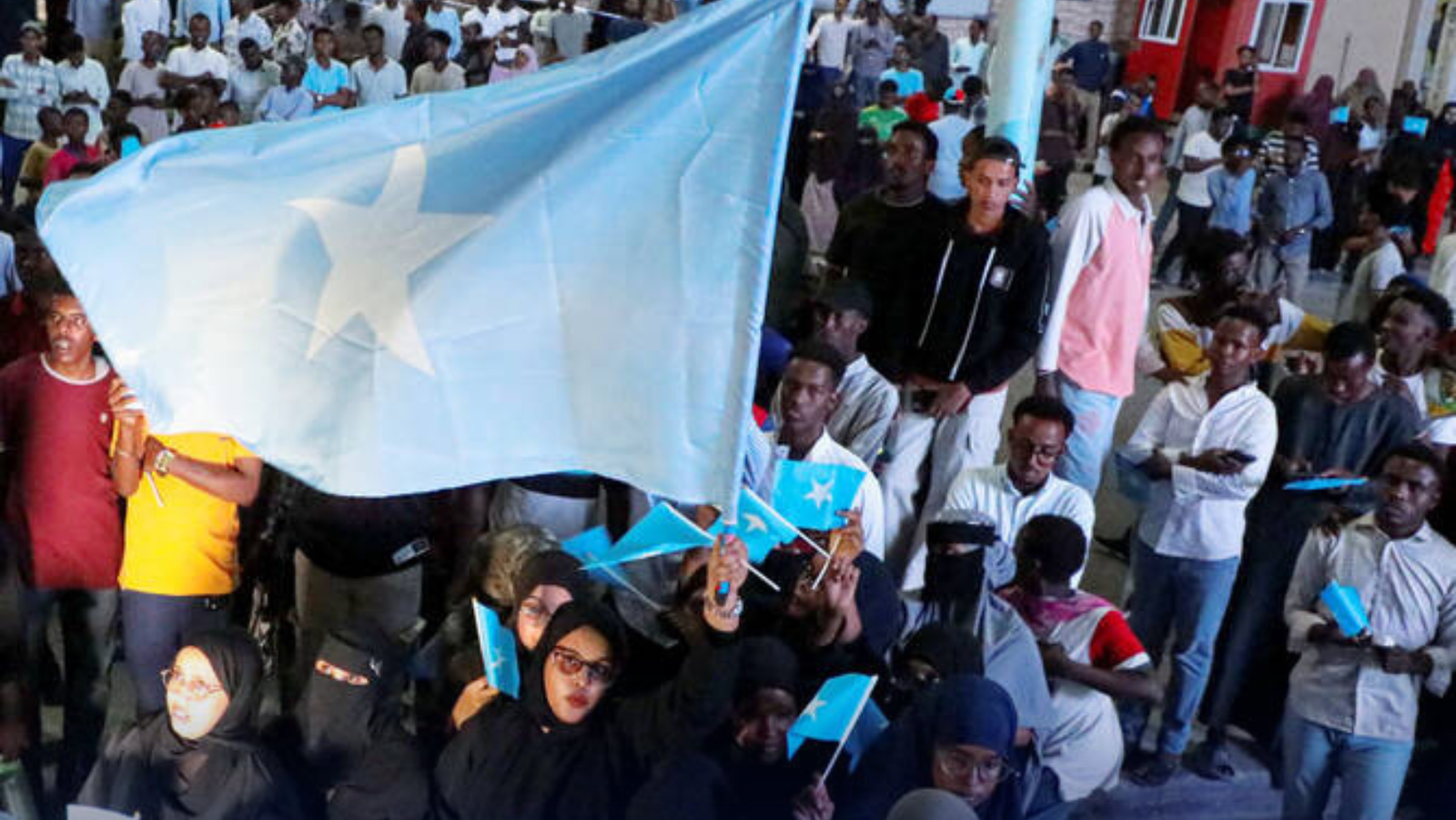
Britain Reaffirms Support for Somalia Unity as Global Attention on Somaliland Increases
The United Kingdom has restated its position that it does not recognize Somaliland as a separate nation, underlining its continued backing for the sovereignty and territorial unity of Somalia. The announcement comes amid renewed international discussions regarding Somaliland’s political future and recognition status.
British authorities emphasized that their approach remains unchanged and consistent with international frameworks. According to officials, Somaliland is still considered part of Somalia, and any decision regarding its status must come through formal diplomatic processes agreed upon by all relevant parties.
UK Position Highlights Respect for International Borders and Stability
The UK’s stance reflects its broader commitment to upholding internationally accepted borders. Officials noted that maintaining Somalia’s unity is important for ensuring long-term stability in the Horn of Africa.
London continues to work closely with Somalia’s federal institutions, offering support in areas such as governance, development, and security. By reinforcing its position, the UK aims to contribute to a stable and unified Somali state while avoiding actions that could increase regional tensions.
Somaliland’s Separate Governance Began After Somalia’s State Collapse
Somaliland announced its separation in 1991, following the breakdown of Somalia’s national leadership and governing system. Since that period, the region has managed its own political affairs, including elections, law enforcement, and administrative operations.
Over the years, Somaliland has built functioning institutions and maintained internal stability, which its leadership often presents as a basis for international recognition. However, despite these developments, it has not been widely accepted as an independent country on the global stage.
Israel’s Recognition Decision Sparks Fresh Global Reactions
The issue has recently drawn increased attention after Israel decided to officially recognize Somaliland as a sovereign state. This move has triggered discussions among policymakers and analysts about whether other countries might reconsider their positions.
While some observers see this as a significant diplomatic shift, many nations remain cautious. Experts suggest that isolated recognition is unlikely to change Somaliland’s status unless supported by broader international agreement.
Major Countries Continue to Back Somalia’s Territorial Integrity
Following Israel’s announcement, several governments reaffirmed their support for Somalia’s unity. Among them, China clearly stated that it does not recognize Somaliland as an independent entity.
This reflects a wider global position where most countries prioritize stability and consistency in international relations. Governments remain careful about endorsing unilateral independence movements due to potential global implications.
Somalia Rejects Any Move Toward Somaliland Recognition
The Somali federal government has strongly opposed any efforts to recognize Somaliland as a separate state. Officials in Mogadishu have warned that such actions could weaken national unity and create instability in the region.
Authorities continue to call on international partners to respect Somalia’s sovereignty. They emphasize that any future discussions about Somaliland should take place within a unified national framework rather than through external recognition.
Strategic Importance of the Horn of Africa Shapes Global Decisions
The Horn of Africa holds significant importance due to its location along major global shipping routes. Stability in this region is essential for international trade and security operations.
Experts highlight that decisions regarding Somaliland are influenced not only by legal considerations but also by economic and strategic interests. Countries are therefore taking a cautious approach to avoid disrupting regional balance.
Legal Challenges Complicate Somaliland’s Recognition Efforts
From a legal perspective, Somaliland presents a complex case. While it demonstrates characteristics of a functioning state, including governance and territorial control, recognition depends on acceptance by other sovereign nations.
Legal analysts point out that without widespread diplomatic support, Somaliland cannot fully integrate into international systems. This creates a situation where it operates independently but lacks official global recognition.
Potential Global Impact on Other Independence Movements
Observers believe that decisions regarding Somaliland could influence how similar cases are handled worldwide. Governments are mindful that recognizing one breakaway region could encourage others to pursue independence.
This concern plays a role in the cautious stance adopted by the UK and many other countries. Maintaining consistency in international policy is seen as essential to preventing broader geopolitical challenges.
Future Outlook for Somaliland Remains Uncertain
As global discussions continue, Somaliland’s chances of gaining widespread recognition remain unclear. While recent developments have increased attention on the issue, a major shift would likely require coordinated international support.
Diplomatic experts suggest that any long-term resolution would involve negotiations between Somaliland and Somalia, supported by global stakeholders. Until then, Somaliland is expected to continue operating with limited recognition.
For more international news and updates, visit Time of Gulf .
Conclusion: UK Reinforces Support for Somalia’s Unity and Stability
The United Kingdom’s reaffirmation of its stance highlights the ongoing international consensus in favor of Somalia’s territorial integrity. By maintaining its position, Britain continues to support stability and established legal frameworks in the region. As the debate evolves, Somaliland’s status remains a complex issue with significant regional and global implications.